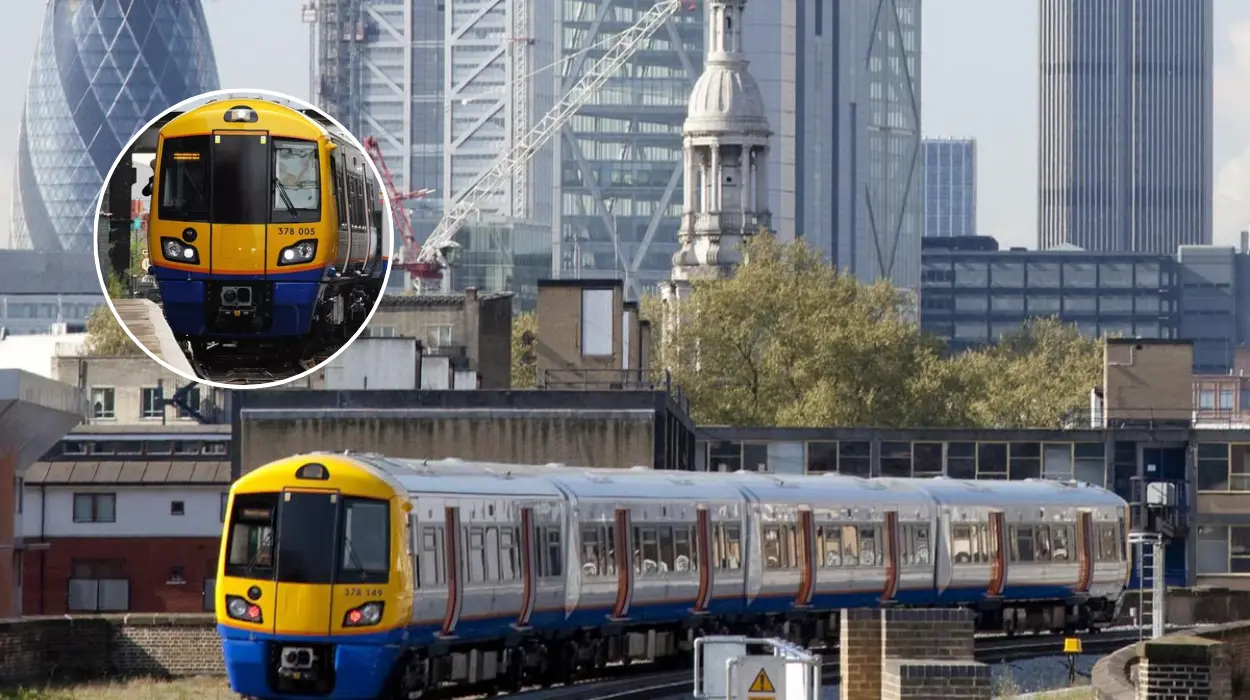
The North London Overground is a crucial part of London’s suburban rail network, operated by Transport for London (TfL). It serves as a backbone for north London’s mobility, linking residential neighborhoods with employment hubs, educational institutions, and cultural attractions through a network designed for frequent, reliable travel. Since its inception in the late 2000s, the Overground has transformed former rail corridors into a cohesive urban rail system that prioritizes user experience, accessibility, and integration with other transport modes.
Origins and evolution
The Overground emerged as part of a broader strategy to modernize suburban rail services and improve reliability by taking over and rebranding existing lines. The North London routes formed the core of this transformation, enabling better service patterns, enhanced station facilities, and a more intuitive passenger experience. The branding and operational model emphasize a customer-focused network that connects neighborhoods across North London with the wider city and region, supporting sustainable travel and urban growth. The overarching goal was to create a seamless, high-frequency rail option that reduces dependence on cars and enhances access to opportunities across the capital.
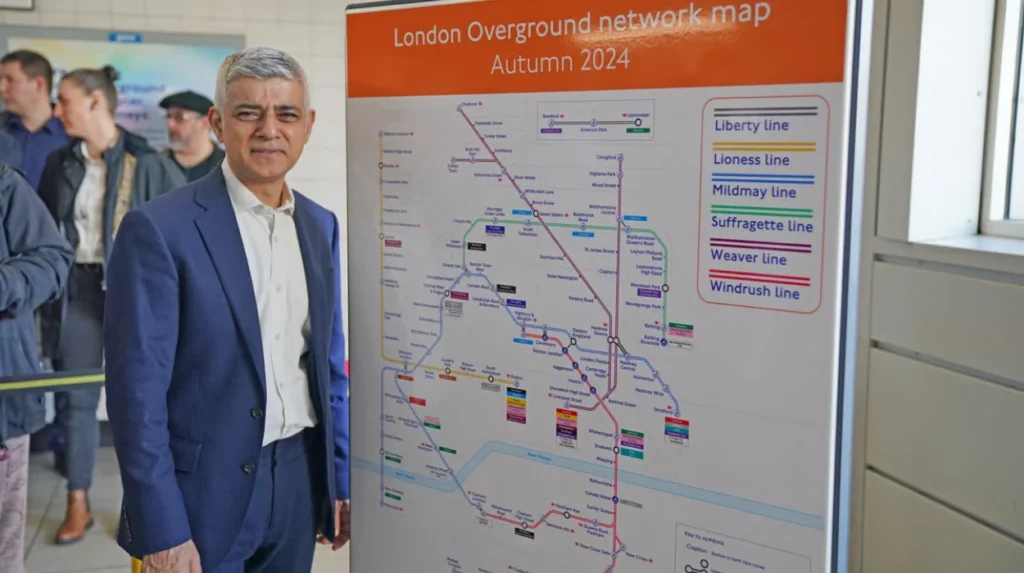
Why the North London Overground matters to residents
For everyday life, the Overground offers frequent, predictable trains that make commuting, school runs, and leisure trips easier. Its accessibility and extended reach into outer neighborhoods help shorten travel times and improve access to services, which in turn supports local economies and neighborhood vitality. The network also enhances social inclusion by connecting people to education, healthcare, and cultural venues, while reinforcing a sense of community through more convenient travel options and safer, busier stations.
Key routes, stations, and connectivity
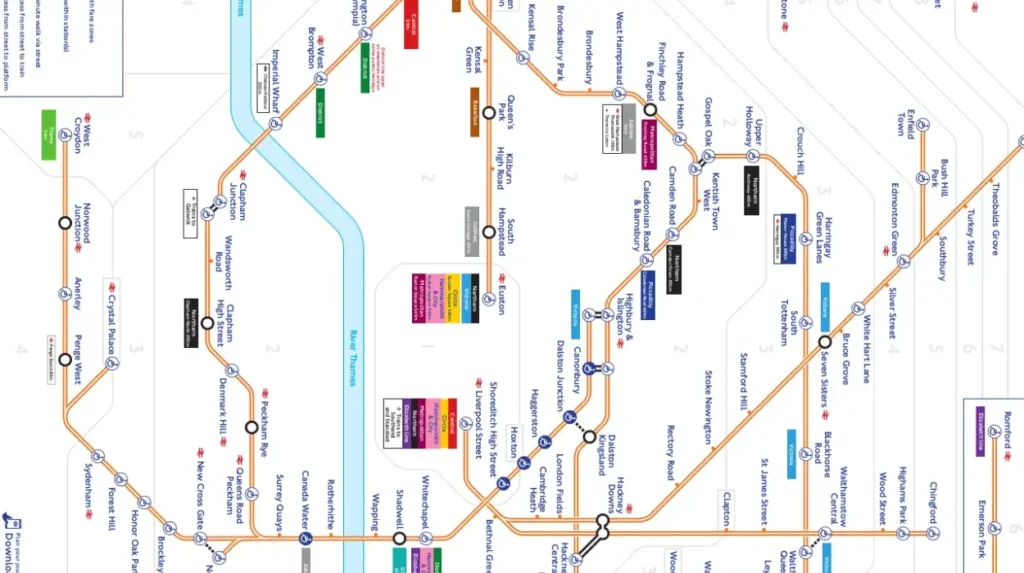
Core corridors weave through inner and outer North London, linking residential areas with town centers, hospitals, universities, and major interchange points. Notable stations and interchanges are designed to minimize transfer times and provide clear wayfinding, with facilities that prioritize comfort and accessibility. The Overground’s integration with buses, cycling routes, and walking paths creates a multimodal travel ecosystem, enabling residents to move efficiently without relying on cars. This interconnected approach supports broader urban mobility goals, including reduced congestion and improved air quality.
Timetable patterns, service quality, and rider experience
The North London Overground is designed for high-frequency service on core lines, with reliable intervals that support routine planning for work, study, and recreation. Modern rolling stock improves passenger comfort, acceleration, and overall ride quality, while accessibility features help ensure that all travelers—families, seniors, and people with mobility challenges—can use the network with confidence. Ongoing maintenance, fleet upgrades, and clear real-time information further enhance reliability and user satisfaction, making rail travel a viable option for a wide cross-section of residents.
Planning and future growth
Rail connectivity underpins housing and regeneration efforts across North London, enabling mixed-use developments and new community facilities near stations. The Overground aligns with environmental and transport strategies by offering a lower-emission travel option and supporting multimodal networks that encourage walking and cycling. As London grows, plans typically focus on capacity upgrades, reliability improvements, and potential extensions to underserved areas, ensuring the network remains resilient, inclusive, and capable of meeting evolving demands.
Practical guidance for riders
For travelers, practical tips include checking live updates for service changes, using interchange hubs to minimize walking distances, and considering off-peak travel for quieter trains. Accessible routes and station facilities should be planned in advance, with official journey planners and station staff serving as primary resources. By staying informed about maintenance works and service advisories, riders can optimize their journeys and experience smoother, more predictable travel across North London.
The North London Overground stands as a living, evolving corridor that shapes daily life, economic opportunities, and urban development across the region. Its history of transformation, strategic routes, reliable services, and thoughtful planning collectively support a more connected, sustainable North London. As new projects emerge and the network adapts to changing needs, the Overground remains a foundational element of the area’s mobility, accessibility, and community vitality.