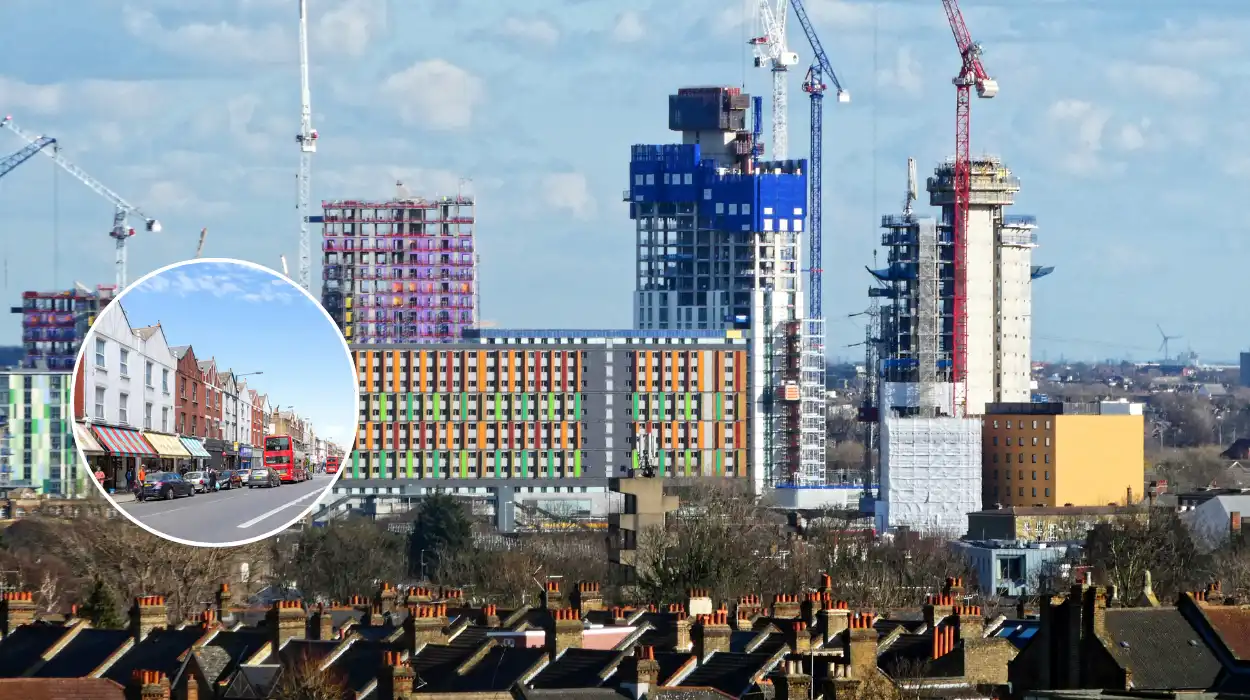
Tottenham’s name traces back to the Domesday Book of 1086, likely derived from “Tota’s hamlet,” named after an Anglo-Saxon farmer. The area evolved from rural Middlesex parish lands into an urban hub by the 19th century, with Green Lanes (once Beanes Greene, recorded in 1393) serving as a key route. Haringey, formed in 1965 by merging Tottenham, Hornsey, and Wood Green boroughs, spans diverse terrains from the River Lea to Highgate Hill, fostering a unique identity.
Development accelerated in the late 1800s. Harringay, straddling Green Lanes, grew from Haringay House estate lands in Hornsey and St John’s Farm in Tottenham between 1880-1900. By 1901, it featured three wards: North and South Harringay in Hornsey, and Harringay in Tottenham. Tottenham became an urban district in 1894 and a municipal borough in 1934 before the Haringey amalgamation.
Iconic Landmarks and Architecture
White Hart Lane, once home to Tottenham Hotspur Football Club, symbolizes the area’s sporting legacy until its 2017 relocation to the Tottenham Hotspur Stadium. The new 62,850-seat arena, with its retractable pitch, hosts NFL games and concerts, drawing global crowds. Bruce Castle, a 16th-century manor in Tottenham, now a museum, showcases Tudor history and local artifacts from its role as a manor house.
Haringey’s architecture mixes Victorian terraces with modern developments. Alexandra Palace, perched on Muswell Hill, offers panoramic views and hosts events in its restored Victorian splendor. Finsbury Park, bordering Haringey, provides green space for 2.5 million annual visitors, while Hornsey’s Art Deco town hall reflects early 20th-century civic pride.
Cultural Diversity and Communities
Haringey boasts one of London’s most multicultural populations, with over 300 languages spoken. Tottenham’s Caribbean Carnival, evolving from 1950s Notting Hill roots, celebrates Afro-Caribbean heritage annually. The area’s Turkish and Kurdish communities thrive along Green Lanes, dubbed “Little Turkey,” with eateries like Adana offering authentic kebabs.
Greek Cypriot influences shine in Wood Green’s markets, while African diaspora communities in Seven Sisters add vibrant street food scenes. Community arts flourish at the Bernie Grant Arts Centre in Tottenham, honoring the late MP’s legacy with theaters and galleries promoting Black history. This diversity fuels festivals like Haringey Fair, blending global cuisines and music.
Sports and Leisure Highlights
Tottenham Hotspur FC, founded in 1882, embodies “Spurs” passion, with 26 major trophies including two Champions League finals. The new stadium’s immersive experiences, like the Dare Skywalk, attract 2 million visitors yearly.[web::3] Lee Valley Regional Park offers cycling and watersports along the River Lea, ideal for families.
Cricket at Lord’s-influenced local clubs and athletics at the historic Harringay Arena site (demolished 1978) recall the area’s sporting heyday. Parks like Lordship Recreation Ground host free fitness classes, promoting wellness amid urban life.
Food and Drink Scene
Green Lanes buzzes with meze houses, from Ottoman-style tavernas to vegan spots reflecting Haringey’s plant-based trends. Ottoman Kebabs serves sizzling skewers, while in Tottenham, Bruce Grove’s Jerk chicken shacks nod to Caribbean flavors. Craft breweries like Beavertown Brewery (now Camden-based but Tottenham-born) highlight the area’s brewing heritage.
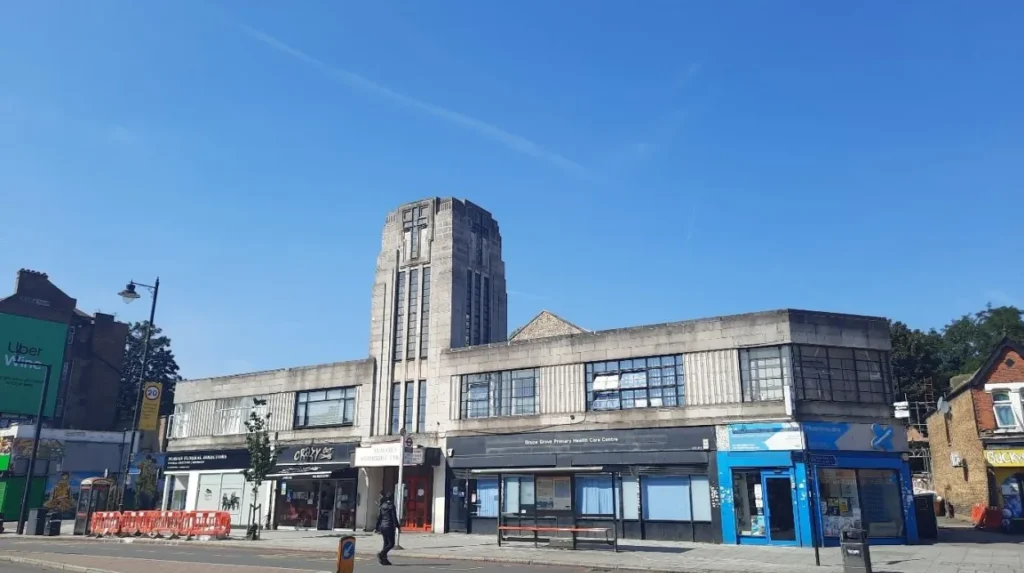
Markets like Tottenham’s Bruce Grove offer fresh produce from international stalls. High-end options include Finsbury Park’s Pizzeria O’O, pairing Neapolitan pizzas with local wines. For sweet treats, Hornsey’s artisan bakeries craft sourdough using heritage grains.
Transport and Connectivity
Haringey connects seamlessly via Overground, Tube (Victoria and Piccadilly lines), and buses. Tottenham Hale links to Stratford in 15 minutes, ideal for commuters. Cycle Superhighways along the Lea Valley encourage eco-friendly travel.
National Rail from White Hart Lane station serves Liverpool Street in 20 minutes. Upcoming improvements, like DLR extensions, promise better access, making North London a gateway to the city.
Education and Family Life
Outstanding schools like Gladesmore Community School in Tottenham rank highly for GCSEs. Haringey’s 50+ primary schools emphasize diversity, with bilingual programs in Turkish and Somali. Universities nearby, including Middlesex in Hendon, offer further education.
Family attractions abound: Ally Pally’s boating lake and deer park delight kids. Libraries like Tottenham Green host storytimes, fostering community bonds.
Property and Living Appeal
Victorian homes in Harringay fetch £600k-£1m, blending period charm with modern extensions. New builds around the stadium offer luxury apartments from £500k. Green spaces boost property values, with average Haringey prices at £550k, appealing for first-time buyers and investors.
Low crime trends in family areas like Bounds Green attract downsizers. Regeneration projects promise sustained growth.
Outdoor Spaces and Nature
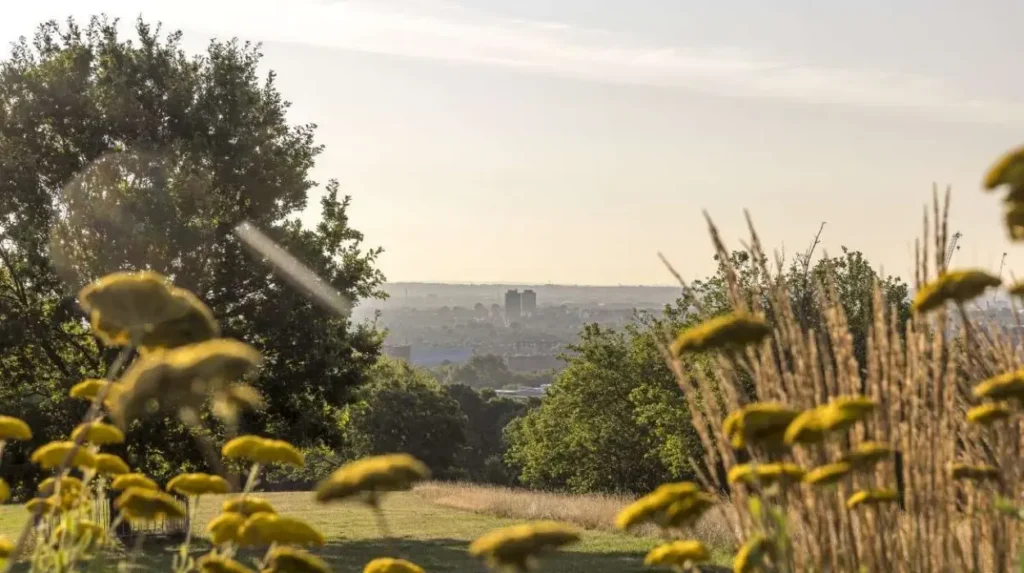
Parkland Walk, a disused railway turned nature reserve, winds 4km through Haringey, spotting foxes and owls. Clissold Park in nearby Stoke Newington influences local wildlife corridors.
Wetlands at the New River Path support biodiversity, with angling spots along the historic watercourse supplying London since 1613.
Events and Annual Highlights
Tottenham’s Pride marches celebrate LGBTQ+ vibrancy. Haringey Literature Festival spotlights authors in libraries. The Colourscape Festival at Ally Pally immerses in sensory art.
Football matches pack stadiums, while Christmas markets on Green Lanes twinkle with mulled wine stalls.
Future Prospects and Regeneration
Haringey’s £3bn Meridian Water project delivers 10,000 homes and jobs by 2040. Tottenham’s Creative Enterprise Zone fosters startups in film and tech.
Sustainability initiatives, like tree-planting drives, enhance resilience. This blend of heritage and innovation cements Tottenham and Haringey’s enduring allure.