North London’s street festivals capture the area’s vibrant spirit, blending history, culture, and community into timeless celebrations. These events transform everyday streets into lively hubs of music, food, and joy, attracting locals and visitors alike year-round.
- Storied Tradition of Celebrations
- Notting Hill Carnival Highlights
- Camden’s Eclectic Street Vibes
- Islington’s Community Gatherings
- Finsbury Park’s Multicultural Mix
- Highgate and Hampstead Charms
- Historical Evolution
- Planning Your Visit
- Safety and Etiquette Tips
- Culinary and Musical Delights
- Hosting Your Own Event
- Community Impact
- Looking Ahead
Storied Tradition of Celebrations
Street festivals in North London have deep historical roots, evolving from simple community gatherings into grand cultural events. Notting Hill Carnival stands out as the most iconic, launched in 1966 amid racial tensions after the Notting Hill race riots, organized by Rhaune Laslett as a children’s street party that incorporated Caribbean steel bands. It drew inspiration from earlier indoor events like Claudia Jones’ 1959 carnival at St Pancras Town Hall, aimed at fostering better race relations. By the 1970s, it expanded with sponsorships, reggae sound systems, and masquerade bands, bridging Trinidadian calypso and Jamaican influences, and now draws over a million attendees each August Bank Holiday weekend as Europe’s largest street festival.
Notting Hill Carnival Highlights
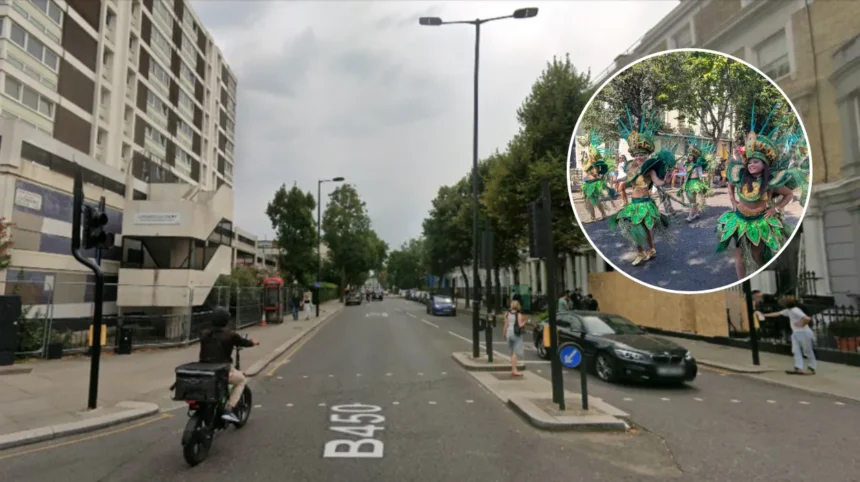
Notting Hill Carnival lights up Portobello Road and nearby streets over two days—Children’s Day on Sunday and Adults’ Day on Monday—with steelpan music, dazzling mas band costumes, and booming sound systems playing soca, calypso, and reggae. Parades feature thousands in feathered headdresses and body paint, alongside stalls serving jerk chicken, curry goat, and roti, with family-friendly zones for kids. Though early years saw tensions with police, modern tech like crowd monitoring ensures safer experiences; arrive early as streets close by 11 AM for the best views.
Camden’s Eclectic Street Vibes
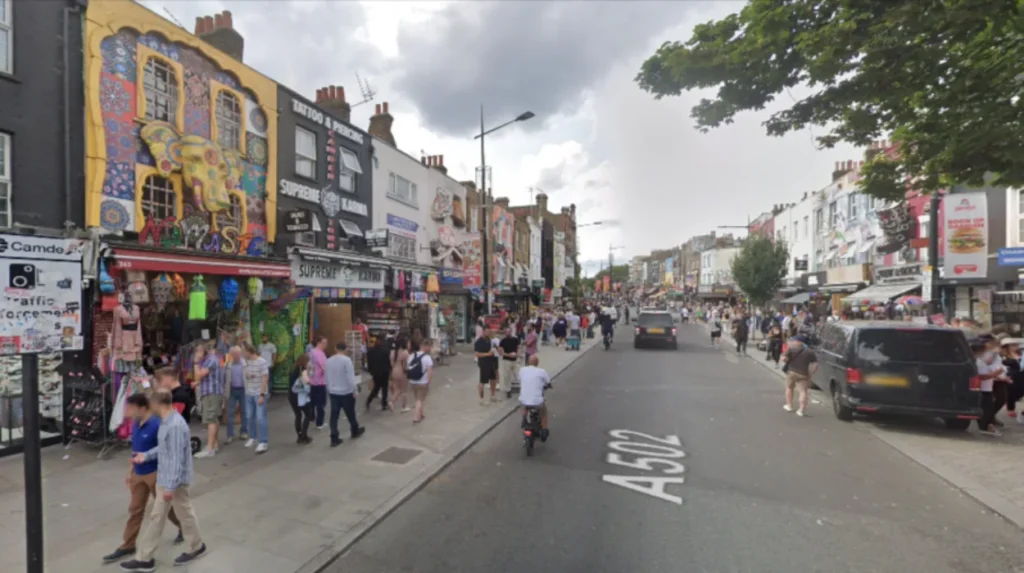
Camden Town buzzes with festivals tied to its punk and alternative heritage, including summer street parties during Camden Market weekends featuring live bands, graffiti artists, and food trucks for a DIY carnival feel. Chalk Farm Road often hosts Pride events and pop-up music gatherings, reflecting the area’s 1970s market origins that nurtured a bohemian scene. These events spill into nearby streets, offering endless energy for music lovers.
Islington’s Community Gatherings
Islington’s Upper Street comes alive with events like the annual Food Festival, closing roads for global cuisines, craft beers, and live jazz from Bangladeshi, Turkish, and other local communities. Highbury Fields and Sobell host family street parties with storytelling and kids’ parades, echoing post-war VE Day traditions. Councils like Islington provide free permits, making these accessible year-round via platforms like streetparty.org.uk.
Finsbury Park’s Multicultural Mix
Finsbury Park Carnival rivals Notting Hill, blending African, Caribbean, and Latin vibes along Seven Sisters Road with samba schools, grime artists, and halal street food. Emerging in the 2000s from park gigs, it now features full road closures backed by Haringey Council, complete with Afrobeat dancers, Bollywood flash mobs, and vegan jerk stalls tailored to North London’s diversity.
Highgate and Hampstead Charms
Highgate Village offers quaint summer fairs on Highgate High Street with maypole dancing, Pimms, and historic home tours, while Hampstead’s Heath Street parties include morris dancers and acoustic sets linked to the Heath’s folklore. These family-focused events draw from 18th-century fair customs, supported by Camden Council’s heritage funding, often raising money for charities through games like egg-and-spoon races.
Historical Evolution
North London’s festivals grew from post-World War I “Peace Teas” in 1919 and VE Day parties in 1945, which united neighborhoods after hardship. The 1977 Silver Jubilee popularized mass street closures, influencing modern events funded by the Greater London Authority for safety post-2011 riots. Studies highlight their role in social cohesion, combating urban isolation in dense areas.
Planning Your Visit
Peak season hits summer, with Notting Hill in late August and Camden events on weekends—check calendars on islington.gov.uk, camden.gov.uk, or haringey.gov.uk. Use the Tube like Central Line to Notting Hill Gate or Northern to Camden Town, or Santander bikes on car-free streets. Expect crowds, thumping bass, and scents of grilled plantain; bring water, comfy shoes, and a portable charger, sticking to kids’ zones for families or sound systems for solo adventurers.
Safety and Etiquette Tips
Follow marshals, respect barriers, and use anti-theft bags against pickpocketing. No glass bottles allowed—support cleanup efforts to keep streets pristine.
Culinary and Musical Delights
Savor Trinidadian doubles at Notting Hill, Turkish meze nearby, or vegan Caribbean fusions elsewhere, showcasing North London’s eats. Music ranges from soca anthems to grime hits by local DJs like Stormzy, mixing classics with fresh tracks.
Hosting Your Own Event
Organize via streetparty.org.uk: Rally neighbors on Nextdoor, apply for free council road closures 12 weeks ahead, get £10m insurance through NDNA, and theme around Caribbean flair or eco-focus with a £500-£2000 budget for gazebos and bands. Historic England’s Hi! Street Fest inspires with parades.
Community Impact
Events like Notting Hill generate over £100m in annual spending, boosting local pride ahead of 2025 Jubilee parties. They bridge cultural divides per LSE research and adopt zero-waste practices like compost stalls for sustainability.
Looking Ahead
Hybrid formats with virtual streams cater to global audiences, while climate plans add shaded areas. Expansions like Haringey’s Love Finsbury Fest promise more in coming years.
North London’s street festivals deliver enduring joy, rooted in history and alive with evolution—perfect for dancing in Notting Hill or relaxing in Highgate.