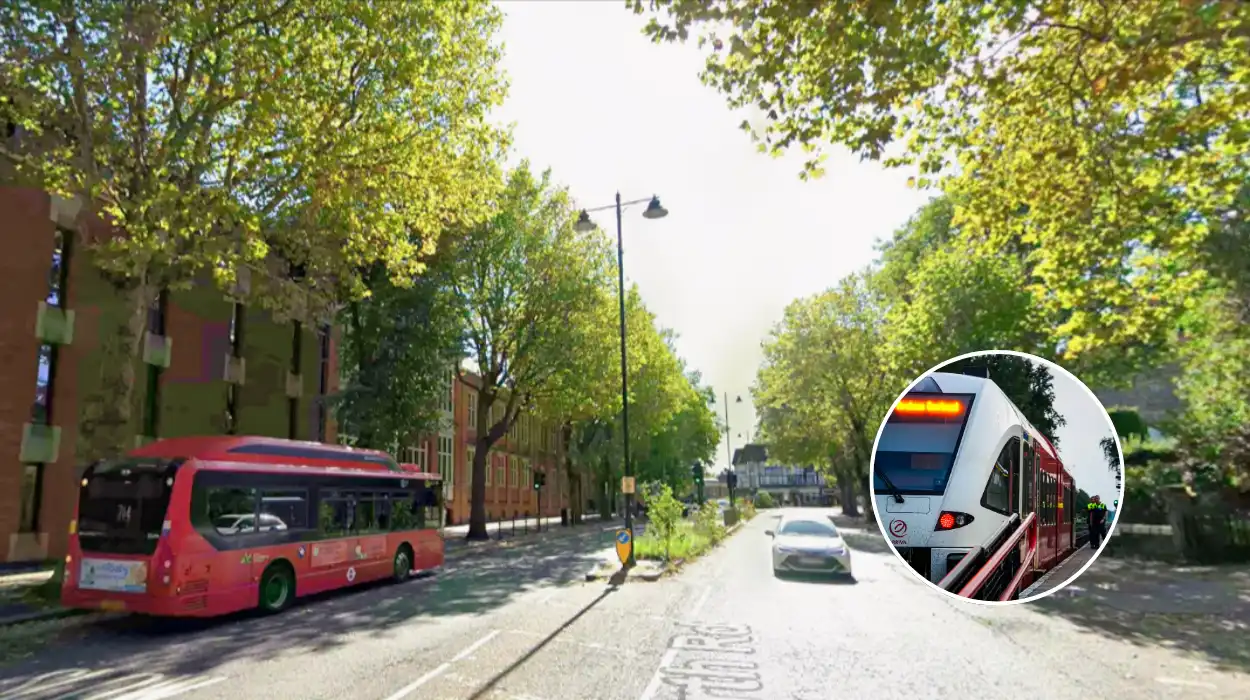
North London’s transport network stands out for its reliability and variety, connecting residents efficiently to central London, nearby suburbs, and key destinations beyond. From historic railways to modern Overground services, buses, and cycling paths, these links cater to daily commuters, families, and visitors seeking seamless mobility. This evergreen guide highlights the system’s strengths, ensuring timeless value for locals searching for optimal travel options.
- Historical Development
- Key Rail and Overground Services
- Underground Tube Network
- Extensive Bus Coverage
- Cycling and Active Travel Paths
- Road Network and Driving
- Airport Connectivity
- Additional Links and Future Plans
- Accessibility Enhancements
- Practical Commuting Advice
- Economic and Lifestyle Benefits
- Sustainability Efforts
- Fares and Ticketing Simplified
- Safety and Performance
Historical Development
North London’s transport infrastructure began evolving in the 19th century with the railway revolution, shifting quiet villages into bustling communities. The North London Line, established progressively from 1850, created vital orbital routes from Stratford through Willesden Junction to Richmond, boosting both freight and passenger traffic. By the Victorian era, lines like the Great Northern Railway introduced stations in areas such as Enfield Chase, dramatically reducing journey times to central hubs like Moorgate.
The 1930s New Works Programme marked a milestone, extending the Piccadilly Line northward to Cockfosters and serving neighborhoods like Oakwood and Southgate with Underground access. Post-war expansions under Transport for London (TfL) integrated these legacy systems, forming a cohesive network that continues to expand today.

Key Rail and Overground Services
Overground and National Rail lines provide the backbone for fast travel across North London. Services from Enfield Town reach Liverpool Street in about 35 minutes, while routes from Bush Hill Park and Turkey Street connect via changes at Seven Sisters, taking 35 to 45 minutes. Brimsdown and Enfield Lock link to Stratford or Liverpool Street in 30 to 40 minutes through Greater Anglia operations.
The North London Line offers up to eight trains per hour during peak times, circling from Stratford to Clapham Junction or Richmond without entering Zone 1 congestion. These air-conditioned Class 378 trains run frequently, even on weekends with four trains per hour per branch, supporting 24/7 travel on select routes.
Underground Tube Network
North London benefits from multiple Tube lines for direct central access. Piccadilly Line stations including Oakwood, Southgate, and Cockfosters deliver 20- to 30-minute journeys to King’s Cross or Heathrow Airport. The Victoria Line at Tottenham Hale and Seven Sisters reaches Oxford Circus in just 20 to 25 minutes.
Additional coverage comes from the Jubilee Line at Wembley extending to Stanmore, Bakerloo Line to Harrow & Wealdstone, and Metropolitan Line supporting Watford or Uxbridge connections. Major interchanges like Highbury & Islington and Finsbury Park enhance flexibility, with many stations featuring step-free access.
Extensive Bus Coverage
Buses complement rail services, weaving through residential areas with frequent and night operations. In Enfield, routes such as W8, 121, 329, and 191 connect to Tottenham Hale, Wood Green, and Edmonton Green. The 91 bus travels from Trafalgar Square via Euston to North London in around an hour during off-peak hours.
Other useful services include the 41 from Archway to Crouch End and W7 from Finsbury Park, while TfL’s Spider network and N-series night buses ensure round-the-clock availability. Contactless payments and the Hopper fare, capping daily bus and tram costs at £1.75 for unlimited hops within an hour, make this mode highly affordable.
Cycling and Active Travel Paths
Cycling infrastructure thrives in North London, promoting healthier commutes. Cycle Superhighway CS1 traces the Regents Canal from Mile End to Brent Cross through Camden, offering safe, segregated lanes. Enfield features greenways alongside rail lines, and Barnet connects Finchley to Hendon via dedicated routes.
TfL’s Santander Cycle Hire scheme provides access to thousands of bikes across numerous docking stations, including e-bike options for longer trips. Walking paths like the Capital Ring walking route encircle the region, encouraging pedestrian travel and reducing reliance on motorized transport.
Road Network and Driving
Major roads facilitate car travel, with the A406 North Circular, A10, A40, and A1(M) linking North London outward. Enfield sits conveniently near these arterials, complemented by park-and-ride facilities at Tottenham Hale. While driving to central London takes 35 to 45 minutes, avoiding the Congestion Charge zone—though ULEZ compliance is required—rails often prove faster.
Electric vehicle incentives and improving traffic management support sustainable driving choices across boroughs like Haringey, Barnet, and Waltham Forest.
Airport Connectivity
North London offers strong access to major airports. Heathrow lies 20 to 40 minutes away via the Piccadilly Line, while Luton Airport connects in 45 to 60 minutes using Thameslink or Overground services. London City Airport reaches Stratford on the Overground for 45- to 60-minute trips, ideal for quick business flights.
Gatwick requires about 90 minutes total via Victoria Line to Thameslink interchanges, ensuring comprehensive air travel options for residents.
Additional Links and Future Plans
DLR services at Stratford integrate with Overground lines, and the Elizabeth Line provides access from Shenfield through Tottenham Court Road, reachable in 20 minutes from Enfield via Stratford. Proposed Crossrail 2 could introduce direct Wood Green to Wimbledon routes in the coming years.
TfL’s £2.5 billion annual investments fund step-free upgrades at stations like Wood Green and Bruce Grove, alongside digital signaling to increase capacity by up to 50% on lines such as Gospel Oak to Barking. West Anglia Main Line four-tracking aims to shorten Enfield journeys further.
Accessibility Enhancements
Over 30% of stations in North London provide step-free access, equipped with audio announcements, tactile paving, and priority seating. TfL’s “Turn Up and Go” assistance supports hundreds of users daily, while low-platform Overground trains accommodate wheelchairs easily. These features ensure inclusive travel for elderly, disabled, and family users across the network.
Practical Commuting Advice
Use the TfL Go app for real-time planning and updates to navigate peak crowds effectively. Opt for Oyster cards or contactless payments to benefit from daily fare caps of £8.50 in Zones 1-4, with Railcard discounts available. Travel before 7am or after 9am to save 10 to 15 minutes, and combine bus-rail trips leveraging Hopper savings.
Economic and Lifestyle Benefits
Excellent transport elevates North London’s appeal, underpinning 1.2 million jobs through efficient commutes and raising property values by up to 15% near key stations. Enfield exemplifies this with its blend of rail, Tube proximity, and bus options, attracting families and professionals.
Sustainability Efforts
TfL pursues net-zero emissions by 2030, deploying over 1,000 electric buses and electrifying rail lines. Cycling initiatives have cut short-trip car use by 10%, with expanded bike storage at 200 stations fostering multimodal green habits.
Fares and Ticketing Simplified
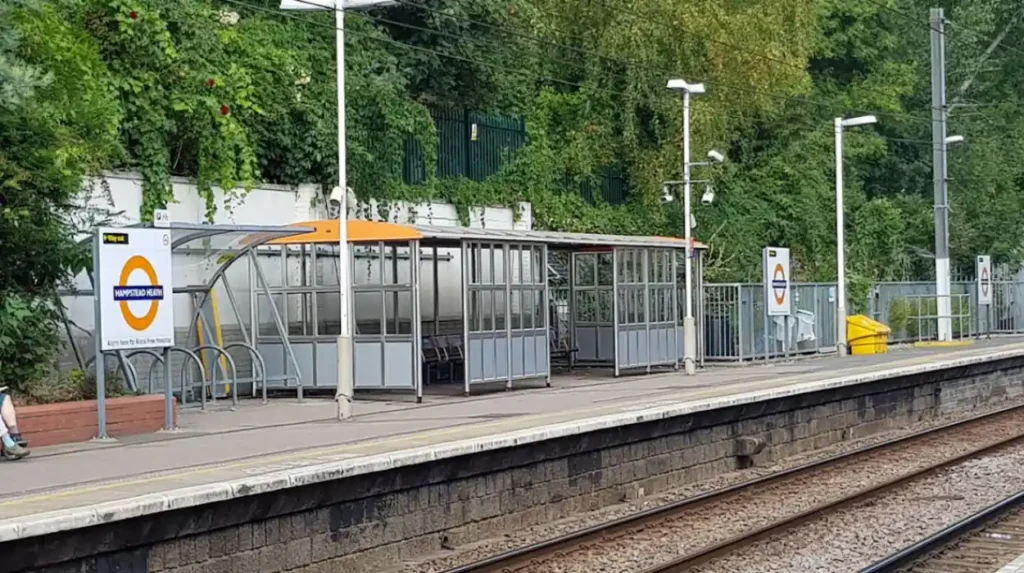
Daily caps at £8.50 cover Zones 1-4 extensively, while monthly Travelcards range from £40 to £70 and annual options save significantly. Children under 11 travel free with paying adults, and apps like Citymapper streamline cross-mode fare calculations.
Safety and Performance
TfL achieves 99.5% bus punctuality and 95% rail reliability, bolstered by widespread CCTV and a 20% crime reduction since 2020. Advanced signaling enhances weather resilience across North London routes.