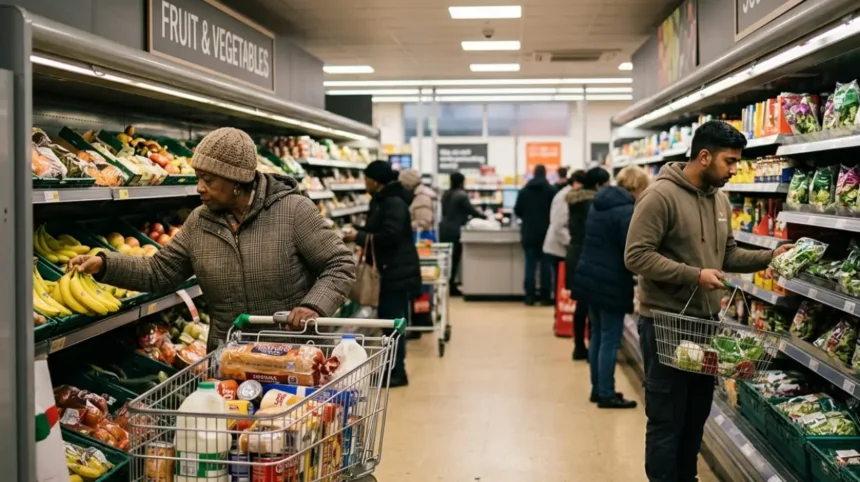
A supermarket is a large self-service retail store that sells food, drinks, household goods, and everyday essentials in one place. In North London, supermarkets play a central role in weekly shopping, top-up trips, and access to affordable groceries across local neighbourhoods.
- What is a supermarket?
- How did supermarkets develop?
- What do supermarkets sell?
- How do supermarkets work?
- Why are supermarkets important?
- What is the UK supermarket market like?
- How has shopping behaviour changed?
- What are the main types of supermarkets?
- How do supermarkets affect prices?
- What is the history of UK supermarkets?
- What trends shape supermarkets now?
- Why do supermarkets matter for the future?
What is a supermarket?
A supermarket is a retail store that sells groceries and household items through self-service aisles and checkouts. In North London, supermarkets serve daily needs, support local shopping patterns, and connect convenience with price competition across major UK food retail.
A supermarket usually stocks fresh produce, meat, dairy, bakery items, frozen food, drinks, toiletries, and cleaning products. Many UK supermarkets also sell clothing, pharmacy items, pet food, and seasonal goods, which makes them one-stop stores for households. The format is built around scale, organised shelving, and fast customer flow.
The supermarket model matters because it shapes how families buy essentials. It also affects pricing, supply chains, and local retail access. In dense urban areas such as North London, supermarkets often sit near transport links, residential streets, and town centres, which makes them part of everyday routines.
How did supermarkets develop?
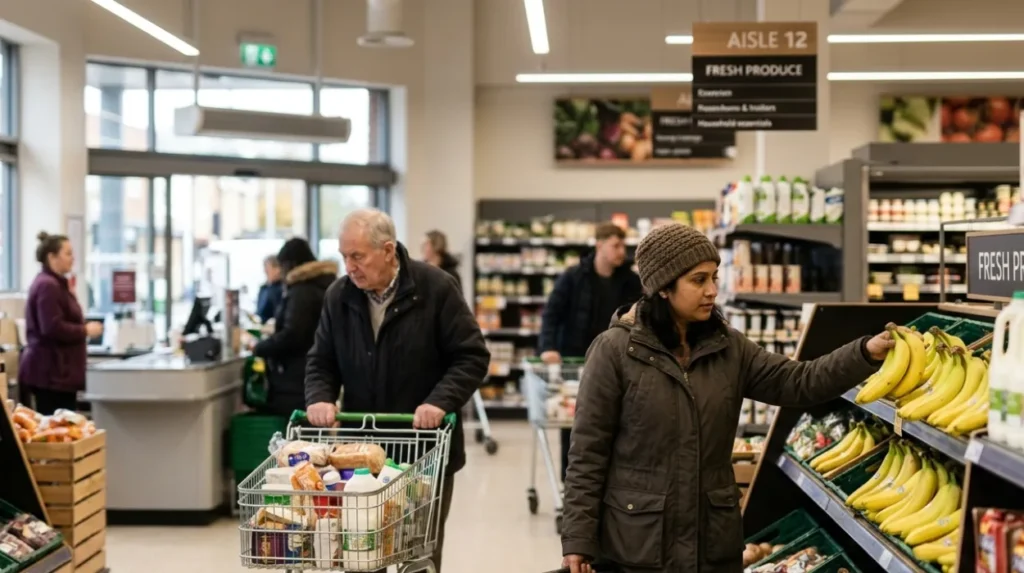
Supermarkets developed from self-service grocery retail into large-scale stores designed for speed, choice, and lower operating costs. In North London and across the UK, this shift changed food shopping from small counter-service shops to modern retail systems.
The supermarket model expanded in Britain during the mid-20th century. Retailers moved away from small shops where staff served customers across a counter and towards self-service layouts where shoppers selected items themselves. This reduced labour at the point of sale and allowed larger product ranges.
As supermarket chains grew, they introduced central buying, warehouse distribution, loyalty pricing, and own-label products. These changes improved efficiency and increased competition. Over time, supermarkets became the dominant format for weekly grocery shopping in most UK cities, including North London.
What do supermarkets sell?
Supermarkets sell a wide mix of food and household goods, including fresh produce, dairy, bakery items, meat, frozen food, toiletries, and cleaning products. In North London, larger stores often add convenience ranges, meal deals, and ready-to-eat food for busy shoppers.
A standard supermarket range covers fruit, vegetables, bread, milk, eggs, cereals, pasta, rice, sauces, snacks, soft drinks, and alcohol where licensed. Many stores also carry health products, children’s items, paper goods, and home basics. This broad selection helps shoppers complete most of their household shop in one visit.
The product mix also reflects different customer budgets. Supermarkets usually offer branded lines, own-label standard ranges, budget ranges, and premium ranges. That structure lets the same store serve value-focused households, mid-market shoppers, and customers looking for higher-end goods.
How do supermarkets work?
Supermarkets work by combining bulk purchasing, supply-chain logistics, shelf display, and high-volume checkout systems. In North London, where footfall is high and shopping trips are often shorter, this model supports fast, frequent, and efficient grocery buying.
Retailers buy large quantities from suppliers and move goods through distribution centres and delivery networks. Products are then delivered to stores, placed on shelves, and priced for customer self-service. The checkout stage closes the sale through tills, contactless payment, or self-scan systems.
The business model depends on turnover. Fresh food needs fast replenishment, while ambient goods rely on efficient stock control. Supermarkets use sales data to predict demand, manage waste, and adjust pricing. This makes the supermarket both a shop and a data-driven retail operation.
Why are supermarkets important?
Supermarkets are important because they shape food access, household spending, local jobs, and retail competition. In North London, they also influence neighbourhood convenience, transport patterns, and the availability of affordable everyday essentials.
For households, supermarkets are often the main place to buy weekly groceries. For workers, they provide large numbers of retail jobs across stores, depots, delivery services, and management roles. For suppliers, supermarkets offer access to very large customer bases but also strong pressure on price and delivery standards.
Supermarkets also affect how areas function. A large store can draw shoppers into a high street, retail park, or town centre. A smaller convenience branch can support local shopping in areas with limited space or fast-moving daily demand. In both cases, supermarkets remain central to urban life.
What is the UK supermarket market like?
The UK supermarket market is large, mature, and highly competitive, with major chains, discounters, convenience stores, and online grocery services all competing for customers. North London shoppers see this competition clearly through store choice, pricing, and location.
The market includes large national chains, discount retailers, smaller convenience formats, and delivery-led online services. Competition is driven by price, proximity, product range, loyalty schemes, and service speed. This means supermarkets no longer compete only with each other, but also with discounters and digital grocery platforms.
In urban areas such as North London, store density is usually higher than in rural areas. That gives shoppers more choice but also increases pressure on retailers to stand out. Some stores focus on quick top-up shopping, while others focus on full weekly baskets and larger family purchases.
How has shopping behaviour changed?
Shopping behaviour has shifted towards more convenience, more frequent trips, and greater online use. In North London, busy routines, smaller households, and transport-linked shopping patterns have pushed supermarkets to adapt quickly.
Many shoppers now split their spending across several store types. They may use a large supermarket for a weekly shop, a convenience store for urgent items, and an online service for bulk orders or home delivery. This has changed how supermarkets design store layouts, promotions, and opening hours.
Price sensitivity also remains strong. Shoppers compare value carefully, especially during periods of higher food inflation. That has increased demand for own-label products, meal deals, loyalty discounts, and lower-priced ranges. Supermarkets have responded by promoting clearer value messaging and faster checkout options.
What are the main types of supermarkets?
The main types of supermarkets are large supermarkets, convenience supermarkets, discount supermarkets, online supermarkets, and premium supermarkets. In North London, all five types appear in different forms and each serves a distinct shopping need.
Large supermarkets focus on full weekly shops and broad product choice. Convenience supermarkets focus on speed, shorter trips, and local access. Discount supermarkets focus on low prices and a narrower range. Online supermarkets focus on home delivery and click-and-collect. Premium supermarkets focus on higher-end food and specialist ranges.
These types differ in size, layout, and customer expectation. A large supermarket suits a family stock-up trip. A convenience store suits a quick evening visit. A discount store suits a value-led shop. An online supermarket suits people who want delivery rather than in-store browsing. This variety is now a core feature of modern grocery retail.
How do supermarkets affect prices?
Supermarkets affect prices by using buying power, promotions, own-label products, and competition between chains. In North London, price differences across nearby stores often shape where households choose to shop.
Large retailers negotiate with suppliers at scale, which helps them reduce unit costs. They then use promotions, multi-buy offers, and loyalty pricing to attract customers. Own-label products also give supermarkets more control over margins and price points.
Food prices influence household budgets directly. When supermarket prices rise or fall, the effects are visible in weekly spending. Supermarkets therefore play a major role in value perception. They are not only sellers of goods but also key actors in consumer price competition.
What is the history of UK supermarkets?
The history of UK supermarkets begins with self-service retail in the mid-20th century and continues through expansion, consolidation, discounter growth, and online grocery. North London became part of this shift as urban retail moved towards larger and more flexible store formats.
Before supermarkets became common, many shoppers bought food from small local shops, markets, and counter-service stores. The move to self-service changed this system by allowing customers to choose items directly from shelves. That reduced service time and increased product variety.
As the sector expanded, supermarket chains opened larger stores and later smaller convenience branches. Over time, competition from discounters and online services changed the market again. Today, supermarkets are central to both physical retail and digital grocery ordering.
What trends shape supermarkets now?
The main supermarket trends are value pressure, convenience demand, online growth, and data-led retailing. In North London, these trends are visible in store formats, opening hours, delivery services, and product ranges.
Retailers now use sales data, loyalty information, and stock systems to manage demand more accurately. They also adjust ranges to reflect smaller households, ready meals, healthier eating, and quick meal solutions. This gives supermarkets a more flexible role than in the past.
Another major trend is the balance between large stores and local branches. Urban shoppers often want less travel time and faster trips, so convenience formats continue to grow. At the same time, large supermarkets remain important for bigger households and lower-cost bulk buying.
Why do supermarkets matter for the future?
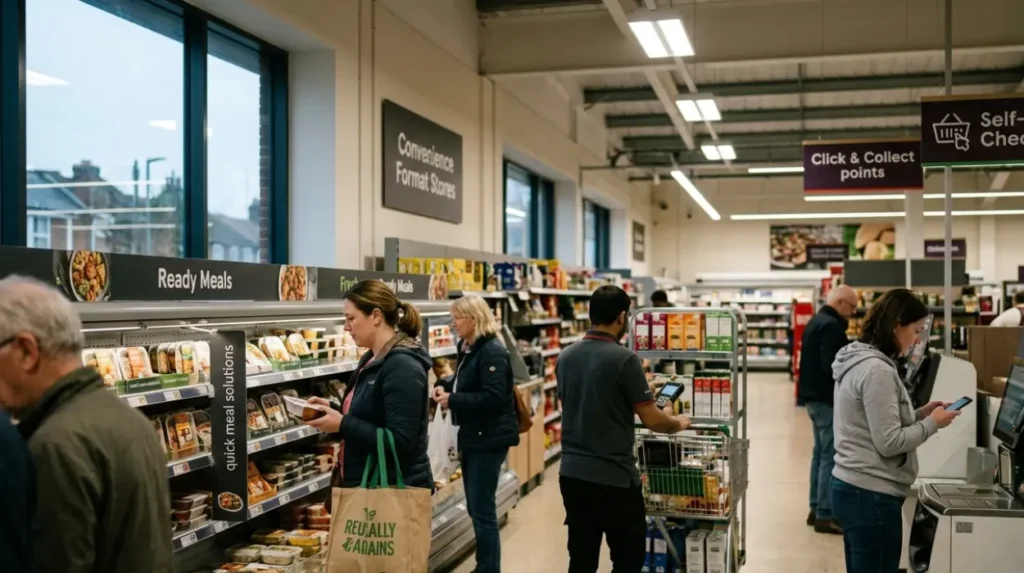
Supermarkets matter for the future because they remain a key part of food access, inflation measurement, retail innovation, and local community life. In North London, their role will stay important as shopping habits, delivery systems, and urban demand continue to change.
Supermarkets will keep adapting to digital ordering, contactless payment, loyalty apps, and stronger demand for speed. They will also face pressure to manage waste, reduce costs, and maintain reliable supply chains. These challenges make supermarkets central to modern retail planning.
For cities like North London, supermarkets will remain important because they support both routine shopping and immediate access to essentials. Their future depends on how well they balance price, convenience, range, and local relevance. That balance will decide how they serve households over the long term.
What is a supermarket?
A supermarket is a self-service retail store that sells groceries, food, drinks, toiletries, and household goods in one organised space. Supermarkets are a major part of the UK retail industry and support everyday household shopping.