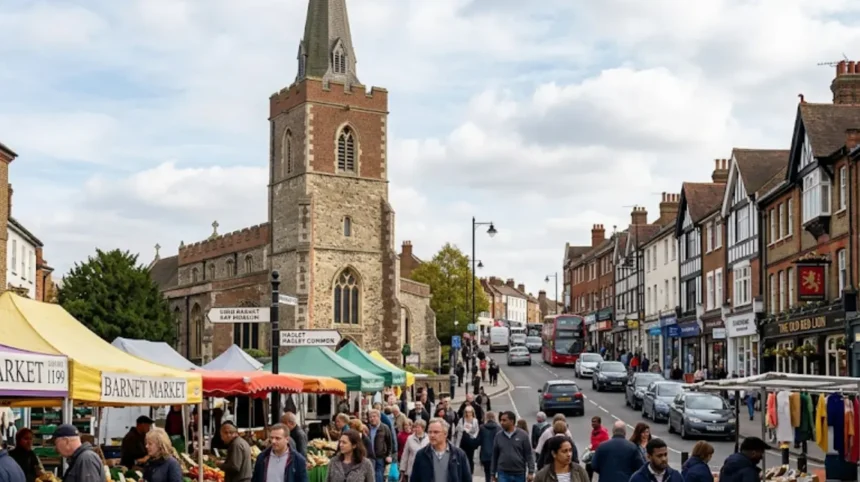
Barnet is famous for its medieval history, green spaces, museum attractions, and strong North London identity. It is best known for the Battle of Barnet, Hampstead Garden Suburb, Barnet Market, the RAF Museum London, and its mix of historic and suburban character.
Why is Barnet well known?
Barnet is best known for its historic town centres, strong suburban identity, and major heritage sites that define North London. Its fame comes from a combination of medieval battles, old market traditions, open countryside, and cultural landmarks that attract visitors, residents, and day-trippers alike.
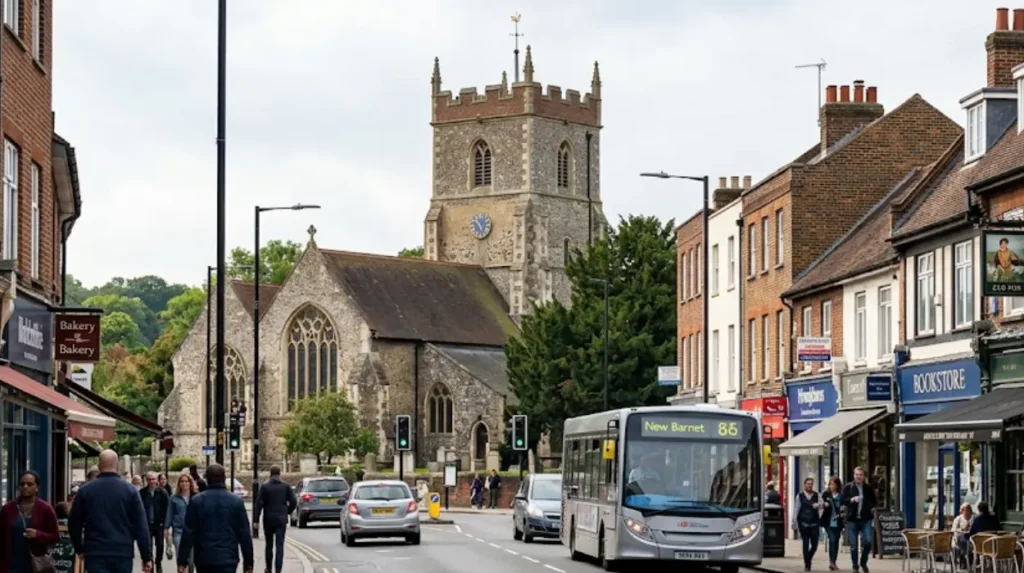
Barnet is one of the largest boroughs in London and has a broad identity rather than a single core centre. It includes places such as Hendon, Finchley, Golders Green, Chipping Barnet, East Barnet, New Barnet, Totteridge, and Mill Hill. This gives it a varied character that combines city access with quieter residential areas and green surroundings.
Its position on the old Great North Road also helped shape its fame. The route once linked London with the north of England and made Barnet an important stopping point for trade and travel. That historical role still influences how the borough is seen today.
What historical event made Barnet famous?
Barnet is most famous for the Battle of Barnet in 1471, one of the decisive battles of the Wars of the Roses. It was fought north of the town and helped secure Edward IV’s return to the throne, making Barnet a major name in English medieval history.
The Battle of Barnet is the main reason many people recognise the borough’s name. It was one of the most important clashes in the Wars of the Roses and had major political consequences for England. The battle gave Barnet a lasting place in national history.
That historical importance still shapes the area’s identity. Local museums and heritage sites keep the story alive through exhibitions, records, and public history displays. Barnet’s medieval fame remains one of its strongest claims to attention.
Barnet’s age adds to that identity. The town has existed for centuries, and its market tradition goes back a long way. This means its reputation is built on deep local roots rather than modern development alone.
What landmarks define Barnet?
Barnet is defined by a small group of recognisable landmarks, including Barnet Museum, Barnet Market, Hampstead Garden Suburb, the RAF Museum London, and heritage buildings such as Church Farmhouse and the Lawrence Campe Almshouses. These sites show the borough’s depth of history, architecture, and everyday local life.
Barnet Museum is one of the borough’s clearest heritage anchors. It focuses on local history and gives visitors a strong overview of the town’s past. It is especially useful for understanding Barnet’s development from a historic settlement into part of modern London.
The RAF Museum London is another major landmark. It draws visitors with its aircraft displays and aviation history and is one of the most prominent attractions in the borough. Its free-entry appeal also makes it a practical day out for families and tourists.
Barnet also stands out for older buildings that survived the area’s suburban growth. These include almshouses, farmhouses, churches, and former village centres. Together, they show that Barnet’s fame is not limited to one event or one building.
Why is Hampstead Garden Suburb important?
Hampstead Garden Suburb is important because it represents one of Barnet’s best-known planned residential areas and gives the borough a strong architectural reputation. It is widely associated with design, garden city ideas, and a distinctive suburban landscape that separates Barnet from more densely built parts of London.
This area helps explain why Barnet is often seen as one of London’s more attractive and green boroughs. It reflects a carefully planned approach to housing, open space, and street layout. That makes it significant not only to residents but also to people interested in architecture and urban planning.
The suburb adds a different layer to Barnet’s identity. It shows the borough is not only about medieval history or museums. It also has a reputation for thoughtful residential design and a quieter, more spacious feel.
Barnet’s architectural variety is one of its strongest features. Some parts feel historic, some feel suburban, and some feel semi-rural. That mix gives the borough a distinctive place in North London.
What outdoor spaces is Barnet known for?
Barnet is known for its open spaces, green belt land, parks, and countryside-feeling areas that make it one of North London’s greener boroughs. Visitors come for walking, wildlife, sport, and calm neighbourhoods, while residents value the borough’s access to nature inside Greater London.
Barnet’s green reputation is one of its biggest attractions. The borough has a large amount of open space compared with many other parts of London. This makes it especially appealing for people who want a quieter environment with room to walk and relax.
The area includes countryside walks, nature spots, and open land that feels far removed from the centre of the city. These spaces support walking, cycling, family outings, and outdoor leisure. They also help Barnet stand out as a place that balances urban access with space and calm.
Green space is part of Barnet’s wider appeal to residents and visitors. It supports quality of life, local recreation, and a more relaxed travel experience. That makes it useful for short stays as well as longer visits.
What does Barnet offer visitors today?
Barnet offers visitors a practical mix of history, museums, shopping, parks, and local dining, with enough variety for a half-day or full-day visit. Its appeal lies in balance: heritage sites for culture, green spaces for relaxation, and transport links for easy access across North London.
Barnet works well for travellers who want a less crowded London experience. Its heritage attractions give it cultural value, while its parks and open spaces add a quieter, more relaxed pace. That makes it suitable for visitors who want both sightseeing and downtime.
It also has useful transport connections. This makes it easy to combine Barnet with other parts of North London or central London. For business travellers, that can be especially practical when fitting leisure into a work trip.
Barnet Market and the borough’s older town centres remain important to its visitor appeal. They give the area a sense of continuity and local life. That helps Barnet feel lived-in and authentic rather than purely tourist-focused.
Why do people search for Barnet as a place to live?
People search for Barnet as a place to live because it combines green space, historical character, strong local facilities, and a quieter suburban environment within London. Its reputation is built on stability, heritage, and access to both urban transport and open areas.
Barnet appeals to people who want more room than they would find in central London. It offers residential streets, established neighbourhoods, and local amenities that support daily life. That makes it attractive to families, professionals, and long-term residents.
Its local history gives the area a stronger identity than many standard suburban districts. Living there means being close to places linked to medieval history, old market culture, and long-standing community life. That adds a sense of place.
For remote workers and business travellers, Barnet also offers practical benefits. It is quieter than central London but still connected enough for meetings, commutes, and flexible work patterns. That combination makes it useful for modern travel and living.
What sums up Barnet’s reputation?
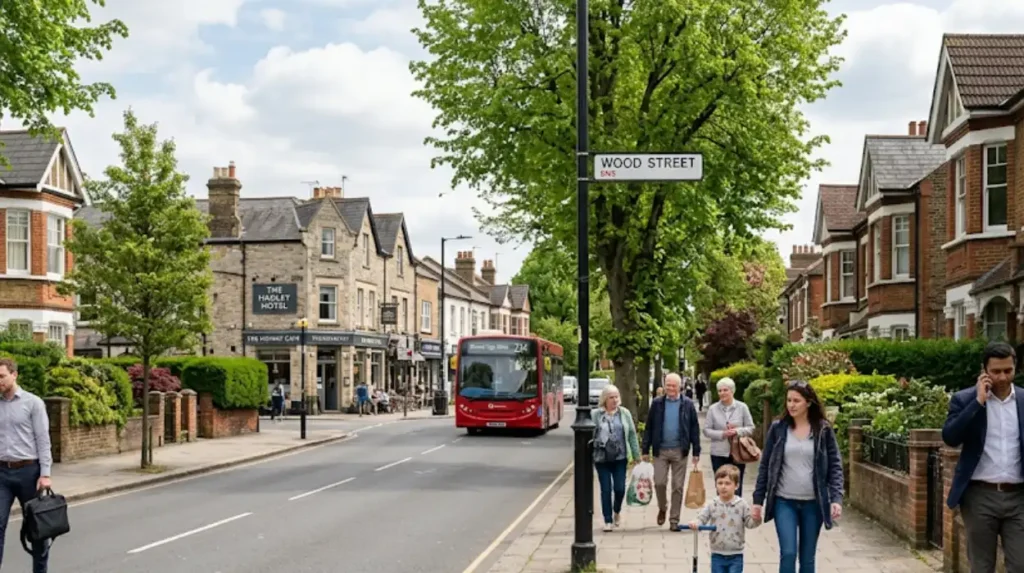
Barnet is famous for being a historically significant, green, and distinctly North London borough. Its reputation rests on the Battle of Barnet, long-standing market traditions, Hampstead Garden Suburb, the RAF Museum, and a suburban landscape that still preserves older local identities.
Barnet is not famous for just one thing. Its reputation comes from the way its history, landmarks, and green spaces work together. That gives it a broad appeal across tourism, residential life, and local heritage.
The borough’s strongest features are easy to identify: medieval history, cultural attractions, open land, and a varied suburban feel. These elements make Barnet stand out within London and give it lasting relevance.
Its identity is rooted in both the past and the present. Barnet remains a place where history, leisure, and everyday North London life overlap in a way that feels distinctive and memorable.