North Central London refers to a specific part of London that lies in the northern sector of the capital, positioned between Central London and the outer northern boundaries of Greater London. This area contains a blend of residential, commercial, and cultural districts, and is distinct from both the full expanse of North London and the central core of London. While there is no single official definition or boundary for North Central London, it generally includes boroughs and neighborhoods that are north of Central London but still inside the urbanized northern zones closer to the city center.
Geographic and Administrative Context
North Central London is part of the broader North London area, which lies north of the River Thames and the City of London financial district. North London extends from areas immediately north of the city center, such as Clerkenwell and Finsbury, continuing outward to the boundary of Greater London and Hertfordshire. North Central London is essentially positioned within this zone, typically encompassing the inner northern boroughs—those areas that sit between Central London’s core districts (like the City of London and Westminster) and the northern suburban outskirts.
Some boroughs often associated with North Central London include the northern parts of Camden (specifically the inner areas), Islington, Hackney, and parts of Haringey. These boroughs form a transitional region from Central London’s dense urban landscape to the more suburban and historically rural outer northern zones that developed later during London’s expansion. North Central London is thus an important and densely populated sector, hosting a mix of historic areas, modern residential neighborhoods, and significant cultural landmarks.
Historical Development
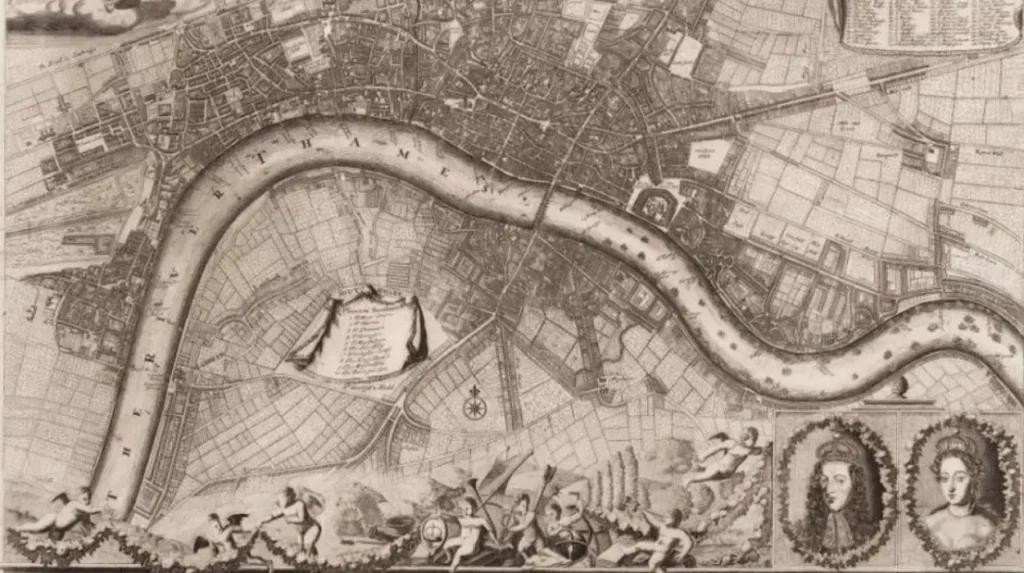
Historically, the northern part of London within what can be called North Central London saw slower development initially compared to other directions from the city center. In the early medieval and Tudor periods, this area was mostly rural with marshy grounds and poorly connected roads. Through the 18th and 19th centuries, urbanisation increased significantly with the construction of canals such as Regent’s Canal, and most notably with the arrival of railways. These transport links accelerated the development of commuter suburbs and economic growth in the northern sections of London.
The Victorian era witnessed a surge in residential development, transforming once rural parishes into thriving urban communities. Post-World War II, the establishment of the Metropolitan Green Belt restricted further outward expansion, helping to preserve the urban character of North Central London within its established boundaries.
Key Characteristics and Importance
North Central London is a vibrant hub with a mix of diverse communities, commercial enterprises, and cultural sites. It bridges the bustling commercial and political heart of Central London with the broader northern residential areas, making it a vital area for commuters and residents alike. The area includes renowned neighborhoods such as Camden Town, known for its markets, music scene, and cultural heritage; Islington, famous for its theatres and vibrant nightlife; and parts of Hackney, which have undergone significant gentrification and are centers of arts and creativity.
The diversity and historical layering of North Central London contribute to its unique urban fabric. It combines historic buildings and streets with modern developments, parks, and green spaces. The area benefits from excellent transport links, including numerous London Underground lines, Overground services, and bus routes, making it well connected to Central London and other parts of the capital.
North Central London is a significant area in the northern part of the capital that balances urban density, historical heritage, cultural vibrancy, and modern residential life. It sits geographically and administratively between Central London and the more suburban northern reaches, comprising boroughs like Camden, Islington, and Hackney. Its development history reflects London’s growth from rural outskirts into a dynamic metropolitan area, and it remains an essential part of London’s urban landscape today.