Key Points
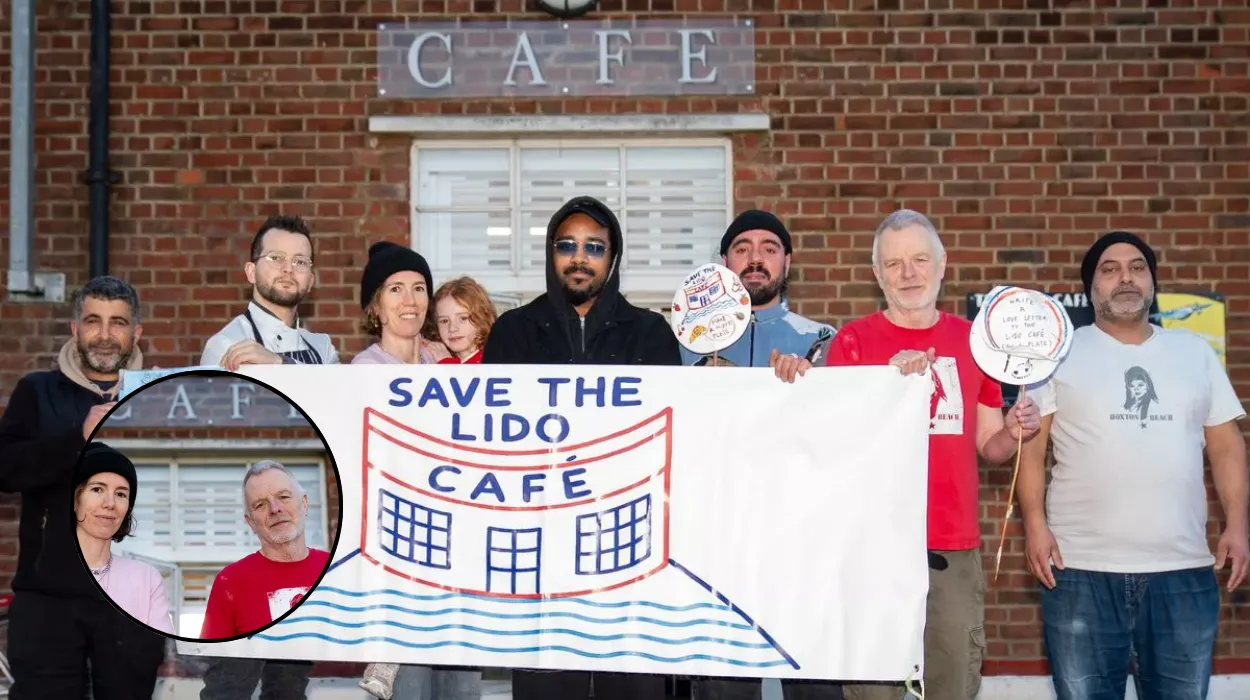
- A petition launched by Patrick Matthews, Director at Hoxton Beach, has garnered over 11,000 signatures in less than two weeks, urging the City of London Corporation to halt the handover of five North London cafés to new operators.
- The cafés are located in Hampstead Heath (including Queen’s Park, Golders Hill Park, Parliament Hill Lido, Parliament Hill Fields), and Highgate Wood; leases were put up for tender earlier this year.
- On December 19, the City of London Corporation announced that four cafés—at Queen’s Park, Golders Hill Park, Parliament Hill Lido, and Parliament Hill Fields—will be operated by the Aussie-inspired chain Daisy Green, with operators required to vacate by January 31.
- The fifth café in Highgate Wood awaits announcement, with discussions ongoing and due diligence checks in progress.
- Patrick Matthews initiated the petition calling for a pause on Daisy Green’s takeover and a re-run of the retendering process, stating that the responses, especially during the winter break, “speak for themselves.”
- The City of London Corporation manages these green spaces, including Hampstead Heath, as a registered charity.
- A concerted campaign has emerged to retain the existing operators following the tender process.
The most significant development in this unfolding story is the rapid surge in public support for the current operators of five beloved North London cafés, as a petition demanding their reinstatement has amassed over 11,000 signatures in under two weeks. This groundswell of backing targets the City of London Corporation, the landowner overseeing these sites in Hampstead Heath, Queen’s Park, and Highgate Wood. Announced on December 19, the Corporation’s decision to award four of the leases to the Australian-inspired chain Daisy Green has ignited fierce opposition, with the existing operators set to relinquish control by January 31.
- Key Points
- What Sparked the Petition Against the Café Handover?
- Who Are the Current Operators Facing Replacement?
- What Is Daisy Green’s Role in This Dispute?
- Why Is the City of London Corporation Involved?
- How Rapidly Did the Petition Gain Traction?
- What Happens Next for the Cafés and Operators?
- Broader Implications for Community Spaces?
At the heart of the controversy is Patrick Matthews, Director at Hoxton Beach, which currently runs the cafés at Parliament Hill Lido, Queen’s Park, and Highgate Wood. As reported by Phoebe Saxton-James of MyLondon, Mr Matthews launched the petition on Change.org, explicitly calling on the Corporation to “pause Daisy Green’s takeover and re-run the retendering process.” He emphasised the overwhelming response, noting that the signatures gathered, particularly amid the winter break, “speak for themselves.”
What Sparked the Petition Against the Café Handover?
The chain of events began earlier this year when the City of London Corporation, acting as a registered charity managing expansive green spaces like Hampstead Heath, put the leases for these five cafés up for tender. This standard procurement process, intended to ensure competitive operations, instead provoked a backlash from locals and regulars who cherish the community-oriented vibe of the existing setups.
According to coverage in MyLondon, the tender process led to “a concerted campaign to retain the existing operators,” with details emerging in articles such as “Date revealed for decision on future of 5 North London cafés.” The Corporation’s announcement on December 19 specified that Daisy Green would take over the cafés at Queen’s Park, Golders Hill Park (part of Hampstead Heath), Parliament Hill Lido, and Parliament Hill Fields. For the Highgate Wood café, operated by Hoxton Beach, the outcome remains pending, with “discussions ongoing amid due diligence checks,” as stated in the official update.
Patrick Matthews’ petition, accessible at Change.org, frames the issue as one of community loss. Supporters have flooded the page with comments praising the current operators for their role in fostering local gathering spots, from family-friendly breakfasts at the Lido café to serene woodland breaks at Highgate Wood.
Who Are the Current Operators Facing Replacement?
Hoxton Beach stands out as a key player among the affected operators. Patrick Matthews, its Director, has been vocal about the petition’s momentum. In remarks covered extensively by MyLondon‘s Phoebe Saxton-James in the article
“Thousands back North London café owners as petition calls for them to be reinstated,”
Mr Matthews highlighted the public’s swift reaction:
“The responses so far, in particular given the winter break, ‘speak for themselves.'”
The other cafés—Golders Hill Park, Parliament Hill Fields, and the broader Hampstead Heath sites—were also under longstanding operators whose identities have been tied to the community’s affection. While specific names for all operators were not detailed in initial reports, the collective campaign underscores their entrenched role. As Phoebe Saxton-James reported in MyLondon‘s follow-up “4 North London café operators fight to save sites from chain takeover,” the announcement left four sites earmarked for Daisy Green, amplifying calls for fairness in the tender evaluation.
What Is Daisy Green’s Role in This Dispute?
Daisy Green, the Aussie-inspired chain poised to assume operations, has not issued public statements amid the furore, based on available coverage. Described consistently across sources as bringing a vibrant, Sydney-style café culture to the sites, the chain’s selection followed the Corporation’s rigorous tender process. MyLondon articles, including the December 19 announcement piece by Phoebe Saxton-James, note that the handover for the four cafés is slated for January 31, with no alterations signalled yet.
Critics, including petition signatories, argue that a corporate chain risks diluting the unique, independent character of these green-space havens. However, the Corporation maintains the decision prioritises long-term sustainability for its charitable remit.
Why Is the City of London Corporation Involved?
The City of London Corporation, often simply called the City Corporation, holds trusteeship over Hampstead Heath and allied parks as a registered charity. Its portfolio includes maintaining public access and revenue generation for upkeep. As detailed in MyLondon‘s comprehensive coverage, such as
“City of London Corporation announces new café operators for Hampstead Heath sites,”
the body initiated the tender to secure optimal management.
No direct rebuttals from Corporation spokespeople appear in the sourced materials, but the process aligns with procurement protocols requiring transparency and competition. The ongoing due diligence for Highgate Wood suggests procedural caution persists.
How Rapidly Did the Petition Gain Traction?
Launched in the wake of the December 19 announcement, the petition exploded to over 11,000 signatures “at the time of writing,” per MyLondon‘s lead story by Phoebe Saxton-James. This velocity—thousands in less than two weeks, spanning the holiday slowdown—underscores deep community ties. Comments on the Change.org page, as aggregated in reports, invoke nostalgia for post-lockdown havens and fears of homogenised high-street chains encroaching on natural escapes.
Earlier MyLondon pieces, like “Date revealed for decision on future of 5 North London cafés,” foreshadowed this unrest, linking back to the tender’s launch and initial retention campaigns.
What Happens Next for the Cafés and Operators?
The timeline presses urgently: current operators must vacate by January 31 for the four awarded sites. Highgate Wood’s fate hinges on due diligence completion. Mr Matthews’ petition demands a retender, potentially stalling Daisy Green’s ingress.
As Phoebe Saxton-James noted in MyLondon‘s “Thousands back North London café owners,” the Corporation has not commented on the petition’s impact. Will public pressure prompt a review? Observers await signals, with the story evolving amid winter’s chill.
Broader Implications for Community Spaces?
This saga spotlights tensions between commercial tenders and local heritage in London’s green lungs. Similar disputes have arisen elsewhere, but the petition’s scale here amplifies voices for operator retention. Neutral observers note the Corporation’s charitable duty balances innovation against tradition.