Key Points
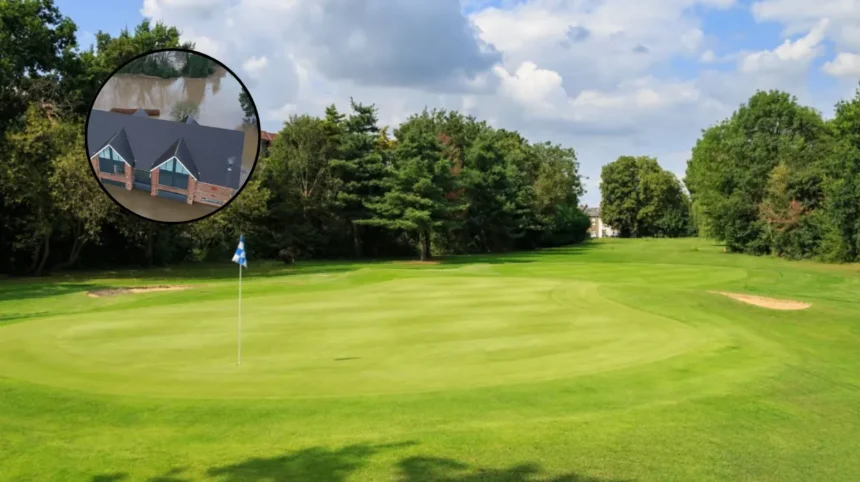
- Two balancing ponds at North Middlesex Golf Club in Friern Barnet Lane will be widened and de-silted to increase water storage capacity.
- The scheme costs £340,000 and is funded by the Environment Agency.
- A third flood storage basin further downstream on the golf course will also be improved.
- Blacketts Brook flows through the golf course, Friary Park, under Friern Barnet Lane and a railway line, then joins Pymmes Brook.
- Pymmes Brook affects East Barnet village, Oak Hill Park, Upper Edmonton, and Tottenham with flooding risks.
- The ponds are part of a site important for nature conservation, providing habitat for rare Palmate newts in London.
- Friary Park, featuring Blacketts Brook, is also a site of importance for nature conservation.
- Separately, the Environment Agency will inspect Stoney Wood Lake reservoir near Mill Hill Golf Course for £82,000 due to its high-risk status.
- Stoney Wood Lake holds at least 25,000 cubic metres of water above natural ground level, formed by a 380-metre steel sheet piling dam.
- The inspection will survey the sheet piling for corrosion or damage.
- Dan Tomlinson, MP for Chipping Barnet, welcomed the investment.
The primary work (North London News) April 22, 2026 targets two balancing ponds along Blacketts Brook at North Middlesex Golf Club in Friern Barnet Lane. These ponds will be cleared of silt and enlarged to hold more water during heavy rain. As part of the £340,000 scheme funded by the Environment Agency, the ponds will be widened and de-silted. A third flood storage basin further downstream within the golf course will receive improvements as well. Enlargement allows the ponds to retain more water, easing pressure on downstream areas.
- Key Points
- Why is this flood management scheme necessary in Friern Barnet?
- What additional flood resilience measures are underway in Barnet?
- How do Blacketts Brook and Pymmes Brook contribute to north London flooding?
- What ecological importance do the Friern Barnet ponds hold?
- Background of the Development
- Predictions: How this development can affect North London residents
Blacketts Brook runs through the golf course before entering Friary Park. It then passes into a culvert under Friern Barnet Lane and the main railway line, joining Pymmes Brook. Pymmes Brook flows through East Barnet village and Oak Hill Park, where flooding occurs regularly. Tributaries like Blacketts Brook worsen the threat, leading to greater issues in Upper Edmonton and Tottenham further south.
The two ponds form part of a site of importance for nature conservation. They provide habitat for Palmate newts, which are rare in London. Friary Park, with its continuation of Blacketts Brook as a popular feature, holds a similar conservation status.
Why is this flood management scheme necessary in Friern Barnet?
Heavy rainfall has heightened flood risks along Blacketts Brook and Pymmes Brook in north London. The ponds’ current capacity limits their ability to manage excess water, contributing to downstream flooding in areas like East Barnet, Oak Hill Park, Upper Edmonton, and Tottenham. Increasing storage addresses this by allowing more water retention on the golf course site.
The Environment Agency leads the effort to build resilience against such events. The scheme forms part of wider flood alleviation measures in the Borough of Barnet. It responds directly to patterns of intense rainfall affecting the region.
Dan Tomlinson, MP for Chipping Barnet, welcomed the investment in the flood alleviation schemes.
“Climate crisis means we are facing greater rainfall and higher flood risk,”
He stated.
“We must do this work now: expanding capacity, ensuring resilience, making our infrastructure fit for the future, because the cost of inaction, waiting until there is a flood, is far greater.”
What additional flood resilience measures are underway in Barnet?
In parallel, the Environment Agency will inspect Stoney Wood Lake reservoir near Mill Hill Golf Course at a cost of £82,000.
This large, raised reservoir is high-risk, holding at least 25,000 cubic metres of water above natural ground level. It relies on a dam of steel sheet piling to impound natural surface water.
The inspection covers 380 metres of sheet piling to check for corrosion or damage.
This survey assesses the structure’s integrity. Such maintenance prevents potential failures that could worsen local flooding.
These actions – pond enlargement at North Middlesex Golf Club and reservoir inspection at Stoney Wood Lake – represent targeted investments in Barnet’s flood defences. Both sites lie within golf course areas, linking green spaces to infrastructure resilience.
How do Blacketts Brook and Pymmes Brook contribute to north London flooding?
Blacketts Brook originates upstream and crosses North Middlesex Golf Club, where the two ponds and third basin sit. After the golf course, it flows openly through Friary Park, a key local green space. The brook then enters a culvert beneath Friern Barnet Lane and the main railway line.
Upon emerging, Blacketts Brook joins Pymmes Brook. Pymmes Brook traverses East Barnet village and Oak Hill Park.
Flooding intensifies here and downstream in Upper Edmonton and Tottenham, where the brook’s tributaries converge. Greater water volumes from upstream areas like Friern Barnet amplify these risks.
The ponds’ role in holding back water protects all points along this path. Improved capacity reduces flow rates into Pymmes Brook, lessening overflow in vulnerable spots.
What ecological importance do the Friern Barnet ponds hold?
The two ponds at North Middlesex Golf Club support Palmate newts, a species rare in London. This habitat value designates the site as important for nature conservation. Work on the ponds must account for these features to maintain ecological balance.
Friary Park shares this status, with Blacketts Brook as a central draw for visitors. Conservation efforts alongside flood works ensure wildlife persists amid infrastructure changes.
Background of the Development
Flood risks in north London, particularly along Blacketts Brook and Pymmes Brook, stem from the area’s topography and urban density. Friern Barnet Lane and the surrounding zones experience runoff from higher ground, channeling into these watercourses. Historical heavy rain events have repeatedly tested local drainage.
The Borough of Barnet serves as a Lead Local Flood Authority, coordinating with the Environment Agency on such schemes. Past flooding in East Barnet, Oak Hill Park, Upper Edmonton, and Tottenham prompted calls for upstream interventions. North Middlesex Golf Club’s ponds emerged as ideal for expansion due to their position and existing storage role.
Stoney Wood Lake’s high-risk classification arises from its size and dam structure. Regular inspections align with UK reservoir safety regulations, which mandate checks on raised reservoirs over 25,000 cubic metres. The 380-metre sheet piling reflects standard engineering for such sites.
Dan Tomlinson’s comments reflect ongoing parliamentary scrutiny of flood funding. Chipping Barnet constituency includes Friern Barnet and Mill Hill, tying these projects to local representation. The Environment Agency’s £340,000 and £82,000 allocations follow grant approvals for climate adaptation works.
Palmate newts’ presence underscores Barnet’s biodiversity commitments. Sites like the golf course ponds and Friary Park fall under Local Sites of Importance for Nature Conservation, balancing development with protection.
Predictions: How this development can affect North London residents
Enlarged ponds at North Middlesex Golf Club could lower flood incidents along Blacketts Brook and Pymmes Brook for residents in Friern Barnet, East Barnet village, Oak Hill Park, Upper Edmonton, and Tottenham. Held water reduces downstream peaks, potentially sparing homes and roads from inundation during storms.
Friary Park users may see steadier brook flows, preserving the park’s appeal. Nature conservation at the ponds supports ongoing wildlife viewing for locals interested in ecology.
The Stoney Wood Lake inspection near Mill Hill reassures residents downhill from the reservoir. A sound dam prevents uncontrolled releases, safeguarding Mill Hill and adjacent areas.
Businesses and commuters along Friern Barnet Lane benefit from fewer disruptions. Rail users gain from culvert protection against blockages. Golfers at North Middlesex and Mill Hill courses experience minimal interruption if works proceed efficiently.