Key Points
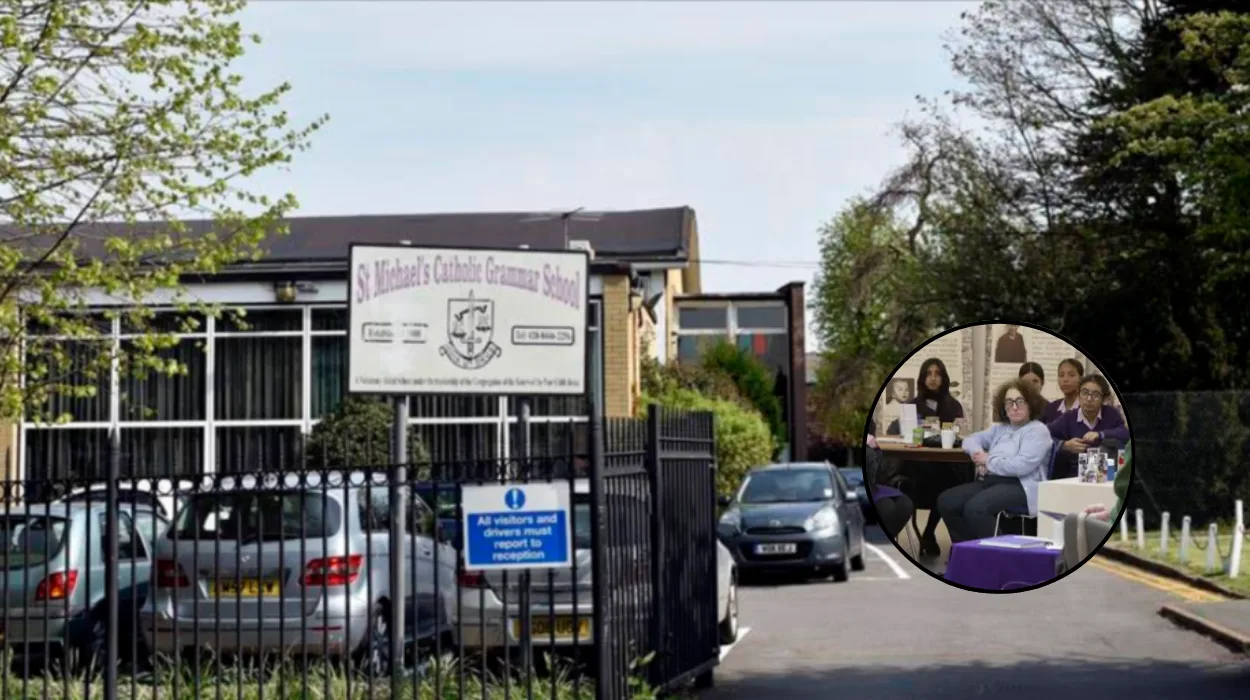
- Holocaust survivor Hedi Argent, aged 96, addressed Year 9 pupils from St Michael’s Grammar School in Barnet, north London, at Finchley Reform Synagogue.
- Hedi introduced her talk by saying, “I’m here to tell you the story of two children. Both children were Jews, and one of them was me.”
- She first learned about antisemitism at four years old, when it was explained to her that “people didn’t like Jews.”
- Born in Vienna in 1929 as an only child, Hedi was particularly close to her older cousin nicknamed Bubi, whom she described as “very kind” and “more like a big brother to me than a cousin.”
- At school, Hedi faced discrimination: she was pushed to the back of the classroom because she was Jewish, excluded from outings, teams, and plays, and called names like “filthy Jew” and “dirty Jew.”
- Following the Anschluss in 1938, when Nazi Germany annexed Austria, her father, a lawyer, lost his job overnight as his office was taken over.
- Hedi was expelled from school; the headmistress shouted publicly at the wrought-iron gates, “Go away, you’re expelled. We don’t want Jews in our school anymore.”
- Hedi’s story at the event focused on persecution, survival, and loss, more than 80 years after the liberation of concentration camps.
- Pupils were aware they were hearing a rare first-hand account as Holocaust survivors are now few in number.
- Hedi has shared her testimony widely, including online events organised by the National Holocaust Centre and Museum, such as a free live testimony on 30 January 2026.
- She is the author of “The Day The Music Changed: How I Became A Refugee From Nazi Europe,” aimed at primary and early secondary school students.
- Hedi holds honours including MBE or BEM and frequently speaks to school children about her experiences as a Jewish child refugee from Austria.
- In broader testimonies, Hedi has emphasised warning signs like economic hardship, unemployment, poor health, scapegoating of Jews, conspiracy theories, misinformation, and fake news in pre-war Germany.
Barnet, North London (North London News) January 27, 2026 – Holocaust survivor Hedi Argent captivated Year 9 pupils from St Michael’s Grammar School with a poignant first-hand account of her childhood amid rising antisemitism in Nazi-era Vienna, delivered at Finchley Reform Synagogue.
- Key Points
- Who is Hedi Argent and why did she speak to these pupils?
- What early experiences of antisemitism did Hedi describe?
- How did the Anschluss change Hedi’s family life?
- What is the significance of Hedi’s story today?
- Where else has Hedi Argent shared her testimony?
- Why is hearing from survivors like Hedi crucial for students?
- What books and events feature Hedi’s full story?
- How can schools book similar testimonies?
Who is Hedi Argent and why did she speak to these pupils?
Hedi Argent, now 96 years old, was born in Vienna in 1929 as an only child. She shared her story with the attentive Year 9 students from St Michael’s Grammar School in Barnet to pass on a direct testimony from a diminishing generation of Holocaust survivors, more than 80 years after the liberation of concentration camps.
As reported in the BBC article by an unnamed correspondent, Hedi began her address stating,
“I’m here to tell you the story of two children. Both children were Jews, and one of them was me.”
The event underscored the rarity of such living histories, with pupils acutely aware they were witnessing a personal recounting of a world that no longer exists.
Hedi Argent MBE has made sharing her experiences a lifelong commitment, including recent online testimonies organised by the National Holocaust Centre and Museum, such as a free live event scheduled for 30 January 2026 from 1:30pm to 2:30pm.
What early experiences of antisemitism did Hedi describe?
Hedi recounted first hearing about antisemitism at the age of four. “I was four years old when I first heard about antisemitism,” she told the pupils. “It was explained to me that people didn’t like Jews.”
At school, discrimination was overt and isolating, as detailed in the BBC coverage. She recalled,
“I was pushed to the back of the classroom because I was Jewish, and never being allowed to go on outings. I was never included in anything. I was never given a place in a team or a part in a play. I was called a filthy Jew, a dirty Jew.”
How did the Anschluss change Hedi’s family life?
The 1938 Anschluss, when Nazi Germany annexed Austria, marked a turning point, making life “impossible for Jewish families,” according to Hedi’s testimony reported by BBC News.
Her father, a lawyer, lost his livelihood immediately. “Her father lost his job as a lawyer overnight. His office was taken over and he was told to leave,” the BBC article notes from Hedi’s account.
Hedi herself faced expulsion from school in a public and humiliating manner.
“The headmistress was standing outside the wrought-iron gates of the school,”
she said.
“She shouted very loudly so everyone could hear, ‘Go away, you’re expelled. We don’t want Jews in our school anymore’.”
What is the significance of Hedi’s story today?
Speaking at Finchley Reform Synagogue, Hedi’s narrative wove together persecution, survival, and profound loss, as highlighted across multiple sources including BBC and AOL reports. With survivors dwindling, these encounters provide invaluable education for the next generation.
As per BBC reporting, Hedi reflects on contemporary parallels, warning of warning signs evident today. “Germany was in a dire situation back then,” she explains.
“There was rampant unemployment, poor health, and every conceivable hardship. They needed a scapegoat, and the Jews became the target.”
She adds,
“Conspiracy theories, misinformation, and fake news proliferated until they were accepted as truth.”
Hedi’s outreach extends beyond this event; she is a regular speaker to schoolchildren, as seen in accounts from Trevor-Roberts School where Medius and Transitus pupils attended an online talk, hearing about her Austrian upbringing, family, and journey to the UK.
Where else has Hedi Argent shared her testimony?
Hedi Argent has engaged thousands through various platforms. On 16 January 2025, over 3,000 primary school students from across England, Scotland, and Wales joined a live session with her as a Jewish child refugee, according to a Holocaust Educational Trust Facebook post.
In November 2024, Cllr Anne Clarke AM joined St Michael’s School students at the same Finchley Reform Synagogue venue to hear Hedi Argent BEM, as shared on Instagram.
“Very special to join students from St Michael’s School at Finchley Reform Synagogue… We heard from Hedi Argent BEM who came to Britain as a Jewish child refugee,”
The National Holocaust Centre and Museum has hosted Hedi in events like a 15 August 2023 testimony where she discussed her book
“The Day The Music Changed: How I Became A Refugee From Nazi Europe”
in conversation with a senior educator. The book targets primary and early secondary students, relevant amid modern refugee crises.
An article by Christian Cummins on Substack details Hedi’s career turning deadly childhood hate into a dedication to love in Britain.
Why is hearing from survivors like Hedi crucial for students?
These sessions combat forgetting, as pupils at St Michael’s Grammar School experienced a living link to history. Hedi’s story, from “unofficial antisemitism” pre-war Vienna to refuge, prompts reflection—what constitutes unofficial antisemitism, and how far did it permeate society? as posed in Holocaust Centre resources.
By sharing unfiltered memories, Hedi ensures the lessons of scapegoating and propaganda endure. Her talks, like the one in Barnet, foster empathy, vital as she noted in broader testimonies: refugees today share the same need for safety.
What books and events feature Hedi’s full story?
Hedi’s autobiography “The Day The Music Changed: How I Became A Refugee From Nazi Europe” captures her refugee journey, promoted in events like the 2023 National Holocaust Centre talk. It is recommended for young readers encountering peers fleeing persecution.
Upcoming: A free online testimony on 30 January 2026 via holocaust.org.uk. Past events include Q&A sessions with schools like Trevor-Roberts, where students queried her directly post-story.
How can schools book similar testimonies?
Organisations like the National Holocaust Centre and Museum facilitate live and online sessions with survivors like Hedi. Schools have accessed these, from primary masses to secondary groups, emphasising her Austrian roots and UK arrival.
In Barnet, the Finchley Reform Synagogue venue hosted local pupils, blending community and education. Such initiatives preserve history amid fewer survivors.
Hedi Argent’s voice, from Vienna’s shadows to north London’s classrooms, reminds us history’s echoes demand vigilance. Her Barnet address, rich in detail from expulsion to exclusion, stands as a testament to resilience, urging today’s youth to heed past perils.