Key Points
- Hendon constituency is identified as one of the areas with the highest risk of extreme heat in England, with 77% of households considered at enhanced risk.
- A total of 20 English constituencies have all their households flagged for high heat risk.
- Heatwaves in the UK are contributing to rising excess deaths, especially among vulnerable populations, such as the elderly and those with pre-existing health conditions.
- London, including Hendon, experiences higher numbers of heat-related deaths due to extreme temperatures and socio-economic factors.
- Climate change is increasing the intensity and frequency of heatwaves in the UK, affecting public health, infrastructure, and the economy.
- Calls for urgent adaptation and mitigation measures are growing to prepare for a future where heat-related deaths could exceed 10,000 annually by 2050.
- Reports warn that without effective adaptation, economic output in the UK could decline by up to 7% of GDP by 2050 due to climate change impacts.
What makes Hendon one of the constituencies most at risk of high heat?
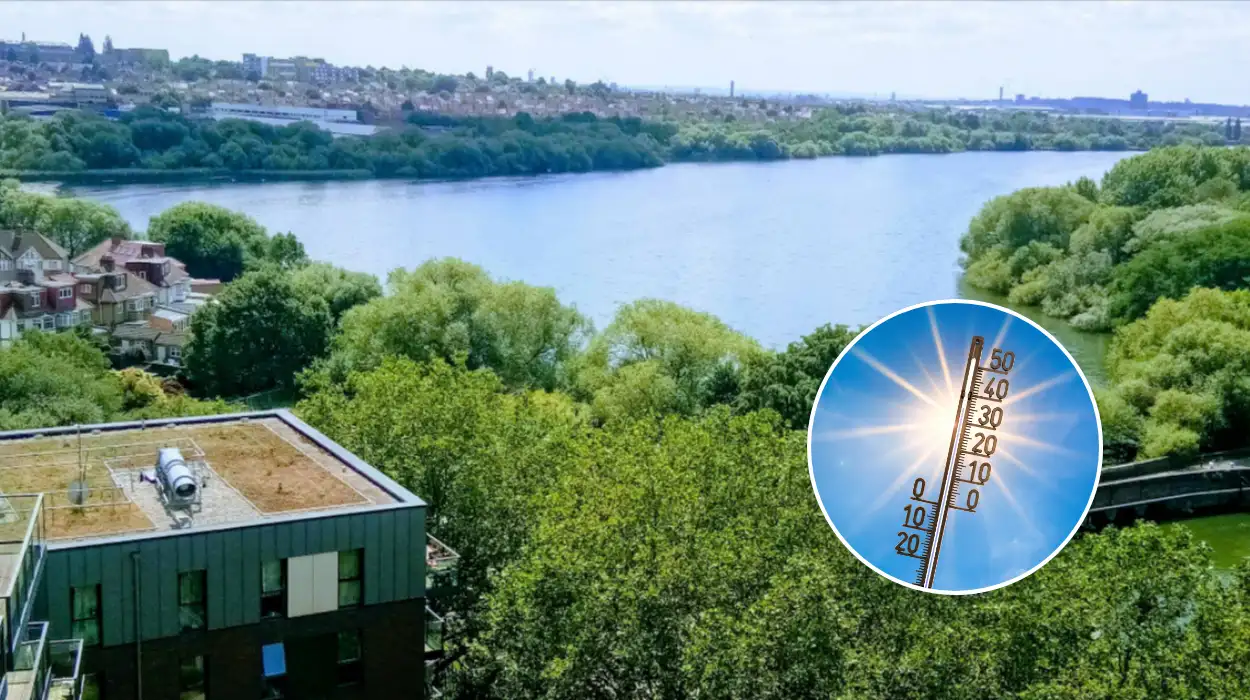
As reported by the Barnet Post on 25 October 2025, Hendon stands out with 77% of households classified as being at enhanced risk of high heat exposure. This places Hendon among the 20 English constituencies where every household is at significant risk of experiencing dangerously high temperatures. This classification is based on detailed analysis combining heat vulnerability factors like housing quality, demographic susceptibility, and exposure to high temperatures.
- Key Points
- What makes Hendon one of the constituencies most at risk of high heat?
- How severe is the health impact of recent and ongoing heatwaves in England?
- What does climate change mean for the frequency and intensity of heatwaves in the UK?
- How does the risk in London and Hendon compare to other UK areas?
- What are the predicted long-term impacts on public health and the economy?
- What are experts recommending to address these escalating heat risks?
How severe is the health impact of recent and ongoing heatwaves in England?
According to research shared by Mirage News on 20 June 2025, the recent heatwaves have had a deadly toll. Around 570 excess deaths were anticipated in England and Wales during a hot spell in June 2025, with London notably expected to suffer 129 of those deaths. Older adults—especially those aged 85 and above—and individuals with chronic health conditions are most severely affected. Dr Garyfallos Konstantinoudis from Imperial College London highlighted that “heatwaves are silent killers,” often not adequately recorded as causes of death despite their significant impact. The researchers warned that these events will worsen without strong mitigation measures.
What does climate change mean for the frequency and intensity of heatwaves in the UK?
The Climate Change Committee’s 2025 report to Parliament emphasized that the UK is experiencing unequivocal changes in weather, with warmer, drier summers and more intense heatwaves becoming the norm. England saw record-breaking temperatures exceeding 40°C in summer 2022, with nearly 3,000 heat-related deaths recorded. Climate change is accelerating the frequency and intensity of these events, putting vulnerable populations at greater risk and straining public health systems. The report warned that heat death numbers could soar to more than 10,000 annually by 2050 if action is not taken, driven by both rising temperatures and an ageing population.
How does the risk in London and Hendon compare to other UK areas?
London, particularly areas like Hendon, faces unique challenges due to the urban heat island effect, which elevates temperatures significantly compared to rural areas. Additionally, research outlined by the London School of Hygiene & Tropical Medicine noted that deprived areas often experience higher heat-related death rates due to factors like poorer housing and limited healthcare access. The urban density and socio-economic factors make constituencies like Hendon particularly vulnerable.
What are the predicted long-term impacts on public health and the economy?
The Climate Change Committee report and experts like Professor Antonio Gasparrini and Dr Malcolm Mistry warn of escalating public health crises tied to heatwaves, including hospital strain, reduced workforce productivity, and increased mortality. Economic models predict unchecked climate change could lower UK GDP by up to 7% by 2050 due to the cumulative effects of extreme weather on infrastructure, labour, and health. Experts stress that without prompt and substantial adaptation, the risks to prosperity and well-being will deepen.
What are experts recommending to address these escalating heat risks?
The experts from LSHTM and Imperial College urge urgent development of heat-health adaptation strategies, including improved early warning systems, better housing and urban planning to alleviate heat exposure, and targeted support for vulnerable groups like the elderly. Public awareness campaigns emphasizing heat-health advice, particularly during summer heatwaves, are critical. The UK government’s climate advisers have also called for preparing for at least 2°C of warming by 2050 to mitigate the worst outcomes, requiring both mitigation of fossil fuel emissions and robust national adaptation plans.
Hendon is currently among the English constituencies most at risk from extreme heat impacts, highlighting a broader trend of increasing temperatures and associated health challenges across the UK, primarily driven by climate change. The convergence of demographic vulnerability, urban environmental factors, and rising temperatures is already leading to considerable excess deaths and strains on health infrastructure. Experts and climate reports underscore the urgent necessity for swift, large-scale adaptation and mitigation efforts to safeguard public health and economic stability throughout the coming decades.