Key Points
- Labour has lost overall control of Brent Council after the 2026 local election results.
- Before the vote, Labour held 44 of the 57 seats, while the Conservatives had 6, the Liberal Democrats 3 and the Greens 5.
- The published Brent results show Labour on 26 seats, the Conservatives on 11, the Liberal Democrats on 11 and the Greens on 9, with turnout at 34.17%.
- Cllr Muhammed Butt has been the Brent Council leader for 14 years, and Liberal Democrats have called on him to step aside after the result.
- The Liberal Democrats say the election was a rejection of the current leadership and argue that local people “want change”.
Brent Council (North London News) May 13, 2026, local election results left Labour without overall control of the borough council, as political opponents moved to question his future in the role.
Labour’s loss marks a sharp shift in the balance of power in Brent, where the party had gone into the election holding a clear majority of the 57-seat council. The outcome has prompted the Liberal Democrats to call for a change at the top of the authority, with the party saying the result shows residents want a new direction.
What did the Brent election results show?
The results published by Brent show Labour winning 26 seats, the Conservatives 11, the Liberal Democrats 11 and the Greens 9. That leaves no single party with overall control, ending Labour’s previous dominance of the council.
Going into the election, Labour held 44 seats, giving it a substantial majority over the opposition parties. The new distribution means decision-making in the council is now likely to depend on negotiation, cooperation or formal agreements between parties.
Explore More Brent Council News
Brent 2026: Labour Loses Council Control to Lib Dems, Cons, Greens; Brent 2026
Brent politicians visit No 10 over gambling shops | Brent 2026
Why are Liberal Democrats calling for change?
As reported by MyLondon’s coverage of the issue, the Brent Liberal Democrats have urged Cllr Muhammed Butt to “step aside” after the election result.
The party’s position is that the outcome reflects a clear message from voters and should lead to a change in leadership.
The Liberal Democrats also argued that local people “want change”, placing their criticism directly on the long-serving council leader. The party has framed the result as a rejection of the current political direction in Brent.
Who is Muhammad Butt?
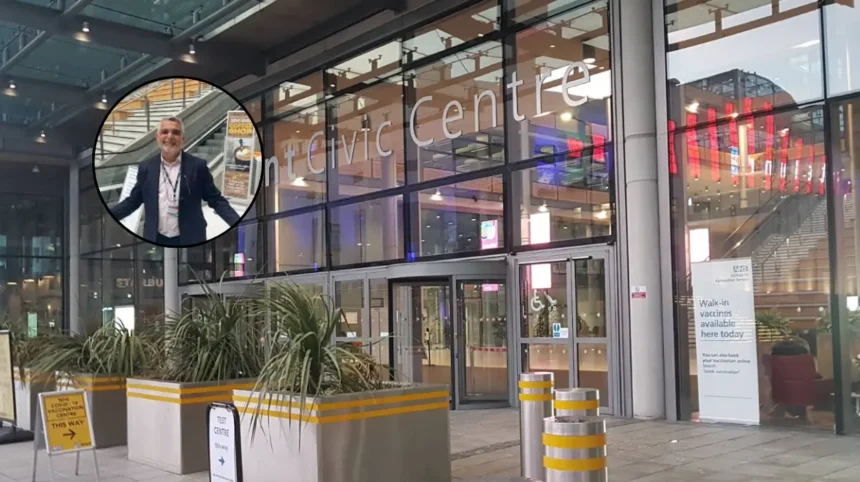
Cllr Muhammed Butt is listed by Brent Council as a councillor based at Brent Civic Centre in Wembley. He is also identified in the reporting as the leader of Brent Council, a post he has held for 14 years.
That length of service has become central to the current debate, because opponents are now linking the election result to the question of whether long-term leadership should continue after Labour’s loss of control.
The pressure on Butt is therefore not only about the numbers on the council, but also about the political message that followed them.
How significant is Labour’s loss?
Labour’s setback is significant because it moved the party from a strong majority to a position where it cannot govern Brent on its own.
The change also matters because the council’s composition now gives the opposition parties far more influence than before.
The published results also show a relatively low turnout of 34.17%, which means the outcome was decided in an election where just over a third of eligible voters participated.
That level of turnout is relevant to the wider political debate because it affects how parties interpret the mandate behind the result.
What happens next in Brent?
At this stage, the key issue is whether Labour will keep Cllr Butt in post or face growing internal and external pressure to replace him.
Since no party has overall control, Brent Council’s next phase is likely to involve political negotiation and more contested decision-making.
The Liberal Democrats’ intervention suggests the leadership question will remain part of the local political conversation in the coming days.
The election result has created a council environment in which alliances and leadership choices may matter as much as vote totals.
Background of the development
Brent has been under Labour leadership for years, with the party holding a dominant position before the 2026 vote. The latest election changed that balance by removing Labour’s overall control and producing a more fragmented council.
Cllr Muhammed Butt’s long tenure has now become a focal point because political opponents are connecting his leadership to Labour’s weakened position.
The debate is taking place against the background of a council that now has no outright majority holder, which is a major shift from the position before polling day.
Prediction for residents
For Brent residents, this development could mean slower but more negotiated decision-making at the council level, because no single party can now impose its agenda alone. It may also lead to more visible political bargaining between parties as they try to shape budgets, local services and council leadership.
If the pressure on Cllr Butt grows, residents may see a leadership change become part of the wider response to Labour’s election result. If he remains in place, the council will still have to find a way to operate without overall control, which could make consensus more important in the months ahead.