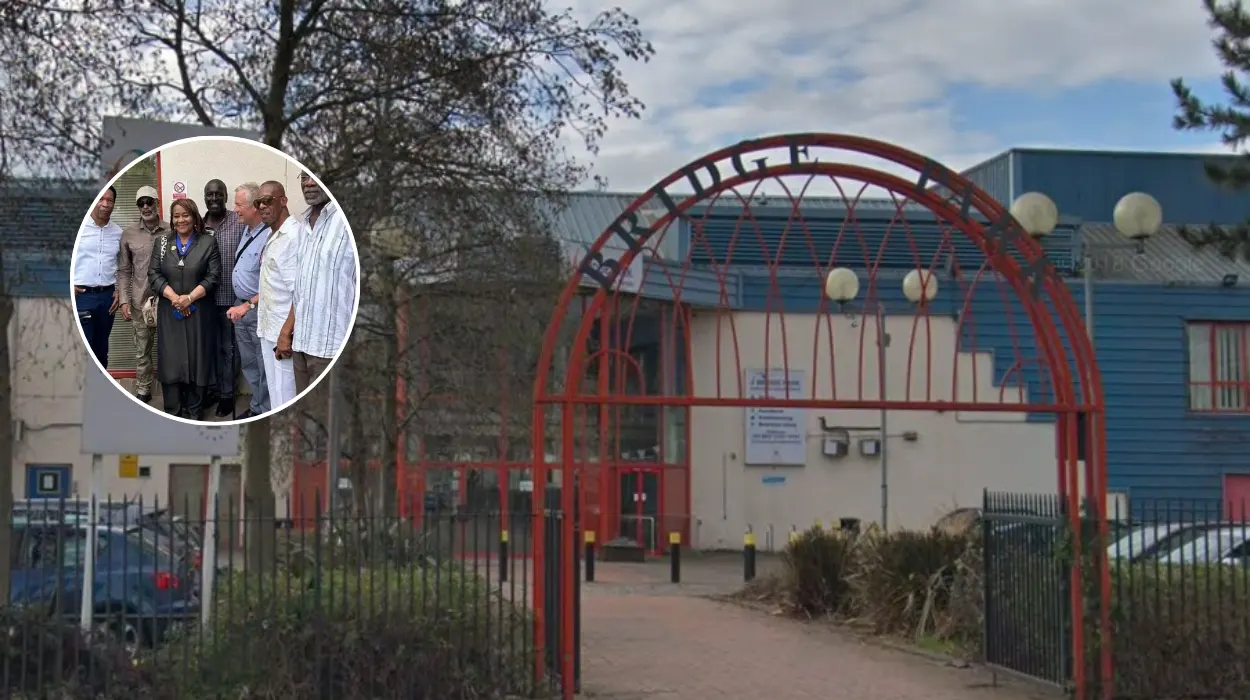
- Historic England has rejected a campaign to list Bridge Park Community Centre as a building of historic interest, despite its pivotal role in London’s Black heritage as once Europe’s largest Black-led community enterprise.
- Brent Council, in partnership with Stonebridge Real Estate Development Limited, is advancing a £600 million redevelopment of the Hillside Corridor site, including demolition of the existing Bridge Park Leisure Centre and Community Centre.
- The plans encompass 1,000 new homes, a hotel, a public park, and a brand-new state-of-the-art leisure centre.
- The campaign group opposing the demolition highlighted the site’s historical significance, featuring business units, workshops, a sports hall, and a theatre that supported Black community initiatives.
- Controversy centres on whether the site’s Black history is being undervalued, with critics arguing that its cultural importance outweighs the need for redevelopment.
What is the Bridge Park Community Centre’s Historical Significance?
Bridge Park Community Centre has long stood as a cornerstone of Black heritage in London. Established as a hub for community activities, it housed business units, workshops, a sports hall, and a theatre, fostering enterprise and cultural expression within the Black community.
- What is the Bridge Park Community Centre’s Historical Significance?
- Why Did Historic England Reject the Listing Bid?
- What Does the £600m Redevelopment Plan Entail?
- Who Are the Key Players in This Controversy?
- How Has the Campaign Group Responded to the Rejection?
- What Broader Context Surrounds London’s Black Heritage Sites?
- Is the New Leisure Centre a Suitable Replacement?
- What Are the Economic and Social Impacts of the Redevelopment?
- Will There Be Any Legal Challenges Ahead?
- How Does This Fit into Brent Council’s Wider Agenda?
- What Lessons Can Be Drawn for Future Heritage Protections?
- Public Reaction and Next Steps
Campaigners emphasised its status as Europe’s largest Black-led community enterprise, a claim underscoring its unparalleled scale and impact. As detailed in MyLondon’s coverage by Rachel Seguela, the centre’s role in London’s Black history cannot be overstated, with links to broader narratives of the city’s first Black residents and their contributions.
The site’s importance extends to its facilitation of sports, arts, and business opportunities, making it a vital space for empowerment and social cohesion.
Why Did Historic England Reject the Listing Bid?
Historic England, the body responsible for designating buildings of special architectural or historic interest, chose not to add Bridge Park to the National Heritage List for England. This decision came despite submissions highlighting the centre’s cultural weight.
According to the MyLondon article by Rachel Seguela, Historic England’s assessment concluded that the building did not meet the criteria for listing, prioritising factors such as architectural merit and historical evidential value over community significance alone.
Campaigners, however, argue that this overlooks intangible heritage values, particularly those tied to Black history, which they believe warrant protection.
What Does the £600m Redevelopment Plan Entail?
Brent Council unveiled the redevelopment last year in collaboration with Stonebridge Real Estate Development Limited. The Hillside Corridor project targets the Bridge Park site as its focal point.
Key components include:
- Demolition of the existing Bridge Park Leisure Centre and Community Centre.
- Construction of 1,000 new homes to address housing needs in the area.
- A new hotel to boost tourism and local economy.
- A public park for community recreation.
- A cutting-edge leisure centre replacing the old facility, promising modern amenities.
As reported by Rachel Seguela of MyLondon, Brent Council stated that the investment forms part of a wider regeneration effort to transform the area, delivering “much-needed homes, jobs, and improved facilities.”
Stonebridge Real Estate Development Limited has echoed this, positioning the project as a comprehensive uplift for the community.
Who Are the Key Players in This Controversy?
Brent Council leads the charge, having revealed the partnership and plans in the previous year. The local authority views the redevelopment as essential for housing and infrastructure.
Stonebridge Real Estate Development Limited, the private developer, is funding and executing the £600m vision alongside the council.
The unnamed campaign group spearheaded the listing effort, drawing attention to the site’s Black heritage. Their failure marks a setback, but they continue to voice concerns over cultural erasure.
Historic England delivered the pivotal rejection, basing it on statutory criteria.
Rachel Seguela of MyLondon quoted campaigners warning that “demolishing the North London building would erase a key piece of Black history,” underscoring the emotional stakes.
How Has the Campaign Group Responded to the Rejection?
The campaign group expressed deep disappointment, framing the decision as undervaluing Black history. They highlighted the centre’s unique features—business units nurturing entrepreneurship, workshops for skills development, a sports hall for youth engagement, and a theatre for cultural performances.
As per MyLondon’s reporting by Rachel Seguela, the group argued that the site’s demolition would sever ties to an era when it stood as Europe’s premier Black-led enterprise, a beacon for community-led initiatives.
No further legal challenges have been announced, but the group has amplified calls for recognition through media and public discourse.
What Broader Context Surrounds London’s Black Heritage Sites?
London’s Black history weaves through numerous sites, from the stories of early Black residents to post-war community hubs like Bridge Park. MyLondon has covered related topics, such as the “incredible life of London’s first Black residents,” illustrating a rich tapestry often at risk from urban development.
Campaigners draw parallels to other undervalued sites, questioning whether heritage protections adequately reflect diverse histories. The Bridge Park case exemplifies tensions between regeneration and preservation.
Is the New Leisure Centre a Suitable Replacement?
Proponents argue the new leisure centre will surpass its predecessor, offering advanced facilities for sports and community use. Brent Council has promised it will serve as a modern anchor for the Hillside Corridor.
Critics, however, contend that no new build can replicate the historical and cultural resonance of the original. As Rachel Seguela noted in MyLondon, the loss extends beyond bricks and mortar to the erasure of a space synonymous with Black achievement.
The hotel and park additions aim to enhance livability, but questions linger over whether they honour the site’s legacy.
What Are the Economic and Social Impacts of the Redevelopment?
The £600m injection promises economic boosts, including construction jobs, ongoing employment at the hotel and leisure centre, and increased local spending from new residents. Brent Council anticipates the 1,000 homes will ease housing pressures in a borough facing high demand.
Socially, the project could revitalise the area, with the park providing green space amid urban density. Yet, opponents fear displacement of existing communities and dilution of cultural identity.
Stonebridge Real Estate Development Limited has committed to community benefits, though specifics remain tied to planning approvals.
Will There Be Any Legal Challenges Ahead?
With Historic England’s rejection, the primary barrier to demolition lifts. No immediate legal actions from the campaign group are reported in available coverage.
MyLondon’s Rachel Seguela indicated the plans “can move ahead,” suggesting smooth progression barring unforeseen objections. Brent Council must still navigate full planning permissions, where heritage concerns could resurface.
How Does This Fit into Brent Council’s Wider Agenda?
Brent Council positions the Hillside Corridor as a flagship regeneration scheme, aligning with borough priorities for housing delivery and infrastructure renewal. The authority has faced similar debates in other projects, balancing growth with heritage.
As per official statements cited by MyLondon, the council views the partnership with Stonebridge as delivering “transformational change” for residents.
What Lessons Can Be Drawn for Future Heritage Protections?
This saga highlights challenges in safeguarding community-led heritage, especially for marginalised histories. Campaigners urge reforms to listing criteria, advocating greater weight for social and cultural significance.
Historic England’s process remains rigorous, but cases like Bridge Park fuel debates on inclusivity. Broader media coverage, including MyLondon’s, amplifies these voices, potentially influencing policy.
Public Reaction and Next Steps
Local reactions split along lines of progress versus preservation. Supporters welcome housing and facilities; detractors mourn a cultural loss.
Next steps involve detailed planning submissions, public consultations, and construction timelines. Brent Council and Stonebridge aim for swift advancement, with the new leisure centre as a centrepiece.