Key Points
- Retail Expansion: Hammerson has secured new leases with global beauty giant Sephora and lifestyle brand Hollister for the Brent Cross shopping centre.
- Store Specifications: Sephora UK will occupy a 4,500 sq ft unit, while Hollister has committed to a larger 6,500 sq ft space.
- Strategic Objective: The move is part of Hammerson’s ongoing “city quarters” strategy to curate high-demand brands and increase footfall by modernising its retail assets.
- Tenant Diversification: These additions follow a series of recent leasing successes at Brent Cross, aimed at balancing experiential retail with established fashion and beauty staples.
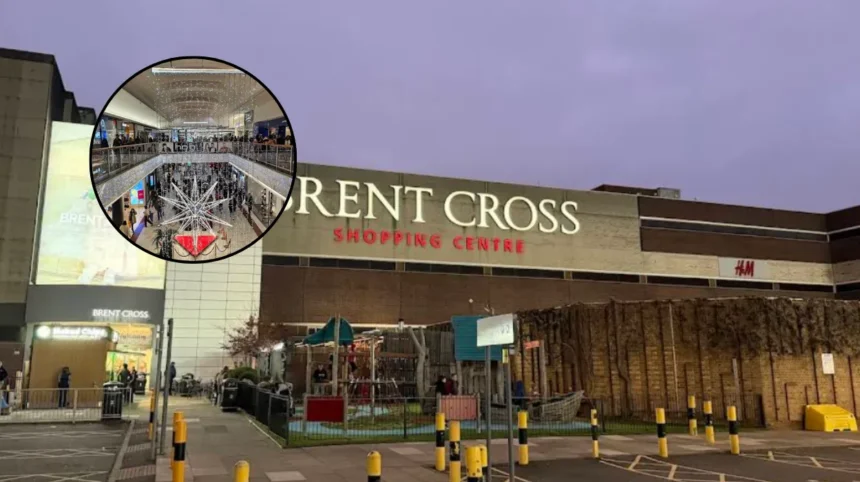
Brent Cross (North London News) August 19, 2026 — Hammerson has officially confirmed the addition of two major international retailers, Sephora UK and Hollister, to its flagship Brent Cross shopping centre portfolio. These new lettings represent a significant step in the landlord’s effort to reposition the North London destination as a premium hub for beauty, wellness, and lifestyle fashion. The arrival of these brands, which are set to open in the coming months, underscores a broader trend of “flight to quality” among major institutional landlords who are prioritising high-performing, experience-led tenants to drive consumer engagement in the post-pandemic retail climate.
- Key Points
- Which retailers are joining the Brent Cross shopping centre?
- Why is Hammerson investing in the Brent Cross retail mix?
- How does this move impact the wider North London retail market?
- What is the background of this particular development?
- How will this development affect the local economy and shoppers?
Which retailers are joining the Brent Cross shopping centre?
The expansion of the Brent Cross retail line-up focuses on two distinct segments of the consumer market: luxury beauty and casual youth fashion. Sephora UK, the prestige beauty retailer owned by LVMH, has signed for a 4,500 sq ft store. This follows a period of aggressive UK expansion for the French brand, which has sought to establish physical footprints in prime shopping centres to complement its digital presence.
Joining Sephora is Hollister, the Abercrombie & Fitch-owned lifestyle brand, which has committed to a 6,500 sq ft unit. The brand, known for its Southern California-inspired casualwear, has been a staple in UK shopping centres for over a decade. By securing these two tenants, Hammerson is effectively strengthening the centre’s appeal to both the Gen Z demographic and beauty enthusiasts who typically seek out experiential in-store services, such as beauty consultations and product testing, which cannot be fully replicated online.
Why is Hammerson investing in the Brent Cross retail mix?
The decision to bring in Sephora and Hollister aligns with Hammerson’s “city quarters” strategy. This corporate framework seeks to transform traditional shopping centres into multi-purpose destinations that blend retail, dining, and leisure. According to recent investor disclosures from Hammerson, the goal is to reduce reliance on legacy department stores and replace them with high-frequency, “aspirational” brands that draw consistent footfall.
Brent Cross, which has served as a cornerstone of North London retail since the 1970s, is currently undergoing a multi-phase evolution. The management team has been actively curating a tenant mix that encourages “dwell time”—the amount of time a shopper spends on-site. By introducing brands with high social media visibility, such as Sephora, the centre aims to remain relevant to younger consumers who increasingly view physical shopping as a social activity rather than a purely transactional necessity.
How does this move impact the wider North London retail market?
The addition of these brands is expected to intensify competition for regional spending. With other nearby retail hubs—such as Westfield London and smaller high-street developments—constantly vying for market share, the arrival of exclusive or high-demand brands at Brent Cross acts as a defensive measure. Market analysts observe that landlords are currently engaging in “tenant clustering,” where complementary brands are grouped together to create “zones” of activity. In this case, the addition of beauty and fashion anchors helps stabilise the centre’s ecosystem, making it more resilient to economic fluctuations.
What is the background of this particular development?
Brent Cross has been a significant focal point for urban regeneration in the UK for over a decade. Historically, the centre was defined by large-scale anchor stores like John Lewis and Fenwick. However, the structural decline of the traditional department store model across the UK necessitated a shift in strategy for its owner, Hammerson.
In recent years, Hammerson has faced significant challenges, including a high debt load and the devaluation of its shopping centre assets. As a result, the company pivoted toward a “divest and reinvest” approach. The firm has been offloading non-core assets to focus on “flagship” destinations where they can influence the tenant mix more aggressively. The Brent Cross expansion is a direct manifestation of this plan.
The strategy has also been influenced by the wider “Brent Cross Cricklewood” regeneration project, a massive multi-billion-pound initiative aimed at creating a new town centre. While the shopping centre itself is a separate entity from the broader housing and infrastructure development, the two are inextricably linked in terms of long-term commercial planning. Hammerson’s ability to attract modern global brands is essential for maintaining the centre’s status as a primary commercial anchor for the future neighbourhood.
How will this development affect the local economy and shoppers?
For the local consumer, the development signals a move toward a more curated, “premium-mass” shopping environment. Shoppers in North London can expect shorter travel times to access brands that previously required a trip into Central London or the major Westfield hubs.
For the local economy, the impact is twofold:
- Employment: The two new stores will create several dozen permanent retail and management positions, contributing to the local employment rate.
- Footfall and Multiplier Effect: The presence of high-draw brands typically creates a “multiplier effect.” Shoppers visiting Sephora or Hollister are statistically more likely to visit surrounding cafes, restaurants, and other retailers, thereby increasing the overall economic velocity within the centre.
- Competitive Pressure: Smaller, independent retailers in nearby high streets (such as Finchley or Golders Green) may face increased pressure to differentiate their offerings as residents are drawn to the convenience and brand variety offered by a revitalised Brent Cross.
Ultimately, this development serves as a litmus test for Hammerson’s ability to remain competitive. If these new stores successfully translate brand awareness into sustained sales, it is likely that further phases of tenant upgrading will follow, cementing Brent Cross’s position as a dominant retail destination in the capital.