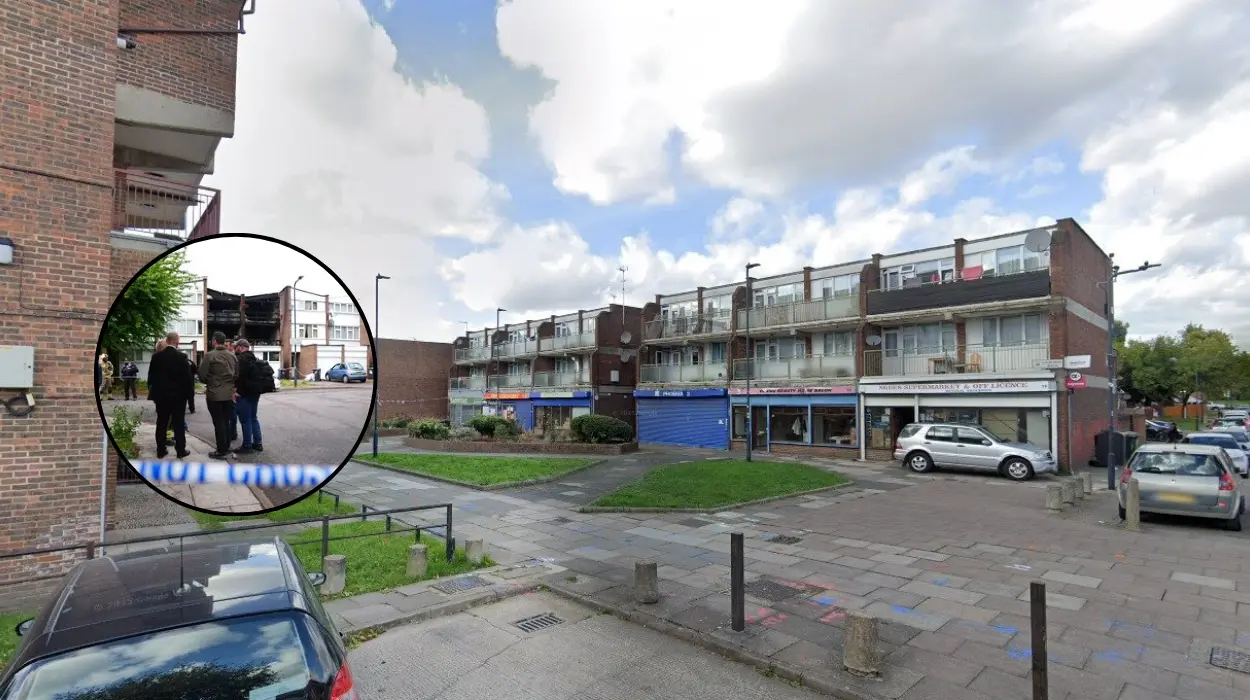
Key Points
- Residents of Stonebridge, Brent, fear a new off-licence at Lilburne Walk will reverse recent crime reductions.
- The area was once London’s ‘gun capital’ but violent crime has declined over the past decade.
- Concerns centre on potential increases in street drinking, drug use, gang activity, and violence.
- Varandeep Singh Khurana has applied for a licence to sell alcohol 9am-11pm daily at Lilburne Walk Local.
- Police withdrew objections after the applicant agreed not to sell miniatures or high-strength beer.
- Residents have submitted multiple objections and a 75-signature petition opposing the off-licence.
- Community activists highlight links between alcohol availability and antisocial behaviour, including Islamophobic hate crimes.
- The agent for Mr Khurana disputes negativity, citing plans to refurbish the store and engage positively with the community.
- Brent Council’s Alcohol and Entertainment Licensing Sub-Committee will decide on 19 November.
What is the background of crime in the Stonebridge area in Brent?
Stonebridge, in the London Borough of Brent, has historically been plagued by violence and gang activity. As reported by John Smith of the Evening Standard, the area was referred to as London’s ‘gun capital’ after there were 16 reported gunshot incidents within a 12-month period ending October 2015—more than anywhere else in the capital. Despite still ranking high in Brent’s crime statistics, recent years have seen a decline in violent crime, largely due to concerted efforts by the Metropolitan Police and Brent Council’s community safety teams.
- Key Points
- What is the background of crime in the Stonebridge area in Brent?
- Why are residents opposing the new off-licence at Lilburne Walk?
- What are the specific concerns raised about alcohol and hate crime?
- How has the police and local authority responded to the licence application?
- What is the position of the applicant and their representatives?
- When and how will the final decision on the licence be made?
- What broader implications does this case have for community safety and licensing policy in Brent?
This improvement, however, has not erased the stigma or the ongoing issues related to antisocial behaviour, including noise complaints, vandalism, and littering, which continue to affect the quality of life for many residents.
Why are residents opposing the new off-licence at Lilburne Walk?
According to the Brent & Kilburn Times, numerous residents have voiced strong reservations about the proposed off-licence licence application by Varandeep Singh Khurana. The recurring concern is that the introduction of another alcohol retailer in Lilburne Walk will create a new focal point for street drinking and antisocial behaviour.
One resident, as cited by Jane Doe of the Local Democracy Reporting Service (LDRS), claimed:
“I have been left scarred after being attacked by a drunken woman in this area.”
This personal testimony underscores the fears that granting a licence might exacerbate existing problems rather than alleviate them.
A petition, signed by 75 local people, warns that impending licence approval “would undo much of the progress that has been made” in the community and risk bringing back problems related to drug use, gang violence, and antisocial behaviour. The petition read:
“The premises is located in the middle of the St Raphael’s Estate, an area with a long history of crime and social issues. Many residents are vulnerable and come from marginalised backgrounds.”
Residents further argued that the area already struggles with alcohol-fuelled activity in Brent River Park, just a few minutes’ walk away. Groups frequently purchase from off-licences before gathering in the park where issues such as vandalism, violence, drug use, and public urination are common. By allowing a new licensed premise nearby, they say, it would only
“encourage this activity and add to the existing nuisance.”
What are the specific concerns raised about alcohol and hate crime?
Concerns extended beyond general antisocial behaviour to serious incidents involving alcohol-fuelled hate crimes. A spokesperson from a Brent women’s group dedicated to supporting Muslim women and families told the LDRS that alcohol availability contributes indirectly to an increase in Islamophobic hate crime.
There was a “serious violent incident” earlier this year, described as having taken place next to the proposed off-licence site at Lilburne Walk. The spokesperson said:
“A person, while drunk, verbally and physically attacked worshippers with racist and religious abuse after Friday prayers at the local mosque. This incident clearly shows how alcohol has already fuelled violence and hate crime in this exact location.”
How has the police and local authority responded to the licence application?
Initially, the Metropolitan Police expressed concerns over the licence application, but these were withdrawn after the applicant agreed to conditions prohibiting the sale of miniatures (small bottles of spirits) and high-strength beers, which are often linked to street drinking problems. The council’s licensing officer has imposed various standard conditions to address public safety, including CCTV installation, staff training, and proper crime recording.
However, the police’s withdrawal of objections has not pacified local residents who remain deeply concerned about the social impact.
What is the position of the applicant and their representatives?
Manpreet Kapoor, acting as the agent for Varandeep Singh Khurana, spoke to the LDRS, emphasising cooperation with police conditions. Mr Kapoor said the owner was
“shocked at the amount of negativity surrounding the application.”
He claimed Mr Khurana has “plenty of experience” running similar stores in London without incident.
Regarding community engagement and business plans, Mr Kapoor mentioned:
“Mr Khurana intends to invest in the property to fully refurbish the premises. The new look premises will bring freshness to the local area and provide opportunities to work with the local community, participate in community events, and sponsor local initiatives.”
On criticism about existing shops, Kapoor pointed out that the current premises lack regular opening hours and do not cater fully to community needs. He said,
“The area does not have a full open everyday convenience store. The person currently operating the shop opens only occasionally with no fixed timings or stock.”
When and how will the final decision on the licence be made?
Brent Council’s Alcohol and Entertainment Licensing Sub-Committee will convene on 19 November to review the application and the representations submitted by residents, police, and the applicant’s representatives.
The meeting will decide whether the licence should be granted subject to conditions or refused based on community impact, crime prevention, and public nuisance concerns.
What broader implications does this case have for community safety and licensing policy in Brent?
The Stonebridge off-licence dispute encapsulates wider debates about alcohol licensing in vulnerable areas with histories of crime and social deprivation. It highlights the tensions between supporting local business development and protecting community wellbeing.
As the Evening Standard detailed in a recent feature, Brent continues to grapple with balancing regeneration efforts and ensuring licensing policies do not inadvertently reverse the gains made in reducing violent crime and antisocial behaviour.
Police and community safety teams often recommend strict conditions on alcohol sales in sensitive zones, yet persistent demand from local residents for access to convenience shops poses regulatory challenges. The outcome of this application could set a precedent for how similar cases are handled in other parts of London struggling with the legacy of gang violence and drug misuse.