Key Points
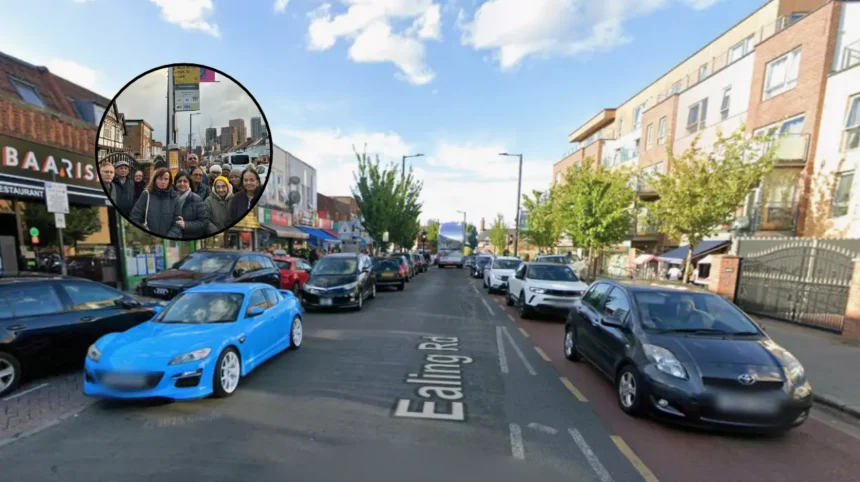
- Severe Social Isolation: Elderly residents in Wembley, North London, report feeling “socially isolated” and trapped in their homes due to the prolonged suspension of local bus stops caused by ongoing roadworks on Ealing Road.
- Lack of Replacement Stops: Transport for London (TfL) suspended the bus stop opposite ongoing utility works without providing a temporary or replacement bus stop nearby, leaving the next operational stop over half a kilometre away.
- Essential Impact: Local pensioners state they are forced to choose between missing crucial hospital appointments or taking expensive taxis, while routine trips to local food shops and religious places of worship like temples have become severely restricted.
- Seasonal Timing: Residents highlight that the disruption recurs annually and routinely coincides with major winter cultural and religious events, including the festival season of Diwali.
- Calls for Council Action: Local elected representatives and community groups have demanded better coordination of utility works by Brent Council to end multi-road gridlock across Wembley, Alperton, and Sudbury.
Wembley (North London News) November 5, 2026 – As reported by Louis Dargavel Corbett of the Local Democracy Reporting Service (LDRS), groups of North London pensioners have raised severe concerns over ongoing roadwork infrastructure projects that have left them “socially isolated” for months due to the removal of essential bus stops without temporary alternatives.
Residents living in the vicinity of Ealing Road, Wembley, met with the Local Democracy Reporting Service to express their growing frustration over utility works managed by Cadent Gas, which are scheduled to run until December 2026. Transport for London (TfL) has taken the local bus stop—notably the Stanley Avenue bus stop on Ealing Road—out of operation for the duration of the works, forcing elderly residents to walk more than half a kilometre to access the nearest functioning public transport link.
As detailed in the LDRS report, 74-year-old local resident Gauri Jani highlighted the daily toll the closures have taken on vulnerable members of the community. Ms Jani stated that
“we are really finding it difficult to go to the shop; even going to the temple is very difficult. For hospital appointments, it’s become a winter habit for two or three months. Coming to the temple is really, really difficult.”
Local residents explained that the disruption has turned into an annual occurrence, frequently coinciding with the onset of the winter months and major cultural festivals such as Diwali. Due to the physical difficulty of walking to alternative stops in colder weather, many pensioners have reported relying on costly private taxis to travel to medical facilities or complete essential food shopping.
As further reported by the Local Democracy Reporting Service, local councillors and community representatives in the London Borough of Brent have called for vastly improved coordination of highway works. Concerns have been raised regarding simultaneous closures across major corridors—including Ealing Road, Wembley High Road, Bridgewater Road, and Harrow Road—which have created widespread traffic congestion and disrupted local public transport infrastructure.
What is the background of this particular development?
Background of the Development
The infrastructure works on Ealing Road are part of ongoing major utility replacement projects carried out by Cadent Gas to upgrade gas supply networks across the London Borough of Brent. Due to the narrow roadway design and safety requirements surrounding heavy excavation equipment, Transport for London (TfL) routinely suspends bus stops located directly adjacent to active construction zones.
In suburban areas such as Wembley, Ealing Road serves as a vital arterial route connecting residential neighborhoods to commercial districts, health centres, and places of worship. In previous years, temporary roadside bus stops were frequently installed during utility maintenance. However, owing to spatial restrictions, traffic flow management, and street safety guidelines implemented during current works, no temporary replacement stop was established for the Stanley Avenue location, creating a gap of over 500 metres between operational stops.
In response to the recurring disruption, local community members and ward representatives have petitioned Brent Council to enforce stricter roadwork permit conditions, mandate temporary transport accommodations for elderly or mobility-impaired residents, and implement stronger oversight between utility providers and TfL.
How will this development affect local residents and vulnerable transport users?
Prediction: Impact on Affected Stakeholders
This development is likely to have immediate and medium-term impacts across several key areas:
- Increased Financial Burden on Elderly Residents: Without a nearby bus stop, affected pensioners who rely on free or subsidized public transport (such as the Freedom Pass) will face sustained out-of-pocket costs for private taxis or rideshare services to attend medical appointments and carry out basic tasks.
- Exacerbated Social and Physical Isolation: During the winter months, extended walking distances across disrupted pavements elevate the risk of slip-and-fall injuries for elderly residents. This physical barrier is expected to keep more individuals confined to their homes, heightening social isolation and reducing community participation during seasonal cultural events.
- Heightened Scrutiny on Local Highway Management: Brent Council and Transport for London will likely face increased pressure from civic groups and local political representatives to reform utility permit protocols, ensuring future major roadworks mandate compulsory pedestrian and public transport mitigations prior to site approval.