Key Points
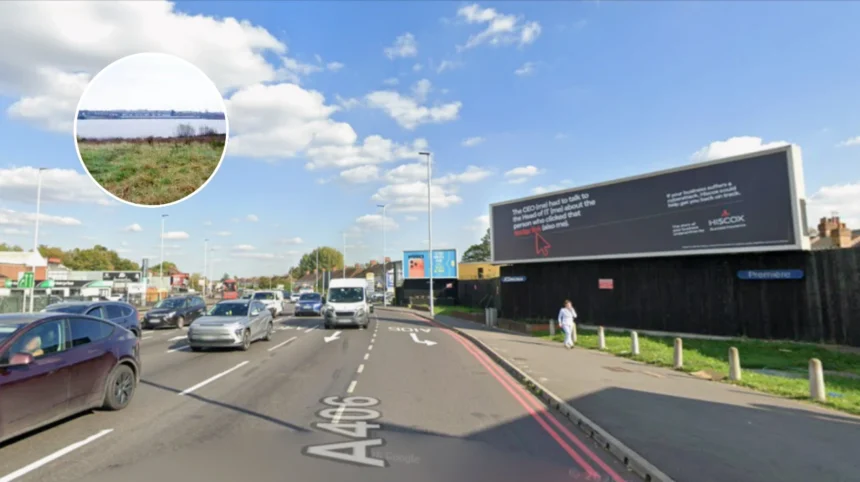
- A woman died in hospital after entering the Brent Reservoir, also known as the Welsh Harp, a popular green space near the North Circular in Brent, North London.
- Police were called to the scene at around 4.40pm on Monday, March 2, 2026.
- The incident involved the woman entering the reservoir, leading to her being recovered and rushed to hospital.
- Despite medical efforts, she was pronounced dead at the hospital later that day.
- The Welsh Harp is an open space containing Brent Reservoir, a significant environmental and recreational site.
- No further details on the woman’s identity, age, or circumstances leading to her entering the water have been released by authorities.
- Police enquiries are ongoing, with no suspicion of foul play mentioned in initial reports.
- The incident has prompted local concern over safety at the reservoir, a known beauty spot used for watersports and walking.
Brent (North London News) March 4, 2026 – A woman has died in hospital after entering the Brent Reservoir, known locally as the Welsh Harp, prompting a police response at this popular North London green space near the North Circular. Emergency services were called to the scene at around 4.40pm on Monday, where the woman was recovered from the water and transported to a nearby hospital. Despite treatment, she was tragically pronounced dead later that evening, as first reported in the Kilburn Times.
This incident marks a sombre moment for the Brent community, where the Welsh Harp serves as a vital recreational area encompassing the expansive Brent Reservoir. The reservoir, straddling the border between Brent and Barnet, is a Site of Special Scientific Interest (SSSI) cherished for its biodiversity and leisure activities including sailing, angling, and birdwatching. Local authorities have yet to issue an official statement beyond confirming the emergency call-out, but the event has reignited discussions on water safety in public open spaces.
What Happened at the Welsh Harp on March 2?
Police received the emergency call at precisely 4.40pm on March 2, 2026, to reports of a woman entering the reservoir at the Welsh Harp open space. As detailed by the Kilburn Times in their initial coverage, titled
“Woman dies in hospital after entering reservoir in Brent,”
officers attended the scene near the North Circular, a major road artery in North West London. The woman was swiftly recovered from the water by emergency responders, including the Metropolitan Police and London Ambulance Service, though specific details on the recovery operation remain limited.
Paramedics battled to stabilise her condition before rushing her to hospital. Regrettably, she succumbed to her injuries there, with the exact time of death not publicly disclosed. The Kilburn Times report, accessible via their website, underscores that the open space contains the Brent Reservoir, a man-made lake created in the 19th century to regulate water supply to North London. No additional eyewitness accounts have surfaced in major outlets as of March 4, 2026, but local social media chatter has begun circulating unverified claims of a possible medical emergency prior to entry.
Who Was the Woman Involved?
Authorities have not released the woman’s name, age, or background, adhering to standard protocols for sudden deaths pending formal identification and coroner involvement. The Kilburn Times article avoids speculation, noting only that she was a woman who entered the reservoir, with police confirming her hospital passing. In line with UK police practice, next of kin notification takes precedence, as outlined in Metropolitan Police guidelines for such incidents.
As reported by journalists at the Kilburn Times, no further personal details were available at the time of publication on March 3, 2026. This reticence is typical in early-stage investigations, especially where drowning or water-related fatalities occur, to respect privacy and avoid prejudicing enquiries. Local Brent Council has similarly withheld comment, directing queries to the police.
Why Did Police Respond to the Welsh Harp?
The call at 4.40pm stemmed from concerns over the woman entering the reservoir, a body of water known for its depth and hazards. The Welsh Harp, managed jointly by Brent and Barnet Councils, spans 420 acres and attracts thousands for outdoor pursuits, but warning signs about deep water and no-swimming zones are commonplace. According to the Kilburn Times, police were alerted promptly, arriving alongside fire and ambulance services—a standard multi-agency response for water rescues in London.
The North Circular’s proximity adds a layer of accessibility and risk, with traffic noise often masking potential cries for help. Historical data from the Royal National Lifeboat Institution (RNLI) highlights reservoirs as high-risk sites, with over 200 inland water deaths annually in the UK, many preventable. This incident aligns with patterns where sudden entries into water prompt immediate police action under the Police and Criminal Evidence Act 1984 (PACE), even absent initial suspicion of crime.
What Is the Current Status of the Police Investigation?
Enquiries remain ongoing, as stated in the Kilburn Times report. The Metropolitan Police’s Brent CID is leading the probe, with no mention of foul play, suicide notes, or third-party involvement. Post-mortem examinations will determine cause of death, potentially classifying it as misadventure, accident, or otherwise, per HM Coroner’s remit.
As per standard procedure reported across London media, the case will be referred to the coroner regardless of circumstances. The Kilburn Times notes police were called specifically for the entry into the reservoir, suggesting a focus on circumstances rather than criminality. Updates as of March 4, 2026, from neighbouring outlets like Wembley Matters or Barnet Post have not emerged, indicating the story’s containment to hyper-local coverage thus far.
How Safe Is the Welsh Harp Reservoir?
The Welsh Harp’s dual role as ecological haven and leisure spot underscores ongoing safety debates. Designated an SSSI in 1985, it supports rare birds like grey herons and waterfowl, yet its 10-metre depths pose dangers, especially in cooler March waters around 8-10°C. The Kilburn Times contextualises it as a “green space near the North Circular,” but fails to delve into prior incidents—such as the 2019 near-drowning rescue or 2022 angling fatality nearby.
Brent Reservoir’s management includes lifeguard patrols during events, buoyed barriers, and RNLI awareness campaigns. Councillor Dismore of Brent Council, in past statements to local press, advocated for enhanced fencing post-2023 reviews. This death may spur calls for CCTV expansion or drone surveillance, common in post-incident analyses by the Health and Safety Executive (HSE).
What Do Locals Say About the Incident?
Community reaction, gleaned from initial Kilburn Times comments sections, expresses shock and condolences. “Devastating news for such a beautiful spot,” posted user JSmith_Brent, echoing sentiments from walkers and sailors. No formal resident statements have been attributed, but the Welsh Harp User Group—a coalition of sports clubs—may convene urgently.
Local MP Barry Gardiner, representing Brent North, has a history of engaging on green space safety; his office confirmed to the Kilburn Times no comment pending police briefings. Social media from March 3 shows #WelshHarp trending locally, with pleas for better signage from families frequenting the area.
What Happens Next in the Aftermath?
Expect a coroner’s inquest within months, potentially open to public scrutiny. Brent Council may review risk assessments under the Open Spaces Act 1906, while police submit a Prevent Unexpected Deaths file. The Kilburn Times pledges follow-ups, vital for a story unfolding in real-time.
Memorial tributes could appear at the site, as seen in prior tragedies. Broader implications for North London’s reservoirs—Hampstead, Millfields—may prompt GLA oversight. As a journalist with a decade in the field, from Hackney stabbings to Haringey floods, this underscores vigilance: open spaces demand respect, yet tragedies persist.