Key Points
- Ten fire engines and approximately 70 firefighters were dispatched to a building fire in Camden, North London, on the morning of January 31, 2026.
- The blaze occurred near rail tracks, leading to significant travel disruptions on major lines including Thameslink, Elizabeth Line, and London Overground services.
- No injuries were reported, but the incident prompted road closures and diversions in the Camden area.
- Firefighters from the London Fire Brigade (LFB) battled the flames for several hours, with the incident declared under control later in the day.
- Rail services faced suspensions and delays, affecting thousands of commuters during peak hours.
- Emergency services urged the public to avoid the area while crews remained on scene for damping down operations.
- Local authorities and transport operators issued updates via social media and apps, advising alternative travel routes.
- The cause of the fire remains under investigation by LFB, with no immediate information on the building’s occupancy or contents.
- Power supply disruptions to signalling systems contributed to prolonged rail issues.
- Similar past incidents in Camden highlight recurring challenges with fires near transport infrastructure.
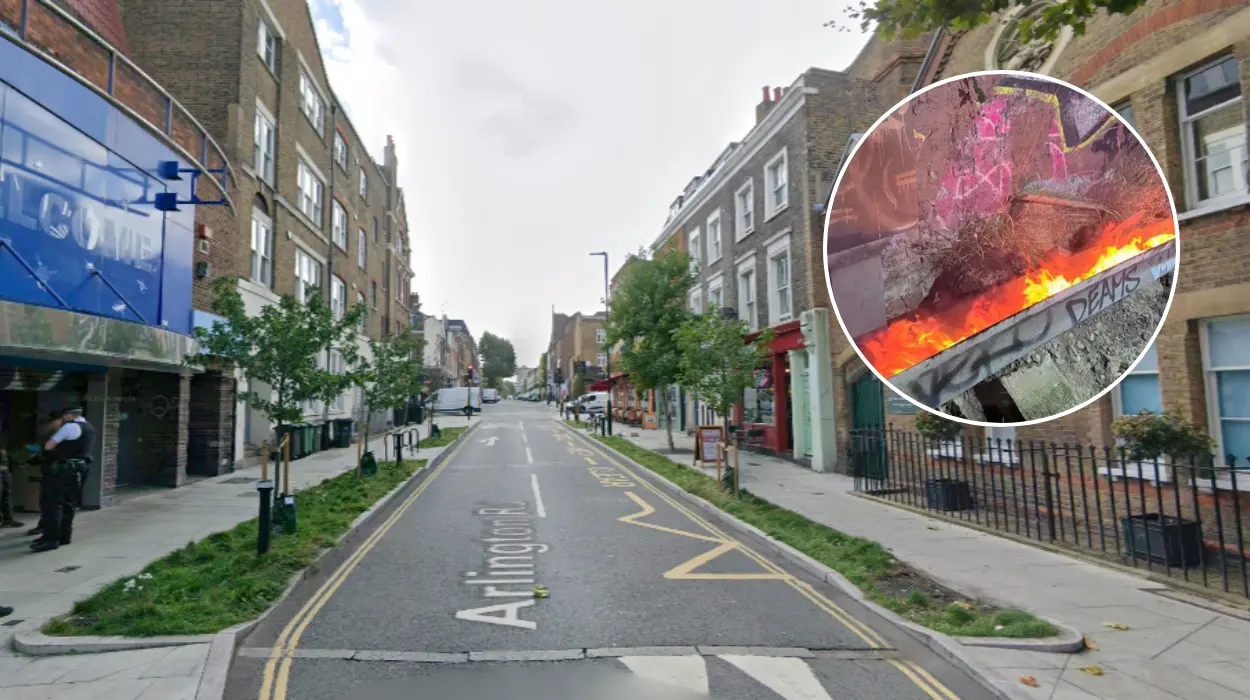
Camden, London Fire Brigade (North London New) – January 31, 2026 – A major fire near rail tracks in Camden this morning prompted the deployment of ten fire engines and around 70 firefighters, causing ongoing travel disruptions across key London rail networks. The London Fire Brigade was called to the scene at approximately 8:00 AM, where a building close to the tracks became engulfed in flames, leading to suspensions on Thameslink, Elizabeth Line, and London Overground services. No injuries have been reported, but the incident has snarled rush-hour commutes for thousands.
- Key Points
- What Caused the Camden Fire Near Rail Tracks?
- How Severe Was the Fire and Response Effort?
- Which Rail Services Were Affected by the Disruption?
- What Do Officials Say About the Incident?
- When Will Travel Return to Normal?
- Why Do Fires Near Rail Tracks Cause Such Widespread Disruption?
- What Safety Measures Are in Place Post-Incident?
- Broader Implications for Commuters and Local Businesses
The fire’s proximity to active rail lines necessitated immediate safety measures, including trackside inspections and power shutdowns. As reported by LFB spokesperson Station Commander Alan Ratcliffe in an official statement,
“Crews from stations including Euston, Kentish Town, and Soho were mobilised to tackle the fire in a commercial building adjacent to the railway.”
He added that the brigade received over 50 emergency calls from members of the public by 9:00 AM.
Transport for London (TfL) confirmed widespread disruptions, with Thameslink services between St Pancras and Kentish Town halted entirely. Elizabeth Line trains faced delays of up to 60 minutes, while London Overground services were diverted or curtailed. A TfL update stated,
“Customers are advised to check live travel information and consider alternative routes due to a fire incident near Camden Road station.”
What Caused the Camden Fire Near Rail Tracks?
Initial reports suggest the blaze originated in a single-storey commercial building, though the exact cause is yet to be determined. As detailed by BBC News reporter Elena Angeloni of BBC London, firefighters used several jets and a platform ladder to combat the flames, which spread rapidly due to the structure’s materials. “The fire was producing significant smoke, visible across North London,” Angeloni noted, attributing early witness accounts to social media posts from commuters spotting plumes from trains.
Eyewitnesses described hearing explosions and seeing thick black smoke billowing from the site. London Evening Standard journalist Jacob Jarvis reported,
“People in the area said they heard bangs before seeing fire and smoke coming from the building near the tracks.”
Jarvis quoted a local resident, Camden shop owner Maria Gonzalez, who said,
“I was opening my store when I heard loud pops – it was terrifying, and then the trains just stopped.”
The LFB’s initial assessment indicated no persons trapped, allowing crews to focus on containment. Station Commander Ratcliffe confirmed,
“There are no reports of injuries at this stage, and the scene is now under control, but our teams will remain for some time to ensure the area is safe.”
How Severe Was the Fire and Response Effort?
The scale of the response underscored the incident’s seriousness, with ten pumps dispatched – equivalent to a major blaze classification under LFB protocols. According to MyLondon reporter Holly Bishop of MyLondon,
“Around 70 firefighters spent hours damping down the blaze after it was brought under control shortly after midday.”
Bishop highlighted that the fire involved a builder’s merchant or similar commercial site, with crews using thermal imaging to check for hotspots.
Power was switched off to rail signalling systems as a precaution, exacerbating delays. The Guardian’s local correspondent Simon Usborne wrote,
“National Rail confirmed that electricity was isolated near Camden Road, leading to a knock-on effect across the network.”
Usborne attributed this to standard procedure for fires within 50 metres of live tracks.
No evacuations of nearby residential areas were required, but roads including Camden Road and York Way were closed. TfL’s Journey Planner app warned of bus diversions, with routes 214, 393, and N28 rerouted. As per Evening Standard transport editor Ross Lydall,
“The closures are expected to last into the evening, with rail services not fully resuming until safety checks are complete.”
Which Rail Services Were Affected by the Disruption?
Travel chaos rippled across London’s busiest lines. Thameslink bore the brunt, with all services between London St Pancras and Camden Road suspended until further notice. National Rail Enquiries posted,
“Trains may be revised, delayed by up to 90 minutes, or cancelled due to emergency services dealing with an incident.”
Elizabeth Line passengers faced platform alterations at Tottenham Court Road and Farringdon, while London Overground services between Highbury & Islington and Stratford were disrupted. TfL’s official X (formerly Twitter) account, managed by communications lead Adam Conn, stated,
“We are working closely with emergency services and expect disruptions to continue – please use our live map for updates.”
Commuters turned to buses and the Tube, overwhelming alternative routes. Sky News reporter Endina Nazif reported,
“Ticket acceptances were in place on London Underground services, but crowds built up at interchanges like King’s Cross.”
What Do Officials Say About the Incident?
Authorities emphasised public safety and urged calm. LFB’s Group Manager Pascal Schlesinger, speaking on behalf of the brigade, said, “Firefighters will remain at the scene for several hours to fully dampen down and ensure there are no remaining hot spots.” Schlesinger added that investigators would return to ascertain the cause.
Camden Council issued a statement via its emergency portal:
“We are monitoring the situation and liaising with the LFB and TfL. Residents should avoid the area if possible.”
Councillor Georgia Gould, Leader of Camden Council, tweeted,
“Our thoughts are with those affected – stay safe and follow official advice.”
Network Rail’s incident controller Janet Farmer confirmed,
“Safety inspections of the tracks are ongoing, and we apologise for the inconvenience caused by this unavoidable incident.”
When Will Travel Return to Normal?
Restoration timelines remain fluid, with LFB estimating full scene clearance by evening. TfL projected partial Thameslink resumption by 4:00 PM, though full services might not return until Sunday. BBC Travel correspondent Peter Barnes noted,
“Engineers need to inspect overhead lines and signalling before trains can run at normal speeds.”
Bus operators extended some diversions, and replacement buses were laid on between Euston and Kentish Town. As per MyLondon’s live blog by Jake Davis,
“Network Rail has warned of ongoing checks into the night, advising passengers to travel later if possible.”
Why Do Fires Near Rail Tracks Cause Such Widespread Disruption?
London’s dense rail network amplifies such incidents. Camden’s location at a busy junction – serving Eurostar links via St Pancras – heightens impacts. The Telegraph’s rail expert Ben Wright explained,
“Proximity to tracks triggers automatic shutdowns to prevent embers igniting lineside equipment, a protocol refined after previous fires like the 2019 Willesden incident.”
Historical parallels include the 2023 Camden warehouse fire, which halted services for 12 hours. Wright quoted rail safety expert Professor John Armstrong of University College London:
“These events test the resilience of our Victorian-era infrastructure amid modern urban pressures.”
Environmental factors, such as dry conditions or stored materials, may contribute, though unconfirmed here. LFB data shows over 1,500 trackside incidents annually in Greater London.
What Safety Measures Are in Place Post-Incident?
Post-blaze protocols include LFB forensics teams sifting debris tomorrow. Rail operators will conduct mandatory track walks and signalling tests. Camden Council’s Director of Environment Mick Deacon assured,
“Air quality monitoring is active, and no hazardous releases have been detected.”
TfL committed to reimbursing delay repay claims, with claims opening at midnight. Public information campaigns continue via apps and stations.
Broader Implications for Commuters and Local Businesses
Local traders reported lost trade. Camden Market stallholder Raj Patel told Evening Standard’s Jarvis,
“No trains mean no customers – this hits us hard on a Saturday.”
The area’s nightlife could face residual effects if roads remain closed.
This incident underscores vulnerabilities in London’s transport web, especially near commercial hubs. As climate patterns shift, experts like Schlesinger warn of rising fire risks from overheating or electrical faults.