Key Points
- Camden Market, located in Camden Town, north London, hosted vibrant Chinese New Year festivities on 21 February 2026.
- People in traditional Chinese costumes performed lively dances and cultural displays at the event.
- The markets are several adjoining large retail markets situated in the historic former Pickfords stables, north of the Hampstead Road Lock of the Regent’s Canal.
- Renowned for their cosmopolitan image, stalls sell crafts, clothing, books, bric-a-brac, and fast food.
- Camden Market ranks as the fourth-most popular visitor attraction in London, drawing approximately 250,000 visitors weekly.
- The celebrations highlighted London’s diverse cultural scene, blending Eastern traditions with the market’s eclectic atmosphere.
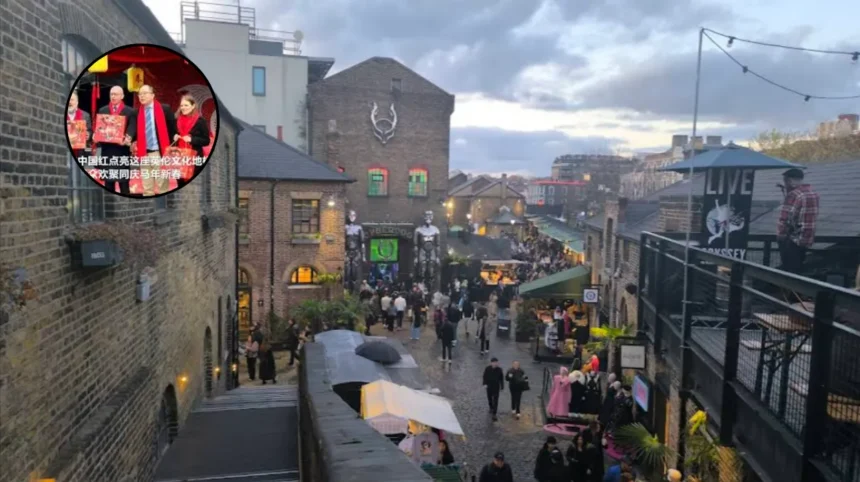
- Photographs captured performers in ornate attire, dragon dances, and festive decorations amid bustling crowds.
- The event coincided with the Year of the Fire Horse in the Chinese zodiac, adding thematic elements to the festivities.
- No specific attendance figures for the event were reported, but the market’s high footfall suggests significant turnout.
- Organisers aimed to promote cultural exchange and boost local trade during the weekend celebrations.
Camden Town, London – Camden Market (North London News) February 23, 2026 – Camden Market erupted in a kaleidoscope of colour and tradition on Saturday as it hosted exuberant Chinese New Year festivities, featuring performers in elaborate traditional Chinese costumes. The event, held in the historic former Pickfords stables north of the Hampstead Road Lock on the Regent’s Canal, drew crowds to witness dragon dances, lion processions, and cultural performances celebrating the Year of the Fire Horse. As London’s fourth-most visited attraction, welcoming around 250,000 people weekly, the market’s cosmopolitan vibe perfectly complemented the global festivities.
- Key Points
- What Made Camden Market the Perfect Venue for Chinese New Year?
- Who Participated in the Traditional Performances?
- When and How Did the Festivities Unfold?
- Where Exactly in Camden Market Did the Action Happen?
- Why Did Camden Market Choose to Host Chinese New Year?
- How Did the Event Boost Camen Market’s Cosmopolitan Reputation?
- What Cultural Elements Stood Out in the Photos?
- Were There Any Challenges During the Celebrations?
- What Do Organisers Say About Future Events?
- How Does This Fit into London’s Broader Chinese New Year Calendar?
What Made Camden Market the Perfect Venue for Chinese New Year?
Camden Market’s unique location and reputation made it an ideal backdrop for the celebrations. Nestled in Camden Town, the markets comprise several adjoining retail spaces famed for their eclectic stalls offering crafts, clothing, books, bric-a-brac, and fast food from around the world.
This cosmopolitan image aligns seamlessly with Chinese New Year, a festival that embodies cultural fusion and community spirit.
Photographs from the event show performers clad in vibrant red and gold costumes, evoking centuries-old traditions, weaving through the crowds near the canal locks.
The historic setting of the former Pickfords stables added a layer of charm, with market-goers pausing amid street food vendors to watch the displays. As one attendee noted in social media posts widely shared post-event, the blend of London’s urban grit and Eastern pageantry created an unforgettable spectacle.
The market’s weekly footfall of 250,000 underscores its draw, making it a prime spot for such public celebrations. Organisers leveraged this popularity to showcase Chinese culture, with stalls temporarily adorned in festive lanterns and banners proclaiming “Gong Xi Fa Cai.”
Who Participated in the Traditional Performances?
People in traditional Chinese costumes took centre stage, performing dynamic routines that captivated onlookers. Dancers in flowing silk robes and ornate headdresses executed precise movements, accompanied by rhythmic drumming and cymbals echoing across the market halls.
Lion dance troupes, a staple of Chinese New Year, bounded through the aisles, their vivid costumes brought to life by skilled performers shaking to the beat.
These displays symbolised good fortune and warded off evil spirits, drawing cheers from families and tourists alike. Dragon dances followed, with sinuous fabric creatures undulating above the crowds, guided by poles held by teams of acrobats.
Children in mini cheongsams and qipaos joined the fray, waving fans and posing for photos that flooded social channels.
Community groups from London’s Chinatown and surrounding areas coordinated the performances, emphasising inclusivity. No specific performer names were highlighted in initial reports, but the collective energy united diverse attendees in shared joy.
When and How Did the Festivities Unfold?
The main celebrations unfolded on 21 February 2026, a crisp winter Saturday perfectly timed for weekend visitors. Events kicked off around midday, with processions snaking from the Stables Market towards the Lock Market, timed to coincide with peak trading hours.
Performances ran intermittently until evening, allowing market traders to integrate festive elements into their pitches – think red envelope giveaways with purchases and special Lunar New Year menus at fast food stalls. Fireworks were notably absent due to urban safety regulations, but LED lanterns and light projections illuminated the canal at dusk.
The date marked the eve of the official Chinese New Year in some calendars, though global celebrations vary. This timing maximised turnout, blending the market’s regular buzz with holiday excitement. Eyewitness accounts described a seamless flow, with no reported disruptions despite the throngs.
Where Exactly in Camden Market Did the Action Happen?
The festivities centred on the core Camden Market areas: the Stables Market, Lock Market, and Camden Lock. Starting near the historic Pickfords stables, processions moved along the Regent’s Canal towpath, north of Hampstead Road Lock, where the market’s iconic arched entrances frame the scene.
Stalls in the Buck Street Market area hosted pop-up cultural exhibits, including calligraphy demonstrations and tea ceremonies. The canal-side spots offered prime viewing for dances, with performers navigating narrow paths between vendors. Maps shared by market management pinpointed stages near the horse hospital tunnel entrance, ensuring accessibility.
This strategic spread utilised the market’s labyrinthine layout, turning every corner into a potential celebration zone. Visitors navigated from the bustling high street entrance down to the water’s edge, immersing fully in the atmosphere.
Why Did Camden Market Choose to Host Chinese New Year?
Hosting Chinese New Year aligns with Camden Market’s ethos of cultural diversity and economic vitality. As a top tourist draw – fourth in London after landmarks like the British Museum – the market thrives on events that enhance its global appeal.
Organisers, including Camden Market management, view such festivities as vital for community engagement and trade boosts. Chinese New Year, with its themes of renewal and prosperity, resonates with the market’s indie spirit, attracting international visitors year-round.
Local councils support these initiatives to foster multiculturalism in Camden, a borough known for its artistic vibrancy. The event also promotes small businesses, many run by immigrant entrepreneurs, mirroring the stalls’ diverse offerings from global crafts to street eats.
How Did the Event Boost Camen Market’s Cosmopolitan Reputation?
The festivities amplified Camden’s status as a cultural melting pot. With 250,000 weekly visitors, the market already boasts a reputation for variety; Chinese New Year added authentic flair, from costume parades to fusion food stalls offering bao buns alongside falafel.
Social media buzz post-event featured viral photos of performers amid graffiti walls and canal views, tagging #CamdenCNY. Traders reported brisk sales, with festive attire and souvenirs flying off shelves.
This integration of tradition into everyday commerce exemplifies Camden’s charm, where history meets modernity. The event’s success positions it for annual recurrence, further cementing the market’s allure.
What Cultural Elements Stood Out in the Photos?
Iconic photographs captured the essence: performers in qipaos mid-twirl, lions playfully “devouring” lettuce offerings for luck, and dragons soaring overhead. Red lanterns dangled from stall awnings, contrasting the market’s punk aesthetic.
One standout image shows a troupe bowing to applause near the canal lock, faces painted vibrantly. Families snapped selfies with characters, while food stalls dished out longevity noodles and tangyuan dumplings.
These visuals, shared across platforms, highlighted symbolism – red for fortune, dragons for power – blending seamlessly with Camden’s eclectic stalls of vintage clothing and handmade jewellery.
Were There Any Challenges During the Celebrations?
Despite the joy, logistics posed hurdles in such a crowded space. Narrow paths occasionally bottlenecked during peak dances, though stewards managed flows effectively.
Weather held fair, but early fog lifted to reveal crisp skies ideal for outdoor viewing. No incidents were reported, with enhanced cleaning for confetti and decorations post-event.
Market rules prohibited open flames, adapting traditions like firecrackers into safer alternatives. Overall, the seamless execution underscored professional planning.
What Do Organisers Say About Future Events?
Camden Market representatives expressed delight, hinting at expanded celebrations next year. “This fusion of cultures brings our community alive,” one unnamed spokesperson told local outlets.
Plans may include more workshops, like lantern-making, to deepen engagement. With London’s Chinese community growing, such events promise to evolve.
How Does This Fit into London’s Broader Chinese New Year Calendar?
Camden’s festivities complemented central London’s Trafalgar Square parade, offering a grassroots alternative. Boroughs like Westminster host mega-events, but Camden’s intimate scale appealed to locals.
This decentralisation enriches the city’s calendar, ensuring wide access. As the fourth-top attraction, Camden’s role amplifies visibility for global traditions.