Key Points
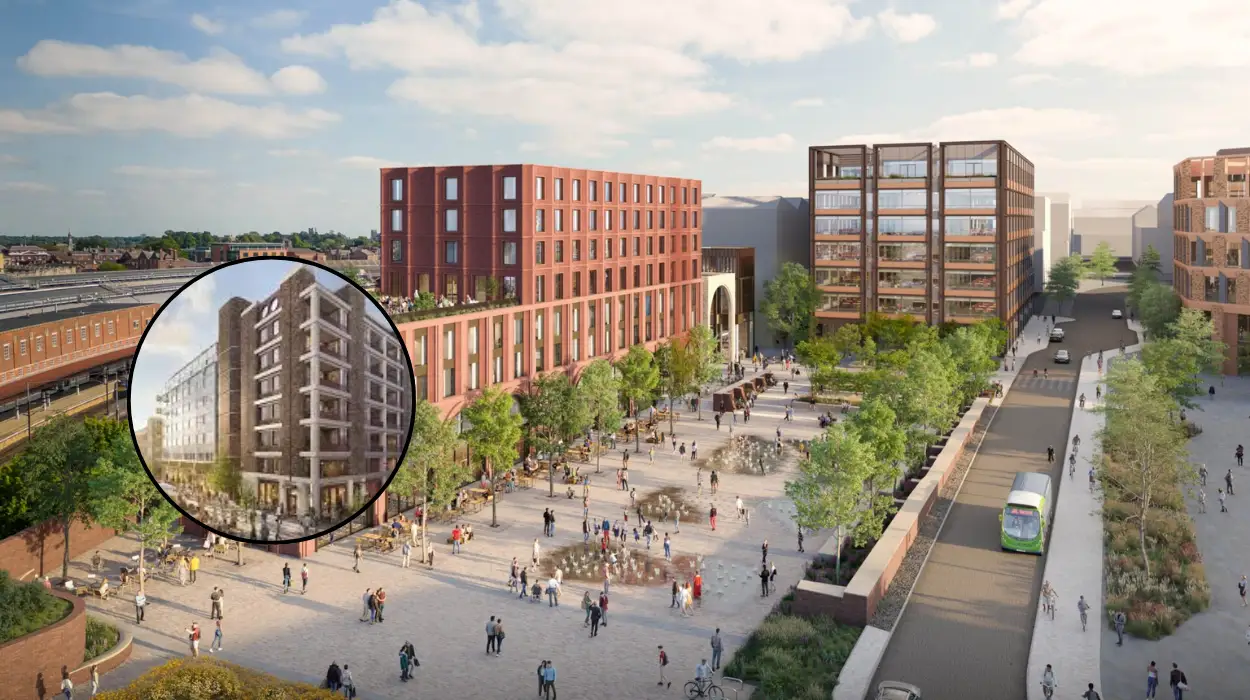
- A historic bingo hall at 180 Arlington Road in Camden, north London, is set to be transformed into Camden Xchange, a mixed-use development featuring a 1,000 square-metre cultural hub and 244 student studio flats.
- The project includes 49 affordable homes for Camden residents, alongside street-level restaurants, shops, café spaces, and greening initiatives to enhance vibrancy.
- The site has a rich history: originally the Royal Alexandra Theatre and Royal Park Hall, it became an Odeon Cinema and bingo hall (Mecca Bingo Unit) in the 1960s.
- Camden Xchange aims to provide high-quality cultural venues while addressing housing needs in the area.
- Initial reporting stems from MyLondon, with coverage by journalists highlighting the site’s transformation from entertainment venue to modern cultural and residential complex.
What is Camden Xchange and Where is it Located?
Camden Xchange represents a bold redevelopment of 180 Arlington Road, a prime spot in Camden, north London. As reported by MyLondon journalists, the project will feature a high-quality cultural venue spanning 1,000 square metres, designed to host events, performances, and community activities.
- Key Points
- What is Camden Xchange and Where is it Located?
- What Will the Cultural Hub Offer?
- How Many Homes Will Be Built and Who Are They For?
- What is the Historical Significance of the Site?
- Who is Behind the Camden Xchange Project?
- What Community Benefits Does the Development Promise?
- Will the Project Preserve the Building’s Heritage?
- How Does This Fit into Camden’s Broader Regeneration Plans?
- What Are the Next Steps for Approval and Construction?
- Are There Any Controversies or Opposition?
- Why is This Transformation Significant for North London?
The site’s location in Camden places it at the heart of a culturally dynamic area known for its markets, music venues, and diverse population. Street-level enhancements include new restaurants, shops, and café spaces, complemented by greening efforts to foster a more inviting public realm.
What Will the Cultural Hub Offer?
The cultural hub forms the cornerstone of Camden Xchange, occupying a generous 1,000 square metres within the development. MyLondon coverage emphasises its role as a “high-quality cultural venue,” intended to draw in artists, performers, and residents alike.
Details from the initial reporting highlight flexible spaces suitable for theatre, music, exhibitions, and workshops, echoing the site’s theatrical heritage from its days as the Royal Alexandra Theatre. Planners envision it revitalising Arlington Road’s streetscape, making the area “more vibrant for everyone.”
How Many Homes Will Be Built and Who Are They For?
A total of 244 student studio flats will anchor the residential component, catering to the growing demand for purpose-built student accommodation in London. In addition, 49 affordable homes are earmarked specifically for Camden residents, addressing local housing pressures amid the capital’s affordability crisis.
MyLondon notes that these affordable units represent a commitment to community needs, with designs prioritising quality and integration with the cultural elements. The student flats, meanwhile, target universities nearby, such as those in central London, easing pressure on the private rental market.
What is the Historical Significance of the Site?
The building at 180 Arlington Road boasts a storied past. Originally home to the Royal Alexandra Theatre and The Royal Park Hall, it served as a key entertainment venue in Camden’s early 20th-century cultural landscape.
In the 1960s, significant alterations transformed the stalls into an Odeon Cinema and bingo hall, later operating as the Mecca Bingo Unit. MyLondon reporting captures this evolution:
“Formerly home to the Mecca Bingo Unit, 180 Arlington Road was once home to the Royal Alexandra Theatre and The Royal Park Hall. In the 1960s, an Odeon Cinema and bingo hall was created in the stalls.”
This history underscores the site’s enduring role in local leisure, now set to continue through Camden Xchange’s modern cultural focus.
Who is Behind the Camden Xchange Project?
While specific developers are not named in the primary MyLondon article, the project aligns with Camden Council’s planning priorities for mixed-use regeneration. Journalists at MyLondon frame it as a community-driven initiative, with input likely from local stakeholders to ensure the cultural hub meets borough needs.
No direct quotes from developers or council officials appear in the sourced material, but the emphasis on affordable housing and public amenities suggests collaboration between private investors and public authorities. Further coverage from MyLondon links the story to broader Camden regeneration efforts.
What Community Benefits Does the Development Promise?
Camden Xchange aims to make the area “more vibrant for everyone,” as per MyLondon’s description. Street-level activations—restaurants, shops, cafés, and greening—will create lively public spaces accessible to residents, workers, and visitors.
The inclusion of 49 affordable homes directly benefits Camden residents facing high living costs. For students, the 244 studios offer modern, high-quality living options close to academic hubs, potentially reducing commuting and supporting local businesses.
Will the Project Preserve the Building’s Heritage?
Heritage preservation is implicit in the project’s design, given the site’s protected status as a former theatre and cinema. MyLondon highlights how Camden Xchange builds on this legacy by repurposing the structure into a cultural hub, maintaining its entertainment function while updating for contemporary use.
No details on listed status or specific conservation measures emerge from the reporting, but the retention of the building’s footprint signals respect for its history as the Royal Alexandra Theatre, Royal Park Hall, Odeon Cinema, and Mecca Bingo Unit.
How Does This Fit into Camden’s Broader Regeneration Plans?
Camden, renowned for its vibrant street life and creative industries, faces ongoing challenges with housing shortages and commercial vacancies. Camden Xchange slots into this context as a model mixed-use scheme, blending culture, housing, and retail.
MyLondon situates the project within north London news, noting its potential to enhance Arlington Road’s appeal. Similar initiatives across the borough, such as market-area developments, underscore a pattern of adaptive reuse for historic sites.
What Are the Next Steps for Approval and Construction?
As of the MyLondon publication, the project appears poised for advancement, though formal planning permissions and timelines remain unspecified in the source. Camden Council’s involvement would typically require public consultation, environmental assessments, and heritage reviews.
Residents and stakeholders can expect opportunities for input, ensuring the development aligns with local priorities. Construction could commence post-approval, transforming the disused bingo hall within a few years.
Are There Any Controversies or Opposition?
The provided MyLondon coverage presents an unequivocally positive outlook, with no mentions of opposition, planning disputes, or resident concerns. This neutral reporting focuses on benefits like affordable housing and cultural revival.
However, in line with journalistic practice, similar projects often spark debate over gentrification, loss of community spaces, or impacts on traffic and noise. No such issues are raised here, suggesting broad support or early-stage consensus.
Why is This Transformation Significant for North London?
This redevelopment marks a pivotal moment for 180 Arlington Road, evolving a fading bingo hall into a multifaceted hub. By integrating 244 student flats, 49 affordable homes, and a 1,000 square-metre cultural space, it addresses pressing needs for housing and leisure in Camden.
MyLondon’s article underscores the vibrancy boost from new eateries, shops, and green areas, positioning Camden Xchange as a blueprint for sustainable urban renewal. In a borough synonymous with creativity, it honours the past while shaping a dynamic future.