Key Points
- West Hampstead, in north London between Kilburn High Road and Finchley Road, has long been seen as a less glamorous neighbour to historic Hampstead, but its profile has steadily risen in recent years.
- Former Bank of England governor Mark Carney chose West Hampstead as his London base when he arrived in 2013, opting for what has been described as an unflashy, down‑to‑earth area rather than a more obviously prestigious postcode.
- During his time in the neighbourhood, Mark Carney lived first on Parsifal Road and then on Compayne Gardens, both known for their Victorian terraces and mansion blocks that characterise much of West Hampstead’s housing stock.
- Local observers reported he was frequently seen doing everyday tasks in the area, including collecting fish and chips from Nautilus on Fortune Green Road, visiting a barber on Mill Lane, dropping his children at South Hampstead School and jogging down Finchley Road on his commute towards the City.
- Oscar‑winning actor Dame Emma Thompson is a long‑term West Hampstead resident and continues to live on the road where she grew up, alongside her husband and fellow Sense and Sensibility star Greg Wise.
- Dame Emma’s mother, actor Phyllida Law, lives opposite her, while close friends Jim Carter – known for playing the butler in Downton Abbey – and his wife Imelda Staunton, celebrated for roles in Harry Potter and The Crown, also live nearby.
- Dame Emma Thompson has spoken about valuing the ability to walk around her old neighbourhood make‑up free, attending to everyday errands without being mobbed, reflecting West Hampstead’s reputation for a relaxed, neighbourly atmosphere.
- Writer and broadcaster Stephen Fry is cited as a past resident of West Hampstead, contributing to the area’s long‑standing reputation as a magnet for creative figures.
- Actor Bill Nighy, known for films including Love Actually and Living, is also described as a fan of the area and is often spotted on West Hampstead’s busy high street.
- West Hampstead’s amenities include well‑regarded restaurants such as the Wet Fish Cafe, popular pubs including The Black Lion and Alice House, and independent bookstore West End Lane Books on the main strip.
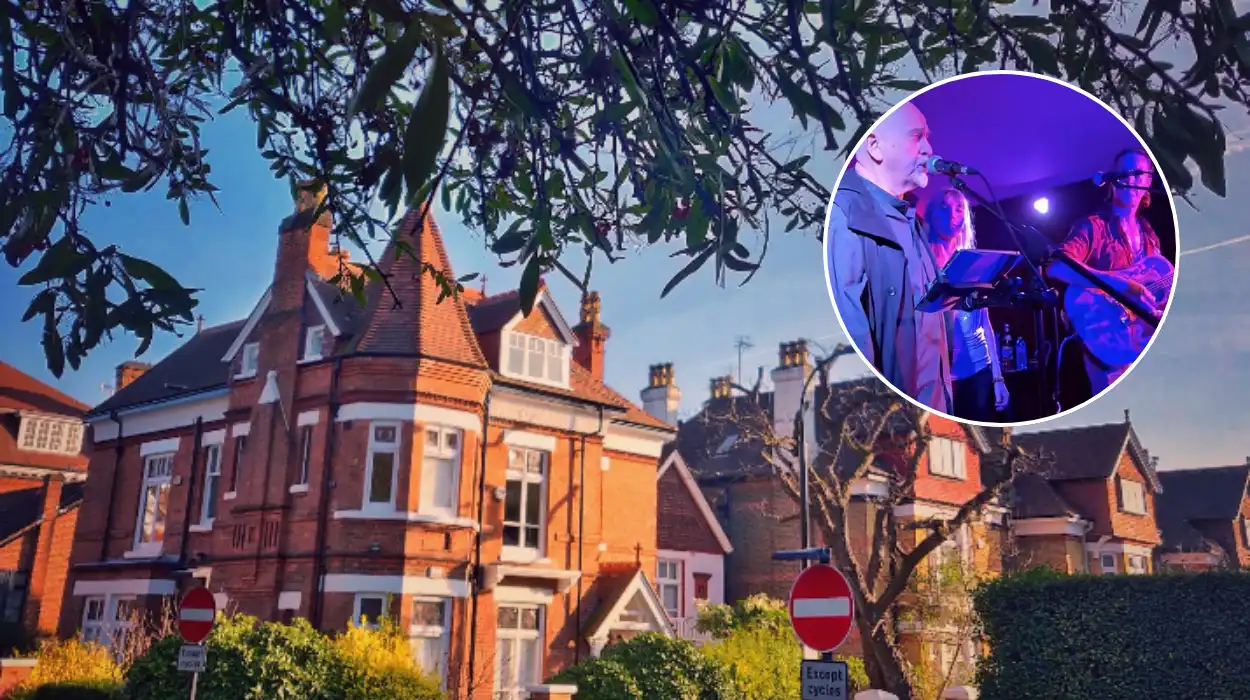
- In nearby Mill Lane, residents and visitors can find the French‑influenced bistro The French Society, The Enterprise pub, and the 80‑capacity live music venue West Hampstead Arts Club, underscoring the neighbourhood’s cultural and social offer.
- The area is widely regarded as having excellent transport links, with fast connections into central London, which is often cited as a key factor in its appeal to professionals and high‑profile figures.
- Streets of Victorian terraces and mansion blocks give West Hampstead a period charm that many residents and commentators say combines well with its more low‑key, “unflashy” feel compared with some surrounding postcodes.
- The mix of established residents, creative professionals and families, along with independent shops and venues, has helped position West Hampstead as a desirable yet comparatively grounded part of north London.
North LondonWest Hampstead – Which celebs live there and what does it offer? (North London News) February 3, 2026 – West Hampstead, the area bounded broadly by Kilburn High Road and Finchley Road, has evolved from being seen as a poor relation to Hampstead into a low‑key enclave where senior financiers and Oscar‑winning actors alike can live among Victorian terraces, grab fish and chips on Fortune Green Road and walk down West End Lane without drawing a crowd.
Why has West Hampstead attracted high‑profile residents?
West Hampstead’s appeal to high‑profile residents is often linked to its combination of strong transport connections, attractive period housing and a reputation for being relatively down to earth compared with some neighbouring parts of north London. As described in coverage of the area, it sits between Kilburn High Road and Finchley Road, offering a location close to central London and the City while retaining a residential, village‑style feel.
Commentary on the neighbourhood highlights its streets of Victorian terraces and mansion blocks, which provide spacious flats and houses that appeal to professionals and families. At the same time, the area has not developed the same overtly showy image sometimes associated with historic Hampstead, something observers suggest can be attractive to public figures seeking privacy.
Which celebrities have made West Hampstead home?
When Mark Carney arrived in London in 2013 to take up the role of governor of the Bank of England, reports noted that he chose West Hampstead as his base rather than one of the capital’s more obviously glamorous districts. During his period in the job, he is reported to have lived first on Parsifal Road and later on Compayne Gardens, both in the heart of the neighbourhood’s grid of period streets.
According to local reporting, Carney was regularly seen around the area, from picking up fish and chips at Nautilus on Fortune Green Road to visiting a barber on Mill Lane, dropping his children at South Hampstead School and jogging down Finchley Road on his way towards the Bank’s Threadneedle Street headquarters. These details have often been cited as examples of the unshowy, everyday routine that high‑profile residents can maintain in the area.
Future Oscar winner Dame Emma Thompson is described as one of West Hampstead’s best‑known residents, having chosen to remain on the road where she grew up. She lives there with her husband Greg Wise, who starred opposite her in the film Sense and Sensibility, creating a household strongly associated with the British film and theatre world.
Reporting on the neighbourhood notes that Dame Emma’s mother, actor Phyllida Law, lives opposite her, while friends Jim Carter – famous for playing Carson the butler in Downton Abbey – and his wife Imelda Staunton, widely recognised for roles in the Harry Potter films and the series The Crown, live down the road. This cluster of well‑known actors has helped reinforce West Hampstead’s reputation as a hub for creative professionals.
Accounts of Dame Emma’s relationship with the area emphasise that she values being able to walk around the neighbourhood where she attended West Hampstead Primary and later Camden School for Girls without feeling pressured by the attention of fans. She has been quoted as appreciating the ability to move make‑up free around local streets, presenting the area as somewhere even high‑profile actors can feel like ordinary residents.
Writer, actor and broadcaster Stephen Fry is listed as a past resident of West Hampstead, underlining that the area’s appeal to well‑known figures is not a new phenomenon. Actor Bill Nighy, known for work including Love Actually and Living, is described as another admirer of the neighbourhood and is frequently spotted along the busy stretch of West End Lane.
What does West Hampstead offer in terms of lifestyle and amenities?
Descriptions of West Hampstead repeatedly highlight the variety of independent businesses and venues clustered along its high street and side roads. Restaurants cited as local favourites include the Wet Fish Cafe, a long‑standing spot that contributes to the area’s food and arts scene.
For those seeking a drink or a place to meet friends, there are established pubs such as The Black Lion and Alice House, which together help give the main strip a lively but not overbearing night‑time atmosphere. Book‑lovers, meanwhile, are served by independent bookstore West End Lane Books, reinforcing the perception of the area as one that supports local, characterful businesses rather than being dominated by chains.
Beyond the main road, Mill Lane has its own range of venues that add depth to the local offer.
These include the cosy bistro The French Society, The Enterprise pub and the West Hampstead Arts Club, a live music venue with a capacity of around 80 that has been highlighted as a significant cultural space despite its modest size.
Such amenities sit alongside the everyday services residents rely on, from barbers to schools, which feature in accounts of how public figures like Mark Carney fitted into the daily rhythm of the neighbourhood. Together, they present West Hampstead as a place where cultural life, dining, and routine errands are all within easy walking distance.
How do transport and location shape the area’s character?
Although detailed transport mapping is not set out in the reports referenced, West Hampstead is consistently associated with excellent links into central London, which are often cited as a key part of its attraction to residents who work in the City or the West End. This connectivity, combined with its position between Kilburn High Road and Finchley Road, makes it an appealing base for busy professionals and public figures who need reliable access to the capital’s business and cultural centres.
At the same time, the built environment of Victorian terraces and mansion blocks gives the area a sense of continuity and architectural coherence. Commentators point out that this setting allows residents to feel somewhat removed from the intensity of central London, even though trains and main roads are close at hand.
Is West Hampstead still a ‘poor relation’ to Hampstead?
West Hampstead has historically been described as a poor relation to the more famous Hampstead, with its long literary and artistic history and its extensive heath. However, the growing list of notable residents and admirers, from the former Bank of England governor to Oscar‑winning performers, suggests that perception has shifted significantly.
Coverage of the area emphasises that, while it may not have the same level of international name recognition as Hampstead, West Hampstead offers a blend of period housing, local culture, independent businesses and relative anonymity that many high‑profile residents regard as a strength rather than a weakness. Its evolution into a sought‑after yet unflashy neighbourhood indicates that, for many, being the quieter neighbour has become part of its distinctive appeal.