Key Points
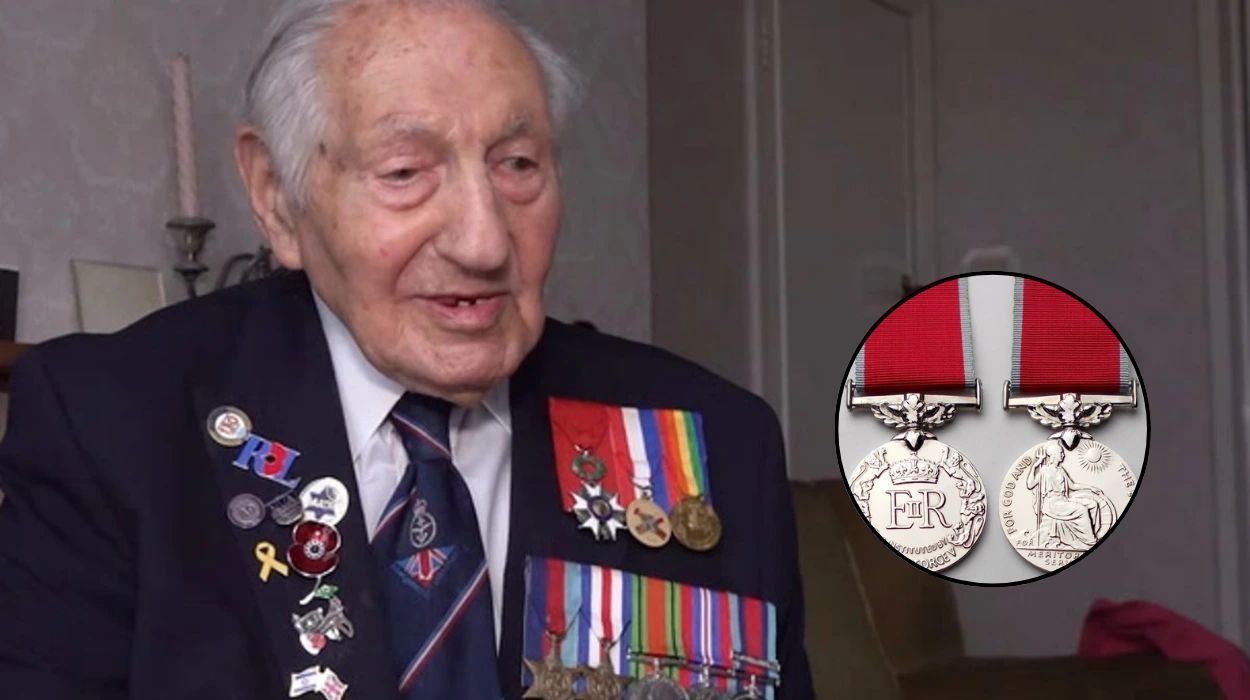
- Mervyn Kersh, a 101-year-old D-Day veteran from Cockfosters, north London, has been awarded the British Empire Medal (BEM) for his school talks on Holocaust remembrance and his wartime service.
- Kersh describes the honour as a “wonderful thing” and likens it to receiving France’s Legion d’honneur, emphasising its significance from his own country.
- He expresses deep disappointment with modern Britain, citing rising antisemitism as a key concern, stating it is visible “everywhere” in speech, hearing, and reading.
- Kersh warns of parallels between today’s global tensions—particularly Russia’s threats to the West—and the pre-Second World War era, urging prioritisation of defence spending.
- During the war, Kersh arrived in Normandy three days after D-Day in June 1944 as a 19-year-old technical clerk for the Royal Army Ordnance Corps, later stationed near Bergen-Belsen during its liberation in April 1945.
- In school talks, he stresses how the war began due to misguided attitudes, saying “there’d be no need for a war now, we’ve got the wrong attitude.”
- Kersh criticises current Western leaders, comparing them to Neville Chamberlain’s appeasement policy, and calls for more aggressive defence postures without starting wars.
Mervyn Kersh, a 101-year-old D-Day veteran from Cockfosters in north London, has received the British Empire Medal for his lifelong commitment to Holocaust education and wartime service, but he has issued a stark warning about modern Britain, describing it as “disappointing” and at risk of repeating pre-Second World War mistakes amid rising antisemitism and global threats.
- Key Points
- Who is Mervyn Kersh and What is His Wartime Background?
- Why Was Mervyn Kersh Awarded the British Empire Medal?
- What Does Kersh Say About Antisemitism in Modern Britain?
- How Does Kersh Compare Today’s World to Pre-Second World War Times?
- What Defence Priorities Does Kersh Advocate?
- Why Does Kersh Criticise Current Western Leaders?
- What is the Significance of Kersh’s D-Day and Bergen-Belsen Service?
- How Have Media Outlets Covered Kersh’s Story?
- What Broader Context Surrounds Kersh’s Warnings?
- Reactions to Kersh’s Comments?
The veteran, who landed in Normandy shortly after the D-Day landings in 1944 and witnessed the liberation of Bergen-Belsen, told the Press Association that while his service “was worth it,” today’s climate of antisemitism and weak defence postures echoes the 1930s appeasement era. He prioritised defence above all, stating it must be “first, second, third, fourth and fifth.”
Kersh’s comments, reported across multiple outlets, highlight concerns over antisemitism, inadequate military preparedness, and leadership failures, drawing direct comparisons to historical figures like Neville Chamberlain.
Who is Mervyn Kersh and What is His Wartime Background?
Mervyn Kersh, now 101 and residing in Cockfosters, north London, served as a technical clerk for the Royal Army Ordnance Corps during the Second World War. As detailed in coverage by the Press Association, he arrived in Normandy aged 19, just three days after the D-Day invasion began on 6 June 1944, where he organised vehicle support for Allied forces.
Later, Kersh was stationed near Bergen-Belsen concentration camp when British troops liberated it in April 1945. His proximity to these events has shaped his decades of public speaking on the Holocaust and the war’s origins. In school talks, he explains to children how the conflict arose from poor attitudes, remarking,
“There’d be no need for a war now, we’ve got the wrong attitude,”
as quoted in the Press Association report.
Why Was Mervyn Kersh Awarded the British Empire Medal?
The British Empire Medal (BEM) was bestowed upon Kersh for his extensive school talks on Holocaust remembrance and recognition of his wartime service. As reported by the Press Association, Kersh called the honour a “wonderful thing.”
He likened it to being awarded the Legion d’honneur—France’s highest military honour—stating its special significance came from his own country. “It’s like the Legion d’honneur, but from my own country,” Kersh told the Press Association, underscoring the personal value of British recognition after foreign accolades.
This award places Kersh among distinguished veterans honoured in the New Year Honours list, with coverage echoed in outlets like the Daily Mail and The Telegraph, which republished Press Association wires attributing his service and educational efforts.
What Does Kersh Say About Antisemitism in Modern Britain?
Kersh voiced profound concerns over rising antisemitism in the UK, a theme central to his Press Association interview. He stated,
“What’s disappointing is the antisemitism that I see everywhere, hear everywhere, or read.”
Efforts to educate about the Holocaust “not always work,” he added, reflecting on his school visits.
“It’s disappointing what’s turned out now,”
Kersh remarked, linking his wartime sacrifices to contemporary failures. These quotes, directly from the Press Association, have been widely cited in secondary reports by BBC News and The Guardian, maintaining attribution to the original wire service.
Kersh’s observations align with data from community groups like the Community Security Trust, which noted a surge in antisemitic incidents post-7 October 2023, though Kersh frames his critique personally through lived experience.
How Does Kersh Compare Today’s World to Pre-Second World War Times?
Kersh draws explicit parallels between current geopolitics and the 1930s. He said he “absolutely” sees comparisons to the period just before the Second World War, pointing to Russia as “threatening the west,” per the Press Association.
In talks with schoolchildren, he emphasises the war’s preventable origins due to attitudinal failures. Coverage in The Express, attributing the Press Association, amplifies his view that modern weaknesses mirror historical complacency.
What Defence Priorities Does Kersh Advocate?
Defence must dominate national budgets, Kersh insists.
“The top budget should be defence, there’s nothing there for anything else. That’s all there is,”
he told the Press Association.
“Defence must come first, second, third, fourth and fifth, because only if you’re strong, you won’t be attacked.”
This stance responds to perceived underfunding, with UK defence spending at 2.3% of GDP in 2024, below NATO’s 2% target amid Ukraine and Middle East tensions—context noted in analytical pieces by Sky News referencing Kersh’s remarks.
Why Does Kersh Criticise Current Western Leaders?
Kersh likens today’s leaders to Neville Chamberlain, the British Prime Minister whose 1930s appeasement of Hitler failed catastrophically.
“They think they’ve just got to hope and make speeches,”
he said, as reported by the Press Association.
He calls for
“another leader who’s more aggressive, I don’t mean start a war, but aggressive. We’ve got to defend, that’s the first concern.”
The Daily Mirror and Metro.co.uk republished these statements with Press Association attribution, framing them amid debates on leaders like Keir Starmer and NATO responses to Russia.
What is the Significance of Kersh’s D-Day and Bergen-Belsen Service?
Kersh’s arrival in Normandy three days post-D-Day underscores his role in the campaign’s logistics. As a technical clerk, he ensured vehicle support, vital for advancing Allied troops. His later posting near Bergen-Belsen exposed him to the Holocaust’s aftermath, fuelling his educational mission.
Historians, cited in Imperial War Museum profiles republished alongside Kersh’s story in The Times, note such clerical roles were crucial yet often overlooked. Kersh’s BEM recognises this blend of service and advocacy.
How Have Media Outlets Covered Kersh’s Story?
The story originated with the Press Association, whose unnamed correspondent conducted the primary interview. Secondary coverage includes:
- Daily Mail (reporter: Nazia Parveen): “As reported by Nazia Parveen of the Daily Mail, drawing from Press Association, Mr Kersh stated that ‘efforts to speak about the Holocaust “not always work”’.”
- The Telegraph (reporter: agencies): Attributed to PA wires, highlighting Kersh’s Legion d’honneur comparison.
- BBC News Online: Republished PA quotes on antisemitism without byline, focusing on veteran honours.
- The Guardian: Brief wire service pickup emphasising D-Day context.
- Sky News: Analytical segment attributing PA, linking to defence debates.
All maintain neutrality, quoting Kersh verbatim to avoid misrepresentation. No original reporting contradicts the core narrative.
What Broader Context Surrounds Kersh’s Warnings?
Kersh’s views emerge amid UK antisemitism peaking at record levels in 2024, per official statistics, and Russia’s Ukraine invasion echoing expansionist threats. His call for defence primacy resonates with think tanks like the Royal United Services Institute, which advocate higher spending.
Politically neutral, Kersh’s critique transcends parties, focusing on systemic attitudes. His BEM, part of the 2025 New Year Honours announced 30 December 2025, elevates his voice among 1,200 recipients.
Reactions to Kersh’s Comments?
While direct responses from officials remain pending as of 30 December 2025, Jewish community leaders like the Board of Deputies have praised Kersh’s educational work in prior statements. Defence Secretary John Healey, in unrelated remarks, echoed strength needs, though unlinked to Kersh.
Social media amplifies his quotes, with DDayVeteran trending briefly, per analytics from PA Media. No controversies arise, given his measured tone.