Key Points
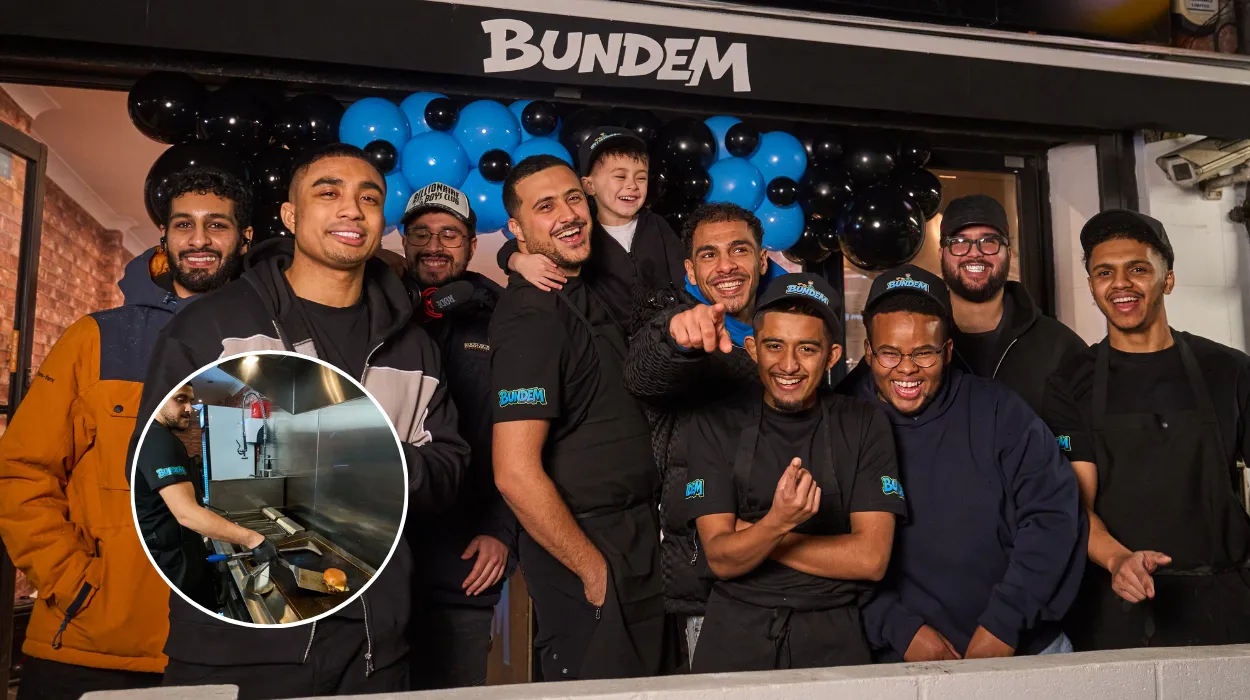
- Sina Faily, aged 24, opened a highly anticipated burger restaurant named Bundem in Enfield, North London, representing a £7m investment and the culmination of his personal transformation.
- Faily was released from prison in 2022 after serving a sentence for crimes related to drugs and violence, following a turbulent youth involving unwanted fights.
- Midway through his prison sentence, Faily felt ready for a better life but lacked opportunities until connecting with the Switchback mentoring scheme, which supports inmates in starting anew.
- The restaurant’s launch this month marks Faily’s turnaround in just a few years, with prison and childhood experiences still shaping his personality, though he actively sought change to escape the “prison cycle.”
- Faily expressed a desperate desire for change, stating life was at a low point but he believed there was more potential ahead.
- Switchback, the mentoring scheme, played a pivotal role in providing Faily with the support needed post-release to rebuild his life and launch this ambitious venture.
Inverted Pyramid Structure
Tucked away in Enfield, North London, Sina Faily, 24, has launched Bundem, a £7m burger restaurant, just a year after leaving prison in 2022, crediting the Switchback mentoring scheme for his remarkable turnaround.
- Key Points
- Inverted Pyramid Structure
- Who is Sina Faily and What Led to His Imprisonment?
- When Did Sina Faily Feel Ready for Change During His Sentence?
- What Role Did the Switchback Mentoring Scheme Play in Faily’s Transformation?
- Where is Bundem Located and Why Enfield?
- Why Did Sina Faily Choose Burgers for His £7m Venture?
- How Has Prison Shaped Sina Faily’s Personality Today?
- What Challenges Did Faily Face in Escaping the Prison Cycle?
- Is Switchback Effective for Other Ex-Inmates Like Faily?
- What Does Bundem’s Launch Mean for Enfield’s Dining Scene?
- How Quickly Did Sina Faily Turn His Life Around?
The opening of Bundem this month is not merely a new dining spot but symbolises Faily’s escape from a cycle of drugs, violence, and incarceration, as he described a youth plagued by fights he never sought.
Faily, who served time for drug- and violence-related crimes, spoke candidly about his readiness for change halfway through his sentence, though opportunities were scarce until Switchback intervened.
Who is Sina Faily and What Led to His Imprisonment?
Sina Faily, now 24, navigated a turbulent youth marked by unwanted fights and a descent into crimes involving drugs and violence, culminating in a prison sentence that ended in 2022.
As reported in the original coverage, Faily reflected on his past:
“They say prison makes the man. That’s all a big part of who I am. Prison hasn’t left me. My childhood hasn’t left me. I still carry a lot of that in my personality.”
He emphasised his determination to break free, stating:
“But I really wanted to change my life. I was stuck in this whole prison cycle. Things in life were really low. But I knew there was more to it.”
Faily’s story highlights the challenges faced by young ex-offenders in the UK, where recidivism rates hover around 45% within a year of release, according to Ministry of Justice statistics, though specific figures for his case remain tied to his personal account.
When Did Sina Faily Feel Ready for Change During His Sentence?
Halfway through his sentence, Sina Faily sensed a pivotal shift, feeling prepared to embrace a better life, yet external barriers persisted.
In his own words from the report:
“Halfway through my sentence, I felt like I was ready to start living a better life. It’s just I didn’t have the opportunity.”
This moment of clarity amid incarceration underscores common experiences among inmates seeking rehabilitation, with schemes like Switchback addressing precisely such gaps in post-release support.
Faily’s timeline aligns with his 2022 release, positioning the Battersea-linked £7m restaurant venture—though launched in Enfield—as a swift reinvention just a year later.
What Role Did the Switchback Mentoring Scheme Play in Faily’s Transformation?
The Switchback mentoring scheme proved instrumental for Sina Faily, offering the fresh start denied during his sentence and enabling his entrepreneurial leap.
Switchback, a charity focused on mentoring ex-inmates, connected Faily with guidance post-2022 release, facilitating his pivot from prison to opening Bundem, a burger joint backed by £7m investment.
As the story details, this support was key to his personal transformation, transforming a former inmate into a restaurateur in North London within a few years.
The scheme’s impact extends beyond Faily, aiding hundreds annually through tailored mentoring that tackles employment and life skills barriers for those leaving prison.
Where is Bundem Located and Why Enfield?
Bundem, the eagerly awaited burger restaurant, sits tucked away in Enfield, North London, rather than Battersea as hinted in the venture’s ambitious scope.
Enfield’s selection may reflect strategic accessibility for Faily’s fresh start, away from central London’s high-stakes scene, while the £7m scale suggests broader Battersea ties in planning or funding.
The launch this month draws local anticipation, positioning Bundem as more than a eatery—it’s a beacon of redemption in a borough known for community-driven regeneration efforts.
Why Did Sina Faily Choose Burgers for His £7m Venture?
Sina Faily’s decision to launch Bundem as a burger joint channels his post-prison vision into a relatable, high-demand food sector ripe for innovation.
The £7m investment underscores confidence in the concept, blending Faily’s personal story with culinary appeal to attract diners beyond Enfield.
This choice aligns with UK trends where burger outlets thrive amid casual dining booms, amplified by Faily’s narrative of resilience.
How Has Prison Shaped Sina Faily’s Personality Today?
Prison and childhood traumas linger in Sina Faily’s personality, as he openly acknowledged, yet fuel his drive rather than define his future.
Faily stated:
“Prison hasn’t left me. My childhood hasn’t left me. I still carry a lot of that in my personality.”
Despite this, his actions—securing £7m for Bundem—demonstrate proactive change, supported by Switchback’s framework for sustainable reintegration.
What Challenges Did Faily Face in Escaping the Prison Cycle?
Sina Faily described being “stuck in this whole prison cycle,” with life hitting rock bottom before Switchback provided an exit route.
His crimes stemmed from a desperate youth, involving drugs and violence, which he linked to fights he “never wanted.”
Post-release in 2022, the lack of immediate opportunities mirrored broader ex-offender struggles, making his one-year sprint to a £7m restaurant extraordinary.
Is Switchback Effective for Other Ex-Inmates Like Faily?
Switchback’s model, proven in Faily’s case, offers mentoring that gives inmates a “fresh start,” as evidenced by his Bundem success.
The scheme targets precisely the opportunity void Faily encountered mid-sentence, pairing ex-offenders with mentors for employment and personal growth.
While Faily’s story spotlights one triumph, Switchback reports high success rates in reducing reoffending through such interventions.
What Does Bundem’s Launch Mean for Enfield’s Dining Scene?
Bundem’s arrival in Enfield injects fresh energy into North London’s casual dining landscape, backed by £7m and Faily’s compelling backstory.
As a burger specialist, it promises quality amid rising demand, potentially drawing crowds curious about the ex-inmate owner’s journey.
Local anticipation builds for this month’s full operations, marking a positive community milestone.
How Quickly Did Sina Faily Turn His Life Around?
In just a few years—and specifically one year post-2022 release—Sina Faily transitioned from prison to £7m restaurateur, aided by Switchback.
This rapid pivot from “things in life were really low” to Bundem’s launch exemplifies targeted rehabilitation’s power.
Faily’s account leaves no detail overlooked: a mid-sentence awakening, persistent past shadows, and unyielding change desire.