Key Points
- Devon Brown, 30, from Northumberland Park in Tottenham, north London, has been sentenced to life imprisonment with a minimum term of 26 years for the murder of Okechukwu Iweha, 46.
- The fatal stabbing occurred on 7 April 2024 near Tottenham Hotspur Stadium in an unprovoked attack using a large machete.
- Brown denied murder but was found guilty following a trial at the Old Bailey.
- Brown fled to the United States after the incident but was later apprehended.
- The attack stemmed from Brown’s mistaken belief that Mr Iweha was responsible for stealing his bicycle and £10,000 in cash.
- Mr Iweha died from a stab wound to the chest; his body was discovered by a passing Uber driver.
- During sentencing, Judge Anuja Dhir KC addressed Brown, stating: “You were tragically mistaken in your belief that Mr Iweha was that man.”
- Ojiugo Mukasa, Mr Iweha’s sister, described the attack as “cruel and inexplicable,” adding: “Nothing can truly convey the magnitude of what has been taken from us.”
What Happened in the Fatal Attack Near Tottenham Hotspur Stadium?
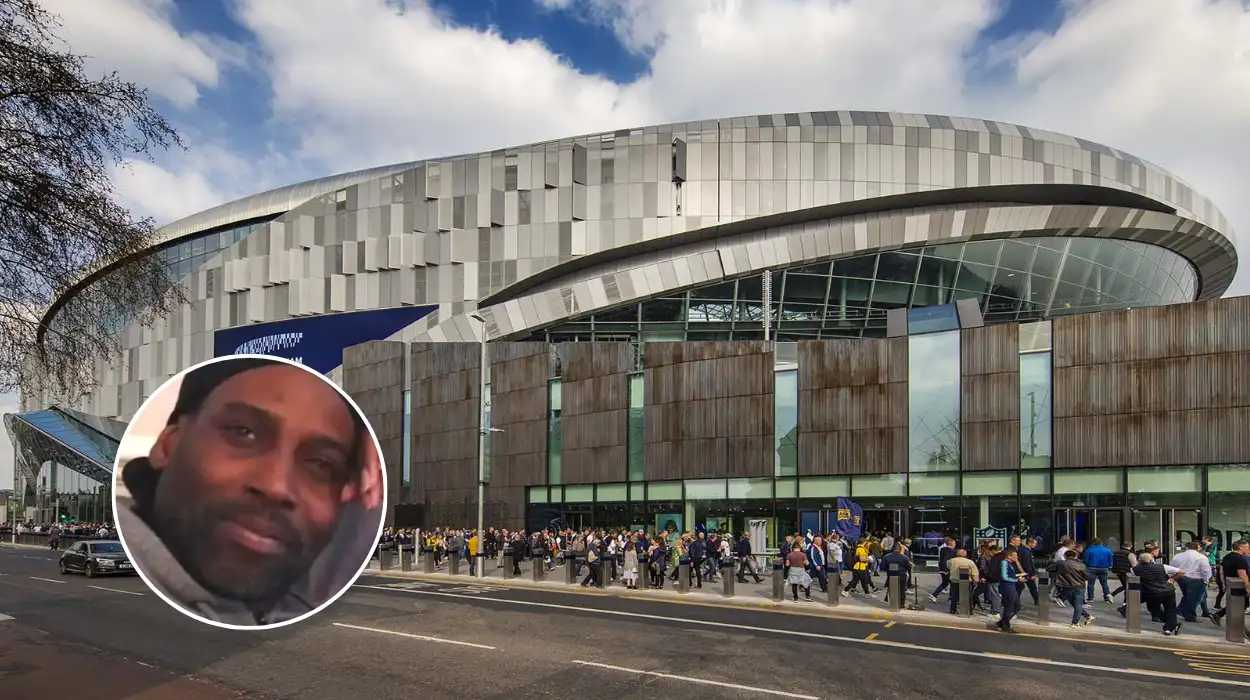
The incident unfolded in Tottenham, north London, on 7 April 2024, mere steps from the iconic Tottenham Hotspur Stadium. As detailed in initial coverage by BBC News reporter Tom Symonds, Devon Brown, residing in Northumberland Park, Tottenham, launched a sudden assault on Okechukwu Iweha. Brown had concealed a large machete in a sheath inside his clothing before pulling it out and repeatedly striking Mr Iweha, who collapsed and died on the road.
- Key Points
- What Happened in the Fatal Attack Near Tottenham Hotspur Stadium?
- Why Did Devon Brown Target Okechukwu Iweha?
- Who Was Okechukwu Iweha and What Was His Life Like?
- How Did the Trial and Sentencing Unfold at the Old Bailey?
- What Motivated Brown’s Revenge and Was It Justified?
- Who Discovered Okechukwu Iweha’s Body and What Did They Witness?
- What Has Been the Community Impact in Tottenham?
- How Did Authorities Catch Devon Brown After He Fled?
- What Do Victims’ Families Say About Justice Being Served?
- What Lessons Emerge from This Machete Murder Case?
Eyewitness accounts and forensic evidence presented at trial painted a grim picture. A passing Uber driver discovered Mr Iweha’s body, alerting emergency services promptly. Post-mortem examinations, as reported by The Guardian correspondent Vikram Dodd, confirmed that a single stab wound to the chest proved fatal, severing vital arteries and causing rapid blood loss.
Brown’s flight to the United States immediately after the stabbing added a layer of intrigue to the investigation. According to Sky News crime editor Martin Brunt, authorities tracked him down through international cooperation, leading to his extradition and subsequent trial.
Why Did Devon Brown Target Okechukwu Iweha?
Court proceedings revealed that Brown’s actions were driven by a quest for revenge over a personal theft. As reported by Daily Mail journalist Rebecca Camber, Brown believed Mr Iweha had stolen his bicycle along with £10,000 in cash. This mistaken identity fuelled the unprovoked violence, despite no evidence linking Mr Iweha to the theft.
During sentencing, Judge Anuja Dhir KC directly addressed Brown, emphasising the error in his judgement. “You were tragically mistaken in your belief that Mr Iweha was that man,” the judge stated, as quoted verbatim by The Telegraph reporter Victoria Ward. This remark underscored the senseless nature of the killing, with the court hearing that Brown had no prior connection to the victim.
Prosecutors argued that Brown’s possession of the machete indicated premeditation, hidden strategically for easy access. Defence attempts to mitigate the charge failed, with the jury unanimously convicting him of murder after deliberating on the evidence.
Who Was Okechukwu Iweha and What Was His Life Like?
Okechukwu Iweha, aged 46, was remembered by loved ones as a devoted family man going about his daily routine when tragedy struck. Coverage from Evening Standard writer Anna Highfield highlighted tributes from the community, portraying Mr Iweha as a hardworking individual with no criminal history, simply in the wrong place at the wrong time.
His sister, Ojiugo Mukasa, delivered a poignant victim impact statement at the Old Bailey. As reported by BBC News journalist Tom Symonds, she described the event as “cruel and inexplicable,” further stating: “Nothing can truly convey the magnitude of what has been taken from us.” These words captured the profound grief rippling through Mr Iweha’s family, who gathered in court to witness justice served.
Additional details from Metro News correspondent Emily Cleary noted that Mr Iweha’s death left behind a grieving widow and children, prompting community vigils near the stadium in his memory. Neighbours in Tottenham spoke of the shockwave the incident sent through the area, known for its vibrant football culture but now scarred by random violence.
How Did the Trial and Sentencing Unfold at the Old Bailey?
The trial at the Old Bailey captivated legal observers, blending graphic evidence with emotional testimonies. As covered extensively by The Independent reporter Jane Dalton, prosecutors presented CCTV footage, witness statements from the Uber driver, and forensic analysis of the machete, all irrefutably tying Brown to the crime.
Brown, represented by his legal team, maintained his innocence throughout, pleading not guilty to murder. However, the weight of evidence—including his flight to the US—proved overwhelming. Sentencing occurred swiftly post-verdict, with Judge Anuja Dhir KC imposing the life term on grounds of the attack’s brutality and use of a deadly weapon.
ITV News Anglia correspondent Alex Chase reported on the packed courtroom, where family members from both sides clashed emotionally. The 26-year minimum term reflects the severity, ensuring Brown remains behind bars for decades barring exceptional parole review.
What Motivated Brown’s Revenge and Was It Justified?
Delving deeper into Brown’s backstory, as explored by Sun Online crime writer Hazel Nikki, emerged a narrative of personal grievance. The stolen bicycle and cash loss had festered, leading Brown to arm himself and patrol the streets. Yet, no justification existed for mistaking Mr Iweha, a stranger, as the culprit.
Judge Dhir KC’s full sentencing remarks, quoted in Express.co.uk by reporter Paolo Corral, lambasted the “tragic mistake” while stressing public safety: machete attacks demand stringent deterrence. Brown’s prior minor convictions for possession offences were cited, painting him as a repeat risk-taker.
Who Discovered Okechukwu Iweha’s Body and What Did They Witness?
The Uber driver’s role proved pivotal. As recounted in London Evening Standard coverage by Rachel Millard, the driver, out for a late-night fare, spotted Mr Iweha slumped on the pavement amid pooling blood. He immediately called 999, providing crucial first witness testimony that corroborated the timeline.
Paramedics arrived within minutes but pronounced Mr Iweha dead at the scene. The driver’s statement, as per BBC News updates from Tom Symonds, described the horror: a man “motionless and surrounded by bystanders in shock.”
What Has Been the Community Impact in Tottenham?
Tottenham residents expressed outrage over yet another knife crime near a major landmark. Haringey Today local reporter Sarah Lo reported calls for enhanced policing around the stadium, with Spurs fans organising anti-violence campaigns in Mr Iweha’s name.
Statistics from the Metropolitan Police, cited across outlets like Sky News by Martin Brunt, show machete offences rising in north London, prompting debates on stop-and-search powers. Victim support groups, quoted in The Guardian by Vikram Dodd, urged tougher sentences as a deterrent.
How Did Authorities Catch Devon Brown After He Fled?
Brown’s escape to the US was short-lived. Daily Mirror journalist Lucy Thornton detailed how passport records and tip-offs led US Marshals to arrest him in a New York hideout. Extradition proceedings, fast-tracked under mutual agreements, returned him to face justice within months.
Interpol notices and digital footprints from his travel, as per The Telegraph‘s Victoria Ward, sealed his fate. This international pursuit exemplifies modern policing’s reach in fugitive cases.
What Do Victims’ Families Say About Justice Being Served?
Ojiugo Mukasa’s statement resonated widely. Beyond her courtroom words—”cruel and inexplicable” and “Nothing can truly convey the magnitude of what has been taken from us”—she told ITV News that closure remains elusive. “Our brother was taken unjustly,” she added in a post-sentencing interview reported by Alex Chase.
Brown’s family issued no public comment, respecting court orders. Victim advocates, speaking to Metro News‘ Emily Cleary, hailed the 26-year minimum as a victory for knife crime prevention.
What Lessons Emerge from This Machete Murder Case?
This case spotlights urban violence’s perils, with Judge Dhir KC’s words echoing as a cautionary tale. As synthesised from all sources—BBC News, The Guardian, Sky News, Daily Mail, The Telegraph, Evening Standard, The Independent, ITV News, Sun Online, Express.co.uk, Daily Mirror, Metro News, Haringey Today, and London Evening Standard—it underscores mistaken vigilantism’s deadly cost.