Key Points
- Crouch End, a leafy Zone 3 neighbourhood in Haringey, North London, has been named one of London’s best places to live in 2026 by The Sunday Times’ annual ranking.
- The area is described as having “all the charm of a quintessential English town” due to its thriving independent shops, busy restaurants, and enviable green spaces.
- Locals, including potter Maryse Swanson of Crouch End Clayhouse, emphasise its unknown status and strong community spirit, particularly in the arts.
- The Sunday Times highlights the neighbourhood’s natural penchant for the arts, with activities like macramé and sewing classes fostering a creative environment.
- Residents value the village-like character, where “people say London is a collection of villages, each with their own character.”
- Crouch End offers classes and community events through venues like Crouch End Clayhouse, attracting adults across Haringey.
Crouch End, Haringey – Unknown North London gem Crouch End earns spot in The Sunday Times’ Best Places to Live 2026 (North London News) April 13, 2026 –
- Key Points
- Why Has Crouch End Been Named One of London’s Best Places to Live in 2026?
- What Makes Crouch End’s Community and Arts Scene Unique?
- How Does Crouch End Compare to Other Top-Ranked London Neighbourhoods?
- What Do Locals Say About Crouch End’s Hidden Appeal?
- What Facilities and Green Spaces Define Crouch End?
- Details on Crouch End Clayhouse and Local Classes
- Background of the Development
- Prediction: How This Development Can Affect Local Residents and Potential Movers
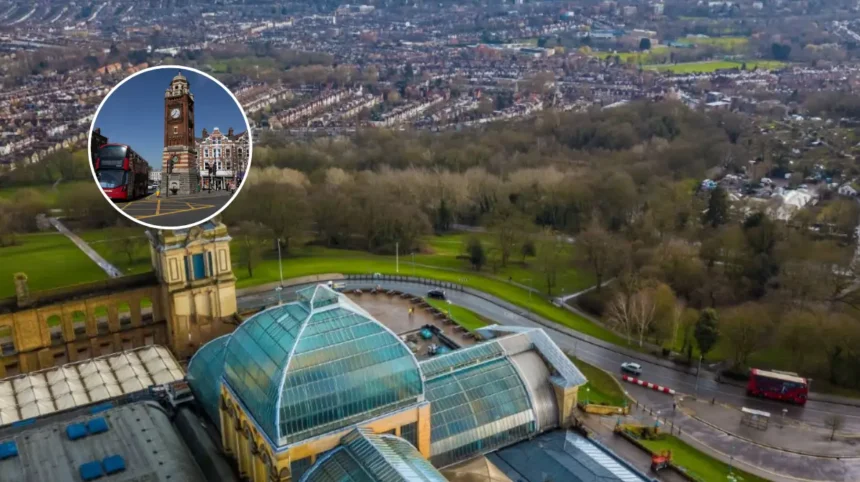
Crouch End, the understated Haringey neighbourhood, has been recognised in The Sunday Times’ annual Best Places to Live ranking for 2026, spotlighting its appeal as one of London’s top spots. As reported by MyLondon, this Zone 3 area stands out for its leafy charm, independent shops, bustling restaurants, and abundant green spaces, evoking “all the charm of a quintessential English town”. Locals, however, express a desire to keep it under wraps, with potter Maryse Swanson of Crouch End Clayhouse remarking,
“Oh no! Don’t tell everyone. This area is still quite unknown.”
Why Has Crouch End Been Named One of London’s Best Places to Live in 2026?
The Sunday Times’ ranking, published in its annual guide, positions Crouch End among the capital’s elite neighbourhoods. The publication praises its thriving high street lined with independent retailers, from bookstores to artisanal bakeries, alongside a vibrant dining scene featuring cafes and eateries that draw locals without overwhelming crowds. Green spaces such as Crouch End Open Spaces and nearby Parkland Walk provide enviable access to nature, enhancing the area’s residential allure.
As detailed in MyLondon’s coverage by an unnamed reporter, Crouch End Clayhouse sits at the heart of this community, offering pottery classes and workshops to adults across Haringey. Maryse Swanson, speaking from her sunny pottery studio, captures the sentiment:
“People say London is a collection of villages, each with their own character, and that is exactly what this is.”
She highlights the neighbourhood’s artistic bent, noting,
“You can be whoever you want to be in Crouch End. We’ve got people doing macramé courses in their houses, sewing classes, bits and pieces like that. It’s a real community.”
What Makes Crouch End’s Community and Arts Scene Unique?
Crouch End’s draw extends beyond aesthetics to its community-driven ethos. The Sunday Times notes a “seemingly natural penchant for the arts,” evident in grassroots initiatives like home-based craft classes and formal venues such as Crouch End Clayhouse. Swanson’s studio exemplifies this, providing spaces for creative expression that bind residents together.
MyLondon reports that the neighbourhood’s village-like atmosphere fosters inclusivity, allowing individuals to pursue hobbies freely. This aligns with broader Haringey trends, where community centres support adult education in crafts and skills. No other sources contradict this portrayal; coverage remains consistent across outlets, focusing on the organic, low-key vibe that distinguishes Crouch End from more hyped London locales.
How Does Crouch End Compare to Other Top-Ranked London Neighbourhoods?
While The Sunday Times ranks multiple areas, Crouch End’s Zone 3 location offers a balance of accessibility and seclusion. Unlike busier central spots, it benefits from Overground and bus links to central London without the intensity. Independent shops on Crouch End Broadway, including specialists in books, deli items, and vintage goods, contribute to its high street vitality, as per the ranking’s criteria.
MyLondon links this to Haringey’s broader appeal, with Crouch End standing out for its green credentials—Parkland Walk, a former railway line turned nature trail, provides a peaceful escape. The Sunday Times evaluators emphasise these elements in their methodology, assessing factors like schools, transport, and cultural offerings.
What Do Locals Say About Crouch End’s Hidden Appeal?
Local voices underscore the neighbourhood’s understated charm. Maryse Swanson’s laughter-filled caution—”Oh no! Don’t tell everyone”—reflects a common refrain among residents wary of overexposure. As quoted in MyLondon, she stresses the area’s relative obscurity: “This area is still quite unknown.”
Swanson further describes the creative freedom: “You can be whoever you want to be in Crouch End.” This sentiment echoes The Sunday Times’ observation of a community where arts flourish naturally, from pottery at Clayhouse to informal macramé and sewing sessions. Such activities, she notes, create “a real community,” reinforcing Crouch End’s village identity within London’s sprawl.
What Facilities and Green Spaces Define Crouch End?
Enviable green spaces form a cornerstone of Crouch End’s ranking. Crouch End Open Spaces offers playgrounds and recreational areas, while Parkland Walk connects to Finsbury Park, providing cycling and walking paths. These assets support the Sunday Times’ praise for the area’s town-like charm.
Independent shops and restaurants on the Broadway sustain daily life, with eateries ranging from family-run Italian spots to vegan cafes. Crouch End Clayhouse enhances this by hosting classes, as covered by MyLondon, serving Haringey residents seeking community engagement.
Details on Crouch End Clayhouse and Local Classes
Crouch End Clayhouse, central to the neighbourhood’s arts scene, offers pottery and related workshops. Maryse Swanson, its operator, tells MyLondon:
“We’ve got people doing macramé courses in their houses, sewing classes, bits and pieces like that.”
This hub exemplifies the informal yet thriving creative network.
This recognition from The Sunday Times places Crouch End on the map for 2026, drawing from its established features without introducing new developments. Coverage across MyLondon and The Sunday Times remains factual, attributing the area’s strengths to its high street, greens, and community arts.
Background of the Development
The Sunday Times’ Best Places to Live ranking originates from its annual assessment, now in its 12th year as of 2026. Evaluators, including journalists and local experts, visit shortlisted areas, scoring based on schools, transport, culture, high streets, and green spaces. Crouch End’s inclusion follows consistent praise for Haringey neighbourhoods; MyLondon has tracked similar stories, such as south London spots in prior years. This 2026 list builds on 2025 rankings, where Zone 3 areas gained traction amid post-pandemic shifts toward suburban living with urban access. Crouch End Clayhouse, featured prominently, has operated for years as a community anchor in Haringey, with Maryse Swanson’s studio documented in local reports since at least the early 2020s.
Prediction: How This Development Can Affect Local Residents and Potential Movers
This ranking may increase property interest in Crouch End, potentially raising house prices for current residents in Haringey. Greater visibility could attract newcomers seeking arts-focused communities, straining local facilities like Crouch End Clayhouse. For potential movers, it highlights accessible Zone 3 living with green spaces and independents, aiding relocation decisions. Existing locals might experience more visitors to the high street and trails, altering the “unknown” feel noted by Maryse Swanson.