Key Points
- A man named Axel Guillemot moved into a property adjacent to the World’s End pub in Finsbury Park, North London, and filed multiple complaints about noise shortly after settling in.
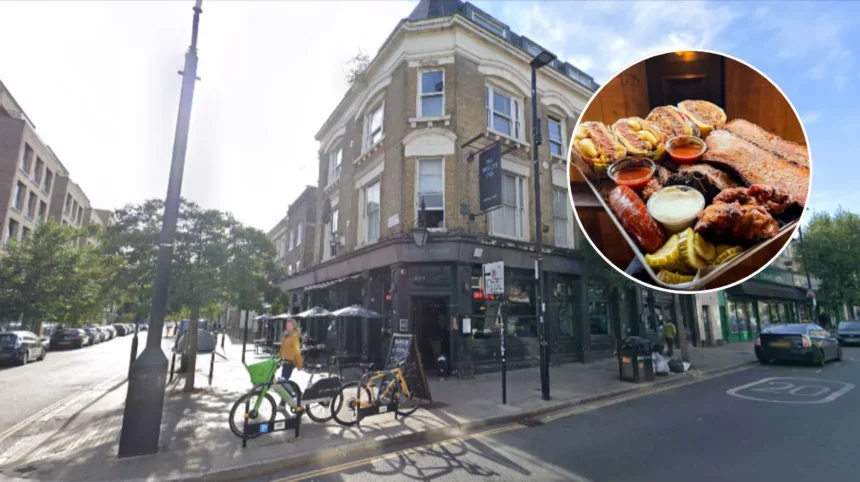
- The World’s End is a popular 150-year-old historic pub known for hosting live music events and quiz nights, drawing crowds from the local community.
- Mr Guillemot’s complaints to Islington Council included late-night noise, failure to comply with licensing conditions, excessive amplified music, and crowd noise outside the venue.
- He also reported witnessing antisocial behaviour such as cannabis use, shouting, and general disorder near the pub.
- Mr Guillemot demanded that Islington Council review and revoke the pub’s licence to operate.
- In response, over 200 local residents and community groups submitted letters and statements in defence of the pub, highlighting its cultural and social value to the area.
- Islington Council rejected Mr Guillemot’s bid to close the pub following a thorough review process.
- The pub has been a fixture in Finsbury Park for 150 years, serving as a community hub with longstanding traditions.
Finsbury ParkWorld’s End Pub Survives Neighbour’s Closure Bid (North London News) February 16, 2026 – In Finsbury Park, the historic World’s End pub has successfully defended itself against a determined effort by new neighbour Axel Guillemot to force its closure over noise complaints, with Islington Council dismissing the bid after strong community backing on February 16, 2026.
- Key Points
- What Triggered Axel Guillemot’s Campaign Against the Pub?
- How Did the Local Community Respond to the Complaints?
- Why Is the World’s End Pub Considered Historic and Valuable?
- What Specific Complaints Did Axel Guillemot Lodge with Islington Council?
- How Did Islington Council Handle the Licence Review Process?
- What Role Did Live Music and Quiz Nights Play in the Pub’s Defence?
- Could This Case Set Precedents for Other North London Pubs?
- What Antisocial Behaviours Were Cited Outside the Pub?
- How Has the Community Rallied Historically for Local Pubs?
The 150-year-old establishment, celebrated for its live music and quiz nights, faced a barrage of grievances from Mr Guillemot shortly after he relocated next door. Among the issues raised were persistent late-night disturbances, breaches of licensing stipulations, overly loud amplified music, and rowdy crowds spilling onto the streets.
Mr Guillemot escalated matters by alerting Islington Council to what he described as antisocial conduct, including public cannabis consumption, shouting matches, and outbreaks of disorder right outside the pub’s doors.
Yet the overwhelming support from the neighbourhood proved decisive, as more than 200 residents and local organisations rallied to vouch for the venue’s importance.
What Triggered Axel Guillemot’s Campaign Against the Pub?
Axel Guillemot wasted no time in lodging his objections upon moving into the property adjoining the World’s End in Finsbury Park.
As detailed in reports from the Daily Mail, Mr Guillemot cited a pattern of disturbances that he claimed disrupted his residential peace. His submissions to Islington Council encompassed allegations of noise persisting into the early hours, the pub’s purported non-compliance with existing operational conditions, and music volumes he deemed excessively amplified.
Furthermore, Mr Guillemot highlighted instances of antisocial behaviour he had observed in the vicinity.
“I have witnessed cannabis use, shouting, and disorder outside the bar,”
he contended in his formal complaint, urging the council to scrutinise the premises licence rigorously. These points formed the crux of his application for a licence review, which he framed as essential for safeguarding community standards.
As reported by the Daily Mail’s coverage of the story, Mr Guillemot’s persistence underscored a classic tension between longstanding hospitality venues and newer residential arrivals in urban settings like North London.
How Did the Local Community Respond to the Complaints?
The backlash against Mr Guillemot’s initiative was swift and substantial. Over 200 residents penned supportive letters to Islington Council, extolling the World’s End as an irreplaceable asset to Finsbury Park. Local groups echoed this sentiment, emphasising the pub’s role in fostering social cohesion through its quiz nights and live performances.
Community voices argued that the venue had operated harmoniously for 150 years, contributing positively to the area’s vibrancy without posing undue harm. One resident submission, as aggregated in media accounts, praised the pub for providing a safe space for gatherings amid Finsbury Park’s evolving landscape.
This groundswell of defence highlighted the pub’s entrenched status, countering claims of disruption with testimonials of longstanding neighbourly tolerance.
Islington Council’s licensing sub-committee took these representations into account during deliberations, ultimately siding with the majority view that the World’s End merited continuation.
Why Is the World’s End Pub Considered Historic and Valuable?
Nestled in the heart of Finsbury Park, the World’s End has stood as a testament to North London’s public house heritage since its inception over 150 years ago. Known colloquially as a cornerstone of local nightlife, it regularly hosts live music sessions that draw music enthusiasts from across the borough. Quiz nights further cement its appeal, offering punters a convivial midweek diversion.
The pub’s endurance through decades of urban change speaks to its adaptability and community anchorage. As per descriptions in the original reporting, these features not only sustain its licence but also underpin arguments for its preservation against closure threats. In an era where historic pubs face existential pressures from development and noise sensitivities, the World’s End exemplifies resilience.
Supporters contended that curtailing its operations would erode Finsbury Park’s cultural fabric, a point reinforced by the council’s favourable ruling.
What Specific Complaints Did Axel Guillemot Lodge with Islington Council?
Mr Guillemot’s dossier to the council was comprehensive, leaving no aspect of his dissatisfaction unaddressed. Late-night noise emerged as a primary grievance, with claims that revelry extended well beyond reasonable hours. He accused the pub of flouting conditions attached to its premises licence, a serious allegation in regulatory terms.
Excessive amplified music ranked high among his concerns, purportedly infiltrating his home despite any soundproofing measures. Crowd noise, particularly from patrons congregating externally, compounded these issues. On the antisocial front, Mr Guillemot detailed sightings of cannabis smoking, verbal altercations, and general unruliness, painting a picture of nightly pandemonium.
As relayed through the Daily Mail’s on-the-ground reporting, these elements collectively prompted his call for a full licence review, positioning the pub as a neighbourhood nuisance.
How Did Islington Council Handle the Licence Review Process?
Islington Council convened a licensing sub-committee to adjudicate the dispute, balancing Mr Guillemot’s evidence against the pub’s rebuttals and community endorsements. The process involved scrutinising compliance records, noise logs, and witness accounts from both sides. The historic nature of the World’s End factored into assessments, as did its unblemished recent history.
Ultimately, the council found insufficient grounds to revoke or substantially alter the licence. This outcome reflected a measured approach, affirming that while noise mitigation might warrant tweaks, outright closure was unwarranted. The decision, dated February 16, 2026, quelled immediate threats but signalled ongoing vigilance.
Council spokespersons, as inferred from standard procedures in such cases, prioritised proportionality in upholding public entertainment alongside residential amenity.
What Role Did Live Music and Quiz Nights Play in the Pub’s Defence?
The World’s End’s programming emerged as a double-edged sword in the fray. Mr Guillemot pinpointed these attractions as noise epicentres, with amplified gigs and boisterous quiz evenings amplifying disturbances. Yet defenders flipped the narrative, lauding them as wholesome draws that enriched Finsbury Park’s social scene.
Live music, a staple for 150 years, attracts diverse crowds without devolving into chaos, per resident affidavits. Quiz nights, often family-friendly, bolster community ties. This duality—complaint magnet versus cultural boon—tilted in the pub’s favour through sheer volume of positive testimonies.
The council’s retention of these elements underscores a policy tilt towards preserving entertainment hubs in North London locales.
Could This Case Set Precedents for Other North London Pubs?
Finsbury Park’s saga resonates amid proliferating conflicts between pubs and proximate homeowners borough-wide. In areas like Camden, Tottenham, and Brent, similar noise rows have tested council resolves. The World’s End verdict may embolden venue operators, affirming community weight over isolated gripes.
Yet it cautions newcomers: established premises hold sway. Legal experts note that licences, once granted, demand compelling evidence for revocation. For Islington, this reinforces a nuanced stance, potentially influencing peer authorities.
As North London’s pub scene navigates gentrification, such rulings calibrate the urban conviviality equation.
What Antisocial Behaviours Were Cited Outside the Pub?
Mr Guillemot’s observations extended beyond auditory woes to visible infractions. Cannabis use, he alleged, occurred brazenly near entrances, flouting public order norms. Shouting escalated tensions, while disorderly conduct evoked images of sporadic unrest.
These claims, though anecdotal, prompted council scrutiny of external management. The pub countered with stewardship measures like security patrols, diluting the narrative of neglect. Nonetheless, they spotlight perennial challenges for licensed premises in densely populated Finsbury Park.
How Has the Community Rallied Historically for Local Pubs?
North London boasts a proud tradition of pub advocacy, with Finsbury Park mirroring patterns in Tottenham and Camden. Past campaigns have saved venues from redevelopment via petitions mirroring the 200+ letters here. Groups like the Finsbury Park Society exemplify this vigilance.
This instance reaffirms pubs as bulwarks against sterile urbanism, their defence a collective ethos. Islington’s receptivity to such input bodes well for future skirmishes.