Key Points
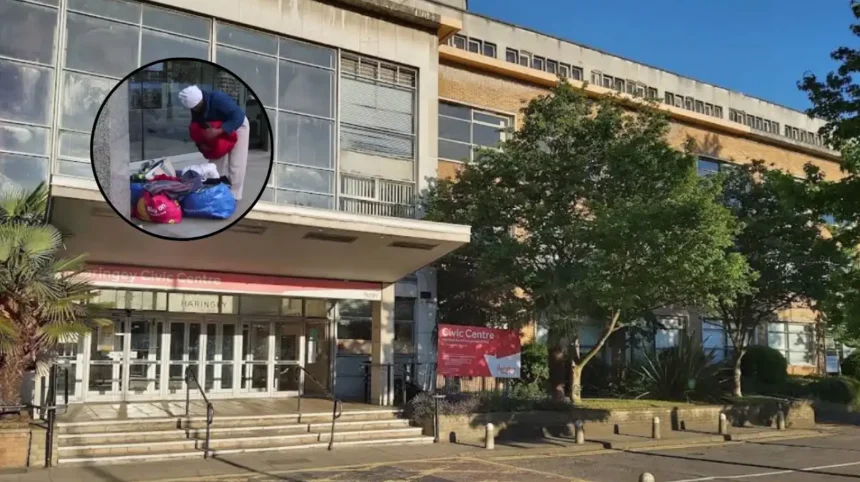
- Haringey Council has been ordered to apologise and pay more than £1,000 in compensation to a homeless woman, referred to as Miss X.
- The Local Government and Social Care Ombudsman found multiple faults in the council’s handling of her case.
- The case involved delays over repairs in temporary accommodation, a failure to inform Miss X of her right to a Section 202 review, and delays in rehousing her when eviction approached.
- The ombudsman said the council caused “injustice”, “distress and uncertainty”, and must also produce an action plan to improve future practice.
- The council said it had already apologised, accepted the findings, and issued guidance to staff on disrepair reports in temporary accommodation.
- The remedies ordered by the ombudsman must be completed by Friday, 4 September, three months after the ruling.
Haringey (North London News) August 3, 2026 – Haringey Council has been ordered to apologise and pay compensation after the Local Government and Social Care Ombudsman found multiple faults in how it handled a homeless woman’s temporary accommodation case, according to the Standard. As reported by the Standard’s local government coverage, the dispute centred on disrepair complaints, rehousing delays and complaint handling failures.
The newspaper reported that the woman, referred to as Miss X, first raised disrepair issues with the managing agent of her temporary accommodation in June 2024. An inspection found that the front door handle did not work properly, the landing light did not work, the living-room ceiling needed redecorating, and the garden was overgrown.
What faults did the ombudsman identify?
According to the Standard, the managing agent did not fix the problems, and Miss X later raised the matter directly with the council in November 2024. The ombudsman found that Haringey “should have taken action” to make sure the repairs were carried out, but by July 2025 the problems were still unresolved.
The report said the council then encouraged Miss X to pursue the matter herself and incorrectly told her that the managing agent was primarily responsible for the repairs. It also found the authority failed to tell her about her right to a Section 202 review of aspects of her homelessness application, which the regulator said caused further injustice.
Why was the rehousing delay criticised?
The Standard reported that when Miss X later faced eviction from temporary accommodation, Haringey did not rehouse her until the date of eviction itself. The council acknowledged that there had been a delay, and the ombudsman accepted that there was a shortage of temporary accommodation in London.
However, the watchdog said it had “seen no evidence” that the council took proactive steps to find alternative housing for Miss X before eviction, and described the delay as a fault that caused further “distress and uncertainty”. The council also failed to handle her complaint correctly, which added to the ombudsman’s findings.
What did Haringey Council say in response?
As reported by the Standard and attributed to Tammy Hymas, Haringey’s cabinet member for housing, the council said it had taken the ombudsman’s findings “very seriously” and apologised for “the mistakes made and avoidable distress it caused”.
Cllr Hymas said the authority had already taken steps to improve services, including issuing guidance to staff on responding to reports of disrepair in temporary accommodation. She also said transparency in improving housing was a key priority for the minority Green administration, and that the council was committed to learning from the case.
Background of the development
The case sits within a wider pattern of scrutiny over council homelessness duties, temporary accommodation standards and complaint handling. In this instance, the ombudsman found that delays and poor communication left a resident dealing with unresolved disrepair, uncertainty over her rights and late rehousing.
The Local Government and Social Care Ombudsman acts as the final stage for complaints about councils and some other local public services in England. Its decisions can require apologies, compensation payments and service improvements when fault and injustice are found.
Explore More Haringey Council News
Haringey Council Fined £1,200 Over Housing Ombudsman Ruling (North London, 2026)
Greens-Led Haringey Council Backs KPMG Budget Cuts in Haringey 2026
What is the likely impact on residents?
For homeless residents and people in temporary accommodation, this case may encourage closer scrutiny of how councils handle repair reports, complaint rights and rehousing decisions. It may also prompt councils to tighten procedures, because missed steps can lead to compensation orders and formal criticism from the ombudsman.
For residents in Haringey specifically, the case may increase expectations that housing complaints will be handled more quickly and with clearer communication. For councils more widely, the ruling reinforces the need to document actions, explain rights properly and show that efforts were made to secure suitable accommodation before eviction dates.