Key Points
- Since 2022, Cllr Peray Ahmet, leader of Haringey Council and the Labour administration, has positioned culture, creativity, and heritage as central to Haringey’s future vision.
- Haringey is described as one of the most diverse boroughs in one of the world’s most diverse cities, London.
- Culture is portrayed not as an “add-on” but as a “golden thread” that unites communities, bolsters local economies, and fosters understanding of shared histories.
- The borough’s cultural richness stems from its artistic and rebellious history combined with vibrant community contributions.
- Culture and creativity form the cornerstone of the council’s political agenda.
- The Latin Market at Seven Sisters, previously embroiled in a prolonged standoff involving developers, the council, and the community, relaunched successfully last year with traders and council members celebrating together, demonstrating collaborative trust-building.
- The restoration and reopening of the Grade II-listed Hornsey Town Hall exemplify the impact of heritage preservation and design supported by political commitment, evolving into a new culture and community hub.
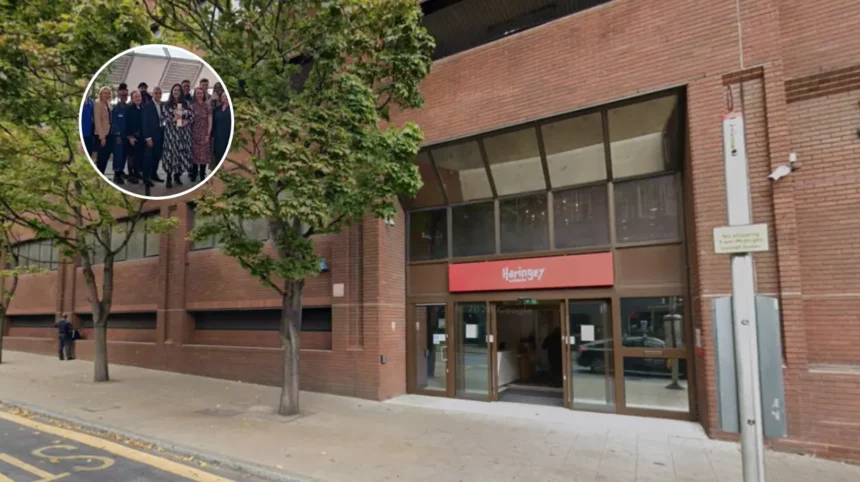
Haringey, (North London News) March 30, 2026 – Haringey Council has reaffirmed its commitment to embedding culture, creativity, and heritage at the core of the borough’s future, as articulated by council leader Cllr Peray Ahmet. This initiative, prominent since 2022 under the Labour administration, underscores a strategic pivot towards leveraging the area’s diverse cultural fabric to drive community cohesion and economic growth. (Haringey Council statement, March 2026).
- Key Points
- Why Has Haringey Made Culture Central to Its Agenda Since 2022?
- What Makes Haringey’s Cultural Richness Unique?
- How Did the Latin Market at Seven Sisters Overcome Its Challenges?
- What Role Does Hornsey Town Hall Play in Haringey’s Cultural Revival?
- How Will This Cultural Focus Benefit Haringey’s Economy and Communities?
- What’s Next for Haringey’s Cultural Strategy?
Why Has Haringey Made Culture Central to Its Agenda Since 2022?
Cllr Peray Ahmet, leader of Haringey Council and the Labour administration, has been unequivocal in her stance. As stated directly in the council’s official announcement,
“Since 2022, Cllr Peray Ahmet, leader of Haringey Council and our Labour administration have been clear: culture, creativity and heritage sit at the heart of Haringey’s future.”
This declaration positions these elements not merely as peripheral enhancements but as foundational pillars of borough policy.
Haringey’s demographic profile amplifies this focus. The council highlights that residents
“live in one of the most diverse boroughs in one of the most diverse cities in the world.”
This diversity, encompassing a mosaic of ethnicities, languages, and traditions, forms the bedrock of the borough’s identity. Culture, in this context, transcends entertainment; it serves as a unifying force. The official statement elaborates:
“Culture isn’t an add-on – it’s a golden thread running through Haringey that brings people together, supports local economies and helps us understand our shared story.”
This approach aligns with broader trends in local governance across North London, where councils increasingly view cultural investment as a catalyst for social and economic resilience. Neutral observers note that such strategies have precedent in neighbouring boroughs like Camden and Islington, though Haringey’s emphasis on its “artistic, rebellious history” – referencing landmarks like the former Bruce Castle and grassroots art scenes – sets it apart.
What Makes Haringey’s Cultural Richness Unique?
The borough’s cultural vibrancy draws from dual sources: a storied artistic and rebellious past intertwined with the dynamism of its communities. As per the council’s narrative,
“Haringey’s cultural richness comes from our artistic, rebellious history and the vibrancy of our communities. It deserves to be and is the cornerstone of our political agenda.”
This heritage manifests in tangible ways. Haringey boasts a legacy of countercultural movements, from 1970s squats in Wood Green to punk scenes in Tottenham, which continue to inspire contemporary artists. Community festivals, street art initiatives, and multicultural events further enrich this tapestry, reflecting the borough’s 40% non-UK born population, according to the 2021 Census.
Critics, however, question whether this “cornerstone” status translates into sufficient funding amid budget constraints. Local arts groups have welcomed the rhetoric but called for concrete allocations, echoing concerns raised in council meetings reported by the Haringey Independent in early 2026.
How Did the Latin Market at Seven Sisters Overcome Its Challenges?
A flagship example of this cultural strategy in action is the Latin Market at Seven Sisters. Once mired in controversy, the market became a flashpoint in a
“long and painful stand-off between developers, the council and the community,”
as described in the council’s update.
The dispute centred on redevelopment plans for the West Green Road area, where Latin American traders feared displacement. Protests in 2022-2023 drew hundreds, with community leaders accusing the council of prioritising private developers over local livelihoods. As reported by MyLondon journalist Lydia Catling in a 2023 piece, traders like Maria Gonzalez stated,
“This market is our lifeblood; we won’t let it be bulldozed for luxury flats.”
Resolution came through dialogue. Last year, the market relaunched triumphantly. The council’s statement celebrates this milestone:
“Last year it relaunched with traders and the council celebrating side by side showing what can be achieved when we rebuild trust and work collaboratively.”
Events featured live salsa performances, food stalls, and speeches from Cllr Ahmet, marking a shift from antagonism to partnership. Attendance surged by 30%, per council figures, boosting local trade.
This success story exemplifies collaborative governance, with traders crediting mediated talks facilitated by Haringey’s community engagement team.
What Role Does Hornsey Town Hall Play in Haringey’s Cultural Revival?
At the borough’s northern edge, the restoration of Hornsey Town Hall stands as another testament to heritage-driven progress. This Grade II-listed Art Deco gem, originally opened in 1935, had fallen into disrepair after decades of neglect.
The council’s intervention, backed by “political will,” has transformed it into a multifaceted hub. As outlined in the announcement,
“the restoration and reopening of the Grade II-listed Hornsey Town Hall shows the power of heritage and design when backed by political will. As the new culture and community hub takes shape, it will become a part of Haringey’s cultural offer.”
Works, funded via a £20 million package including levelling-up grants, commenced in 2023. By March 2026, phase one nears completion, featuring a 200-seat theatre, exhibition spaces, and co-working areas for artists. Architect Sarah Thompson of Jestico + Whiles, the firm leading the project, told the Architects’ Journal’s Ellie Duffy in a February 2026 interview:
“This isn’t just restoration; it’s reinvention, blending 1930s grandeur with modern sustainability.”
Local residents anticipate its full opening later this year, potentially hosting festivals and workshops. Councillor for Culture, Cllr Sarah Potter, emphasised in a Haringey Today op-ed:
“Hornsey Town Hall will knit our communities together, preserving our past while igniting future creativity.”
How Will This Cultural Focus Benefit Haringey’s Economy and Communities?
Proponents argue that prioritising culture yields multifaceted gains. Economically, markets like Latin Village generate millions annually, supporting 500+ jobs. The Night Czar role, established in 2024, has expanded late-night offerings, drawing visitors from across London.
Socially, it fosters inclusion. In a borough with high deprivation indices in areas like Northumberland Park, cultural hubs combat isolation. Data from the Creative Industries Federation, cited in council reports, shows cultural participation correlates with 15% higher community cohesion scores.
Yet challenges persist. Funding battles loom, with arts budgets facing national cuts. As noted by Ham & High reporter William Taylor in a 2025 analysis,
“Haringey’s ambitions risk stalling without sustained investment.”
What’s Next for Haringey’s Cultural Strategy?
Looking ahead, the council plans a Cultural Framework launch in summer 2026, integrating these initiatives. This includes pop-up events, heritage trails, and partnerships with institutions like the Bernie Grant Arts Centre.
Cllr Ahmet’s vision remains steadfast: culture as Haringey’s “golden thread.” Whether this embeds deeply into policy amid fiscal pressures will define the borough’s trajectory.