Key Points
- Several councils, including Haringey, have been found placing residents into Houses in Multiple Occupation (HMOs) without required licences.
- Haringey council knowingly used or referred residents to unlicensed HMOs, some without proper planning permission.
- Haringey Liberal Democrats raised concerns and have demanded urgent action including an audit and halt on unlicensed HMOs.
- Recent fines issued in Haringey to landlords for operating unlicensed HMOs underscore ongoing enforcement challenges.
- Cllr Sarah Williams, Haringey’s Cabinet Member for Housing and Planning, affirmed the council’s commitment to enforcement and tenant safety.
What is the issue with illegal HMOs in Haringey?
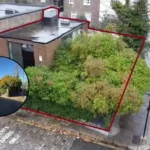
Haringey council has been implicated in a significant housing scandal where it has been placing or referring residents into Houses in Multiple Occupation (HMOs) that lack the legally required licenses. A recent Guardian investigation revealed that rather than treating unlicensed HMOs as unacceptable, the council continued to use properties for housing that they knew were illegally operating as HMOs without licences or even proper planning permission. One highlighted property was subject to planning enforcement action against the landlord, yet the council still placed residents there. This dual role of regulator and customer marks a serious failure to adhere to housing safety regulations, putting vulnerable residents at risk.
- Key Points
- What is the issue with illegal HMOs in Haringey?
- What political context surrounds these revelations?
- What action has been taken by Haringey’s opposition and council leadership?
- How severe is the problem of unlicensed HMOs in Haringey?
- What legal steps are available against unlicensed HMOs?
- What are the broader implications for housing regulation and tenant safety?
What political context surrounds these revelations?
These revelations come amid a broader pattern affecting councils primarily under Labour leadership. For instance, in Southwark borough, cases involving senior Labour figures emerged when Chancellor Rachel Reeves admitted to breaking housing regulations by renting out unlicensed properties she owns. Additionally, a Labour cabinet member for housing resigned after investigations revealed his own properties were unlicensed. These incidents have intensified scrutiny on Labour councils including Haringey and raised questions about adherence to licensing laws.
What action has been taken by Haringey’s opposition and council leadership?
The Haringey Liberal Democrat group has been proactive in response to these issues. Prior to the Guardian report, they had already raised concerns with the council’s chief executive. Following the report, meetings with the corporate director for housing were held to demand immediate reforms. A motion submitted to the full council calls for an urgent audit of every household placed or referred into an unlicensed HMO, a halt on placing residents in such properties, and the regular publication of compliance checks to increase transparency.
On the other hand, Haringey Council leadership, specifically Cllr Sarah Williams, Cabinet Member for Housing and Planning and Deputy Leader of the Council, has emphasised firm action against landlords who breach licensing laws. She stated that landlords knowingly operating unlicensed HMOs will face consequences including fines, and that tenant safety and well-maintained housing standards remain top priorities for the council. Licensing is seen as both a legal obligation and a vital mechanism to protect residents while supporting responsible landlords.
How severe is the problem of unlicensed HMOs in Haringey?
The problem is considerable, as evidenced by recent legal and financial penalties levied against landlords. For example, a landlord in Haringey was fined £19,975 for operating an unlicensed HMO. The fine reflected the landlord’s awareness of licensing requirements and the size of their property portfolio. Another landlord in Tottenham received a £10,000 fine for failing to license a property despite multiple warnings and an ongoing history of disrepair and tenant harassment. These cases illustrate ongoing enforcement challenges and highlight the council’s commitment to tackling rogue landlords but also expose systemic risks to tenant safety.
What legal steps are available against unlicensed HMOs?
When landlords operate HMOs without proper licences, councils have the authority to impose financial penalties, take planning enforcement action, and demand compliance. In Haringey, the council’s enforcement includes site visits, tenancy agreement inspections, and issuing fines. Licensing windows can be shortened (e.g., one-year licenses rather than typical five-year terms) as a further consequence if landlords apply late or under duress. Public reporting channels are also encouraged, allowing residents to report suspected unlicensed properties via the council website.
What are the broader implications for housing regulation and tenant safety?
The situation in Haringey reflects a wider challenge faced by local authorities in regulating HMOs effectively. While licensing aims to guarantee safe, well-maintained living conditions for tenants, failures in enforcement or council complicity in using unlicensed properties undermine these goals. The dual role of councils as regulators and service providers for housing places extra responsibility on them to avoid ethical conflicts and to protect vulnerable residents. Efforts by opposition parties to audit and increase transparency may push Haringey and other boroughs towards stricter compliance and better safeguards.