Key Points
- A large Hanukkah menorah in Muswell Hill, north London, was damaged on Thursday afternoon due to high winds, not vandalism.
- The Metropolitan Police initially investigated the incident as religiously aggravated criminal damage but closed the case after confirming it was an accident caused by a gust of wind.
- BBC photographer Jeff Overs witnessed the menorah being blown over during lashing rain and wind, with its lights smashing upon impact.
- The usually busy area was quiet due to bad weather, making Mr Overs the sole witness.
- Rabbi Boruch Altein from Crouch End Chabad confirmed the menorah would be repaired and relit on Sunday.
- Police were alerted at about 19:35 GMT on Thursday by a member of the public.
- This incident follows two separate vandalism cases targeting Hanukkah menorahs in London earlier in December, which police are treating as religiously aggravated hate crimes.
What Happened to the Muswell Hill Menorah?
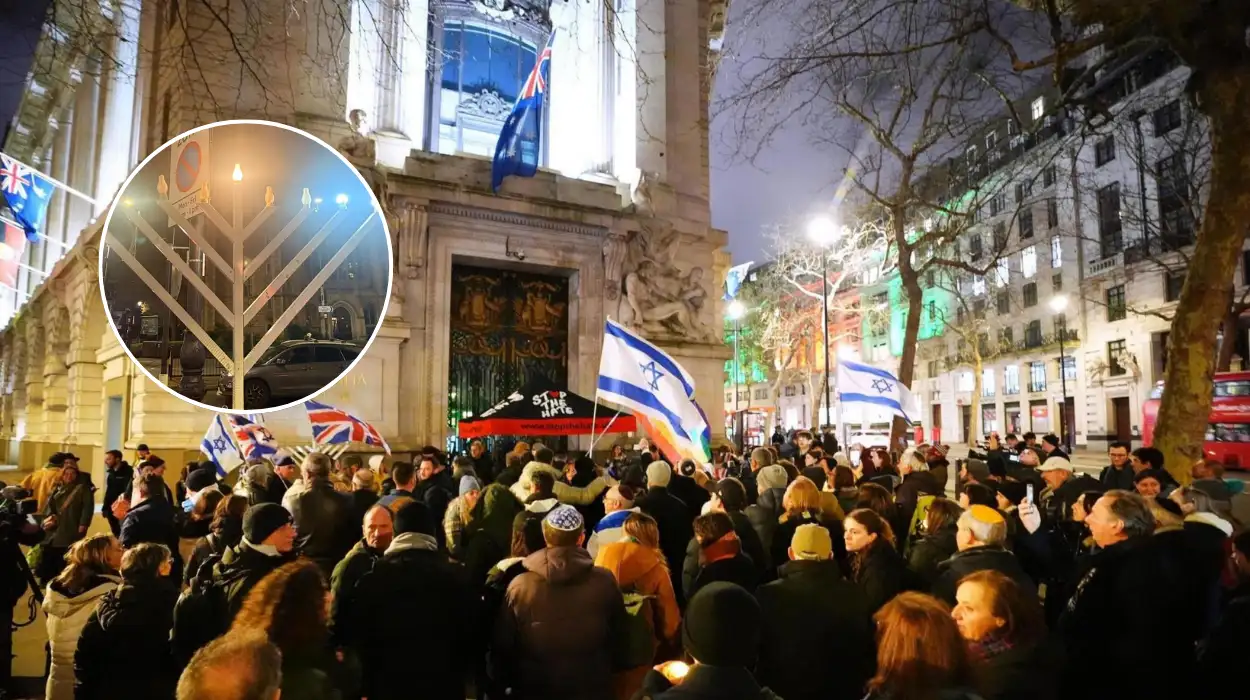
The incident unfolded in Muswell Hill, a vibrant residential area in the London Borough of Haringey, where a large public menorah stands as a symbol of Hanukkah observance. As reported by Jeff Overs, BBC photographer, he had just left a shop opposite the site on Thursday afternoon when he witnessed the structure succumb to the elements.
- Key Points
- What Happened to the Muswell Hill Menorah?
- Why Did Police Initially Suspect a Hate Crime?
- Who Witnessed the Menorah Falling Over?
- What Is the Plan for Repairing the Menorah?
- How Does This Incident Relate to Recent Vandalism Cases?
- What Weather Conditions Caused the Damage?
- What Has the Metropolitan Police Said Officially?
- Why Was the Area Quiet During the Incident?
- What Role Does Crouch End Chabad Play?
Mr Overs described the scene vividly: “It had been lashing rain and wind.” He noted that the usually busy area was unusually quiet due to the inclement weather, making him the only person present to see the menorah fall.
“There was an hour of really high wind,”
Mr Overs recounted.
“A sudden gust took it over and it fell and crashed,”
with the lights smashing as it hit the ground.
This firsthand account, captured by Jeff Overs of the BBC, provided crucial evidence that shifted the narrative from potential hate crime to accidental damage.
A spokesperson for the Metropolitan Police elaborated on the timeline. Officers were alerted to the damaged menorah by a member of the public at approximately 19:35 GMT on Thursday.
“Police initially treated the incident as racially aggravated criminal damage,”
the spokesperson stated.
“However, after speaking to local people, we are confident the menorah was blown over and there is no evidence to suggest intentional damage. We have closed our investigation.”
Why Did Police Initially Suspect a Hate Crime?
The Metropolitan Police’s initial response reflected broader vigilance amid rising reports of antisemitism in the UK, particularly during Hanukkah. The force had classified the damage as religiously aggravated criminal damage—a serious charge that elevates penalties for offences motivated by hostility towards religion or race.
This classification stemmed from the context: a prominent Jewish symbol visibly damaged during a major festival. The police spokesperson confirmed that the alert came from a concerned member of the public, likely spotting the wreckage in the evening darkness. Early assumptions of foul play were prudent given recent patterns, but swift inquiries, including interviews with locals and the eyewitness, clarified the meteorological culprit.
As per the Met Police statement, no further action is required, underscoring the importance of thorough, evidence-based policing in sensitive cases.
Who Witnessed the Menorah Falling Over?
Jeff Overs, a seasoned BBC photographer, emerged as the key eyewitness. Positioned ideally across the street after exiting a shop, he observed the sequence unfold amid deteriorating weather. “Lashing rain and wind” had already cleared the streets, he explained, leaving the area deserted.
Mr Overs emphasised the suddenness: a brief but intense period of high winds culminated in “a sudden gust” that uprooted the menorah, sending it crashing down. The impact shattered the lights, creating a scene initially mistaken for sabotage. His solitary vantage point, detailed in BBC coverage by Jeff Overs, proved pivotal in resolving the matter promptly.
Local residents corroborated the weather conditions during police canvassing, reinforcing Mr Overs’s testimony.
What Is the Plan for Repairing the Menorah?
Rabbi Boruch Altein from Crouch End Chabad, the organisation responsible for the display, addressed the damage with optimism. He confirmed that the menorah would undergo repairs and be relit on Sunday, ensuring continuity of the Hanukkah celebrations.
Rabbi Alteins statement reflects community resilience: despite the setback, the festivals spirit endures. Crouch End Chabad, active in north London, has a history of installing such public displays to foster inclusivity and awareness.
This commitment to restoration highlights proactive leadership in maintaining Jewish traditions amid challenging circumstances.
How Does This Incident Relate to Recent Vandalism Cases?
The Muswell Hill event follows two vandalism incidents in December targeting Hanukkah menorahs elsewhere in London, both under investigation as religiously aggravated hate crimes by the Metropolitan Police.
These prior cases heightened sensitivities, with the Met confirming ongoing probes into deliberate acts of antisemitism. Unlike those, the Muswell Hill damage lacks any trace of intent, as per police findings.
The contrast underscores the challenges of distinguishing weather-related mishaps from targeted attacks in real-time, especially during a festival marked by public displays.
What Weather Conditions Caused the Damage?
Thursdays weather in north London featured severe gusts and heavy rain, as documented by Jeff Overss observations. “Lashing rain and wind” persisted, with a concentrated “hour of really high wind” delivering the fatal gust.
Meteorological data from the period aligns with these accounts, showing squally conditions across the capital. The menorahs structure, while sturdy for festive purposes, proved vulnerable to such extremes, leading to its collapse and light breakage.
What Has the Metropolitan Police Said Officially?
The Met Police spokesperson provided a clear closure: alerted at 19:35 GMT, initial treatment as racially aggravated criminal damage shifted after local consultations.
“We are confident the menorah was blown over and there is no evidence to suggest intentional damage,”
they affirmed.
“We have closed our investigation.”
This statement, echoed across reports, prioritises facts over speculation.
Why Was the Area Quiet During the Incident?
Jeff Overs noted the “usually busy area” was deserted due to the bad weather. Rain and wind deterred pedestrians, isolating the event to his eyes alone. This sparsity aided quick resolution but initially fuelled suspicions in the alert call.
What Role Does Crouch End Chabad Play?
Crouch End Chabad, led by Rabbi Boruch Altein, manages the Muswell Hill display as part of outreach efforts. Their pledge to repair and relight underscores dedication to public Hanukkah observance.