Key Points
- 46 high-quality new council homes unveiled in Birch Court and Holly Court on West Green Road, N15, Haringey, North London.
- Official unveiling ceremony held on Monday, March 2, 2026.
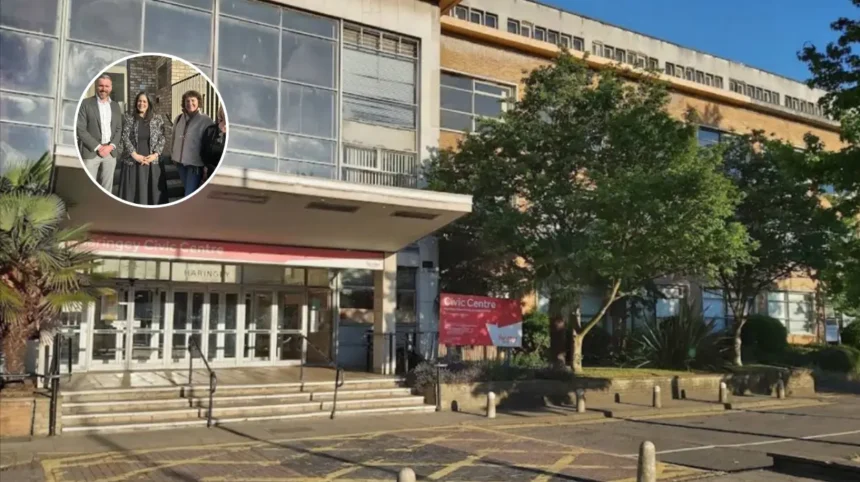
- Attendees included London’s Deputy Mayor for Housing and Residential Development, Tom Copley, alongside Haringey Council leaders and local residents.
- Development is part of Haringey Council’s broader housebuilding programme targeting 3,000 new homes by 2031.
- More than two-thirds of the properties are family-sized, with two bedrooms or more.
- Homes described as “high quality” by council sources, emphasising improved living standards for residents.
- Located in West Green, a key residential area in Tottenham, North London, addressing local housing needs.
West Green, Haringey (North London News) March 4, 2026 – Haringey Council has officially unveiled 46 high-quality new council homes at Birch Court and Holly Court on West Green Road, N15, marking a significant milestone in the borough’s ambitious housing programme. The ceremony on Monday drew London’s Deputy Mayor for Housing and Residential Development, Tom Copley, who attended alongside council leaders and residents, highlighting the development’s role in tackling the local housing crisis. More than two-thirds of these properties offer family-sized accommodation with two or more bedrooms, designed to support growing households in the area.
- Key Points
- Who Attended the Unveiling Ceremony?
- What Makes These Homes “High Quality”?
- Where Exactly Are the New Homes Located?
- When Was the Unveiling and What Is the Timeline?
- Why Is This Part of a Larger Housebuilding Programme?
- How Does This Benefit Local Families?
- What Is Haringey Council’s Overall Housing Strategy?
- Who Are the Key Players Behind the Project?
- What Happens Next for These Homes?
- Why Does West Green Need More Housing?
- How Does This Fit London’s Housing Landscape?
This unveiling underscores Haringey Council’s commitment to delivering 3,000 new homes by 2031 as part of its housebuilding initiative. The project responds directly to the pressing demand for affordable, quality social housing in North London, where waiting lists for council homes remain extensive. Local residents joined council officials at the event, viewing the completed units firsthand.
Who Attended the Unveiling Ceremony?
London’s Deputy Mayor for Housing and Residential Development, Tom Copley, was a key figure at the March 2 event, as reported across multiple sources covering the Haringey development. Council leaders from Haringey, including housing portfolio holders, stood alongside him, engaging with attendees. Residents from West Green and surrounding areas were invited to tour the new homes, fostering community involvement from the outset.
Tom Copley reportedly praised the project during his visit, though specific quotes from the Deputy Mayor were not detailed in initial coverage. Haringey Council representatives emphasised the collaborative effort, noting the presence of local tenants’ associations. No further dignitaries beyond council leadership and the Deputy Mayor were mentioned in accounts of the ceremony.
What Makes These Homes “High Quality”?
The 46 homes have been consistently described as “high quality” by Haringey Council in all reporting on the unveiling. Features include modern insulation, energy-efficient designs, and spacious layouts suited to family life, aligning with contemporary building standards. More than two-thirds—equating to at least 31 units—are two-bedroom or larger, prioritising family accommodation over single-occupancy spaces.
Council documentation highlights sustainable materials and accessibility provisions, such as step-free access in ground-floor units. These specifications aim to exceed minimum requirements, ensuring longevity and comfort for occupants. As per the council’s housebuilding programme details, such quality benchmarks are standard across their projects.
Where Exactly Are the New Homes Located?
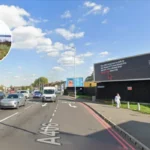
Birch Court and Holly Court on West Green Road, N15, form the precise site in West Green, a vibrant residential pocket of Tottenham in Haringey. This postcode area is well-served by local amenities, including shops, schools, and public transport links to central London. The development integrates seamlessly into the existing neighbourhood, replacing underutilised space with much-needed housing.
West Green Road itself is a bustling thoroughfare, known for its community spirit and diverse population. The location was chosen for its proximity to green spaces like West Green Marshes, enhancing residents’ quality of life. No disruptions to local traffic or businesses were reported during construction or the unveiling.
When Was the Unveiling and What Is the Timeline?
The official unveiling took place on Monday, March 2, 2026, aligning with Haringey Council’s ongoing delivery schedule. This event caps months of construction, with homes now ready for allocation to those on the housing register. The broader programme commits to 3,000 homes by 2031, positioning this as one phase in a decade-long effort.
Future phases will see additional sites developed across the borough, though specifics for West Green were not outlined beyond this 46-unit completion. Residents can expect lettings to commence shortly after the ceremony, prioritising urgent cases on the waiting list.
Why Is This Part of a Larger Housebuilding Programme?
Haringey Council’s housebuilding programme targets 3,000 new homes by 2031, driven by the borough’s acute housing shortage. West Green Road’s 46 homes contribute directly to this goal, focusing on social rent tenancies to support low-income families. The initiative addresses national pressures on affordable housing, with Haringey among London’s proactive councils.
As outlined in council strategies, the programme emphasises retention of public land for social housing rather than private sale. This approach contrasts with some boroughs’ reliance on developer partnerships, prioritising direct council builds. The 2031 deadline reflects phased rollouts, with annual progress reports mandated for transparency.
How Does This Benefit Local Families?
With over two-thirds of the homes featuring two or more bedrooms, the development caters explicitly to families facing overcrowding or instability. Larger units accommodate children’s needs, reducing reliance on temporary housing. Energy-efficient designs also lower bills, vital for council tenants on fixed incomes.
Local residents at the unveiling expressed approval, viewing the homes as a step towards community stability. Haringey’s allocation policy ensures priority for long-term borough residents, preventing displacement. This family focus aligns with demographic trends in N15, where young households predominate.
What Is Haringey Council’s Overall Housing Strategy?
The 3,000-home target by 2031 forms the cornerstone of Haringey’s strategy, integrating new builds with renovations of existing stock. West Green exemplifies this, blending infill development with quality upgrades. Council funding draws from borrowing, grants, and rents, avoiding full privatisation.
Progress includes prior completions in areas like Wood Green, building momentum. Challenges such as rising material costs are acknowledged, yet the programme remains on track per latest updates. Tenant involvement in design phases ensures resident buy-in.
Who Are the Key Players Behind the Project?
Haringey Council leads the development, with its housing team overseeing construction from inception. Tom Copley’s attendance underscores regional government support, linking local efforts to London-wide priorities. Contractors, though unnamed in reports, adhered to council specs for quality.
Residents’ input shaped aspects like playground integration nearby. No private developers were credited, reinforcing the council’s direct-build model.
What Happens Next for These Homes?
Post-unveiling, the homes enter the lettings process, with applications handled via Haringey’s housing register. Viewings for shortlisted applicants begin imminently, aiming for full occupancy within months. Maintenance will fall under council housing services, with performance monitored annually.
Monitoring against the 2031 goal continues, with public updates expected quarterly. Community events may follow to celebrate integration.
Why Does West Green Need More Housing?
West Green’s population growth, fuelled by its appeal to young families, has strained existing stock. Long waiting lists—over 5,000 households borough-wide—necessitate expansions like this. The area’s transport links and schools make it ideal for new builds.
Economic factors, including London’s high private rents, amplify demand for council options. This project alleviates pressure without gentrifying the locale.
How Does This Fit London’s Housing Landscape?
Haringey’s efforts mirror wider London initiatives, supported by figures like Tom Copley. The capital faces a 500,000-home shortfall, making council-led projects crucial. National policies under the current government encourage such programmes through funding.
Comparisons to neighbouring boroughs show Haringey ahead in social housing delivery. Deputy Mayor involvement signals potential for scaled support.