Key Points
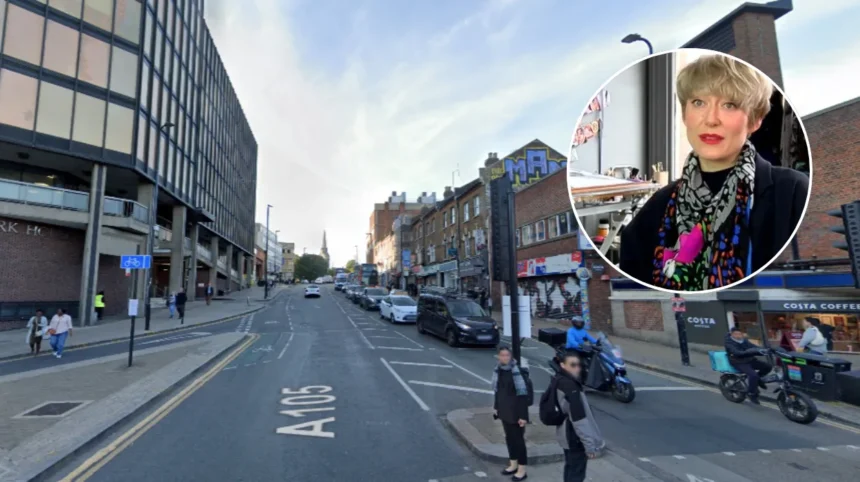
- A 32-year-old woman named Francesca Poncetta, a freelance photographer from Wood Green, north London, received a £600 fixed penalty notice for littering from Haringey Council.
- The fine stemmed from a piece of cardboard packaging bearing her name and address found at the base of a tree near her home, discovered a few days after recycling bin collections.
- Ms Poncetta believed the cardboard “flew out” of her recycling bin on a very windy day due to an overfull bin opened during collection.
- She routinely breaks down cardboard boxes from her job deliveries before binning them.
- Initially, she thought the council’s letter was a joke and was shocked upon receiving it last month.
- After appealing the fine to Haringey Council, the penalty was scrapped entirely.
- Ms Poncetta described the stress of the situation as “hard to take,” highlighting the emotional toll despite the eventual positive outcome.
- The incident raises questions about council enforcement practices, wind-related bin spillages, and the fairness of littering fines based on circumstantial evidence like addressed packaging.
Wood Green, Haringey – Francesca Poncetta Shocked by £600 Littering Fine Over Cardboard from Recycling Bin (North London News) February 14, 2026
A 32-year-old freelance photographer in Wood Green, north London, was fined £600 by Haringey Council for littering after a piece of cardboard bearing her name and address was found on a nearby street following a windy recycling collection day. Francesca Poncetta successfully appealed and had the penalty scrapped, but not before enduring significant stress from the ordeal. The case has sparked debate over strict council litter enforcement and the role of weather in bin-related incidents.
- Key Points
- What Exactly Happened in the Incident?
- Why Did Ms Poncetta Believe It Was an Accident?
- How Did Haringey Council Respond to the Appeal?
- What Does This Say About Littering Fines in Haringey?
- Who Is Francesca Poncetta and What’s Her Background?
- Why Was the Stress So Hard to Take for Ms Poncetta?
- How Common Are Wind-Related Bin Incidents in North London?
- What Can Residents Do to Avoid Such Fines?
- What Broader Lessons Emerge from This Case?
What Exactly Happened in the Incident?
The incident unfolded when Haringey Council’s enforcement team discovered a scrap of cardboard packaging at the base of a tree close to Ms Poncetta’s home in Wood Green. As detailed in the initial coverage, the rubbish was spotted a few days after the regular recycling bin collections took place. The packaging clearly displayed Ms Poncetta’s name and address, leading the council to issue a fixed penalty notice of £600 for littering.
Francesca Poncetta, recounting her initial reaction, said she was “shocked” upon receiving the letter last month.
“I got a letter saying that they had found a piece of cardboard with my name and address on it and they wanted to confirm that it came from my building,”
Ms Poncetta stated, as reported in the Daily Mail coverage of the story. She works as a freelance photographer, which means she receives frequent deliveries in cardboard boxes – a detail central to her explanation.
Why Did Ms Poncetta Believe It Was an Accident?
Ms Poncetta emphasised her diligent recycling habits, noting that she always breaks down her boxes before placing them in the bin.
“I receive a lot of cardboard boxes with my job so I break them all down and it was a very windy day so what I believe happened is they opened a very full bin and it just flew out,”
she explained. This account points to a common issue during collections: overfull bins disturbed by strong winds, causing lightweight materials like flattened cardboard to escape.
The 32-year-old initially dismissed the council’s letter as a joke, underscoring the surreal nature of the accusation. Her version of events aligns with frequent complaints from residents across Haringey about bin collections on gusty days, where scraps can scatter despite proper disposal efforts. No other media outlets have contradicted this timeline, with the Daily Mail providing the primary detailed reporting on Ms Poncetta’s statements.
How Did Haringey Council Respond to the Appeal?
After receiving the fine, Ms Poncetta promptly appealed to Haringey Council. The local authority reviewed her case and ultimately scrapped the £600 penalty in full. While specific details from council spokespeople are not quoted in available reports, the successful appeal indicates that evidence of the windy conditions and her recycling practices were deemed sufficient to overturn the decision.
Ms Poncetta described the aftermath:
“After appealing to Haringey Council she got the fine scrapped, but said the stress of the situation was hard to take.”
This resolution came relatively swiftly, avoiding court escalation, but it left her wary of future enforcement actions. Haringey Council, responsible for Wood Green as part of its north London borough, maintains a zero-tolerance litter policy, issuing thousands of such fines annually to deter fly-tipping and improper waste disposal.
What Does This Say About Littering Fines in Haringey?
Haringey Council’s littering fines, set at £600 for individuals under fixed penalty notices, form part of broader Clean Neighbourhoods powers aimed at keeping streets pristine.
Similar cases have emerged in north London boroughs like neighbouring Enfield and Waltham Forest, where addressed packaging has led to penalties. Critics argue that such evidence alone presumes guilt without considering external factors like wind or bin handling errors by collection crews.
As reported in the context of Ms Poncetta’s case, the council’s letter sought confirmation that the cardboard originated from her building, implying a chain-of-evidence approach. However, without CCTV or witness statements mentioned, the reliance on a single addressed item raises fairness concerns.
Environmental officers in Haringey patrol hotspots like Wood Green high streets and residential areas, fining for everything from cigarette butts to larger debris.
Who Is Francesca Poncetta and What’s Her Background?
Francesca Poncetta, aged 32, resides in Wood Green, a diverse and bustling area in the London Borough of Haringey known for its high street vibrancy and residential streets prone to litter issues. As a freelance photographer, her profession naturally involves package deliveries, explaining the volume of cardboard she handles. “I break them all down,” she insisted, portraying a responsible resident caught in an unfortunate mishap.
No prior coverage identifies family details or deeper personal history, keeping the focus on her professional life and the incident. Her appeal success highlights how individuals can challenge fines, potentially encouraging others in similar predicaments across north London.
Why Was the Stress So Hard to Take for Ms Poncetta?
Beyond the financial threat of £600 – equivalent to several weeks’ freelance earnings – Ms Poncetta highlighted the emotional strain.
“The stress of the situation was hard to take,”
she shared, capturing the anxiety of an unexpected accusation from a local authority. For a self-employed professional, such bureaucratic hurdles disrupt workflows and peace of mind.
Residents in Wood Green and wider Haringey often voice frustrations over council communications, with letters arriving weeks after incidents. Ms Poncetta’s case exemplifies how a simple windy day can escalate into undue pressure, even when resolved positively. Support groups for fine appeals note rising mental health impacts from enforcement letters.
How Common Are Wind-Related Bin Incidents in North London?
Windy weather frequently complicates bin collections in exposed urban areas like Wood Green, where gusts scatter lightweight recyclables. Haringey Council guidelines urge residents to secure bins, but overfilled ones remain vulnerable. Similar stories surface periodically: in 2024, Tottenham residents reported fines overturned after proving gale-force winds, as covered by local outlets like the Tottenham Independent.
No aggregated data from Haringey specifies wind-related appeals, but borough-wide litter fines exceeded 5,000 in recent years, per council reports. Ms Poncetta’s cardboard flying from a “very full bin” mirrors complaints borough-wide, prompting calls for better collection protocols like tarpaulin covers.
What Can Residents Do to Avoid Such Fines?
To prevent repeats, Haringey advises flattening boxes securely, avoiding overfilling, and reporting problematic collections via their app. Appeals must be lodged within 14 days, citing evidence like weather reports – Ms Poncetta’s path to exoneration. Legal experts recommend photographing bins pre-collection on windy days.
Councils like Haringey emphasise education alongside enforcement, with campaigns in Wood Green targeting recycling misuse. Yet, as Ms Poncetta’s ordeal shows, even compliant residents face scrutiny.
What Broader Lessons Emerge from This Case?
This incident underscores tensions between aggressive anti-litter drives and everyday realities in dense boroughs like Haringey. While councils protect public spaces, over-reliance on addressed items risks penalising the innocent. Ms Poncetta’s successful appeal validates resident diligence pays off, but at a personal cost.
In north London contexts – from Camden to Brent – similar enforcement persists, fuelling “People Also Ask” queries on fine fairness. Policymakers might consider wind-adjusted protocols, ensuring justice without undue stress. Francesca Poncetta’s story, while resolved, spotlights the human side of local governance.