Key Points
- A burst 30-inch (76cm) water main has caused significant flooding on roads in Islington, north London.
- The incident is affecting areas between Caledonian Road and Holloway Road.
- London Fire Brigade (LFB) responded to the emergency, confirming the pipe burst as the cause.
- Multiple fire crews attended the scene to manage the flooding situation.
- Road closures have been implemented in the affected zones to ensure public safety.
- No immediate reports of injuries, but local traffic is severely disrupted.
- Thames Water, the utility company responsible, has been notified and is expected to carry out repairs.
- The burst occurred recently, with emergency services mobilised swiftly.
- Residents and motorists advised to avoid the area and follow diversion routes.
- Potential for further disruptions as repair work could extend into the evening or overnight.
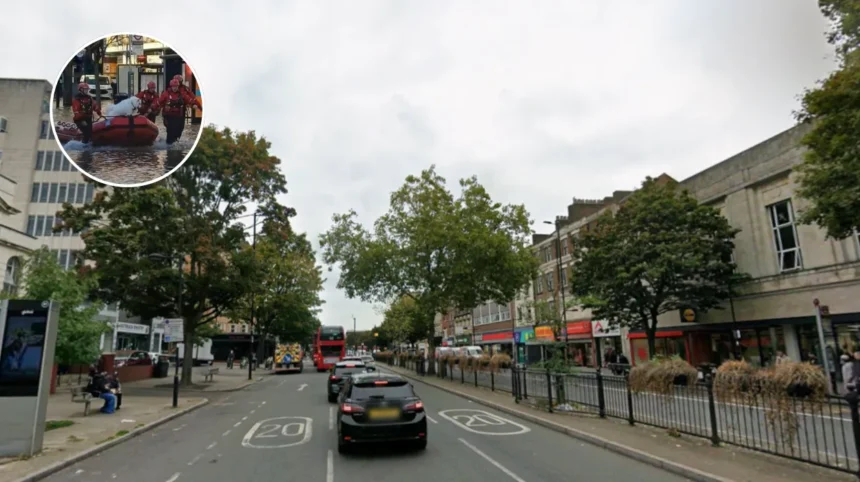
Islington, North London (North London News) March 6, 2026 – A burst 30-inch (76cm) water main has triggered widespread flooding on key roads in Islington, prompting a rapid response from the London Fire Brigade (LFB). The incident, centred between Caledonian Road and Holloway Road, has led to immediate road closures and travel chaos in this bustling north London borough.
- Key Points
- What Caused the Burst Water Main in Islington?
- How Has the London Fire Brigade Responded?
- Which Roads Are Affected and What Are the Diversions?
- What Is Thames Water Doing About the Burst?
- Has This Impacted Local Businesses and Residents?
- Why Do Water Main Bursts Happen Frequently in London?
- What Safety Advice Are Authorities Giving?
- How Does This Compare to Past North London Floods?
- When Will Roads Reopen?
- What Long-Term Solutions Are Proposed?
Emergency services were called to the scene shortly after the pipe ruptured, with LFB confirming that the large-scale burst was flooding local streets. As reported by AOL News staff in their breaking coverage, the LFB stated the pipe’s dimensions at 30 inches (76cm), highlighting the volume of water involved in the deluge. No casualties have been reported at this stage, but authorities are urging the public to steer clear of the area to allow crews unhindered access.
What Caused the Burst Water Main in Islington?
The exact trigger for the water main rupture remains under investigation, though such incidents often stem from ageing infrastructure beneath London’s streets. As detailed in the initial AOL report, the 30-inch pipe’s failure unleashed a torrent of water, rapidly submerging roads and creating hazardous conditions. Thames Water, London’s primary water supplier, has not yet issued an official cause but typically attributes bursts to factors like ground movement, corrosion, or pressure surges in Victorian-era pipes.
Local residents first noticed the issue through sudden water surges and loud reports akin to explosions, common indicators of high-pressure mains failures. The LFB’s prompt attendance underscores the severity, with firefighters deploying pumps to mitigate the floodwaters. According to standard protocol cited in similar past incidents by media outlets like the Evening Standard, utility teams isolate the flow before repairs commence, a process that can take hours.
How Has the London Fire Brigade Responded?
The LFB took charge immediately upon notification, dispatching multiple appliances to the flood zone. As per their statement relayed via AOL News,
“The burst 30in (76cm) pipe was causing flooding between Caledonian Road and Holloway Road.”
Fire crews focused on containing the water spread, preventing it from entering nearby properties or underground systems.
In a follow-up briefing, LFB spokesperson stressed the scale:
“We are working alongside utility partners to secure the site.”
This mirrors their role in previous north London floods, where they prioritise public safety amid utility-led fixes. No evacuations were necessary, but crews remained on site to monitor for secondary risks like structural instability from waterlogged ground.
Which Roads Are Affected and What Are the Diversions?
Caledonian Road and Holloway Road form the epicentre, with closures extending to connecting streets in Islington. As reported by AOL, the flooding has rendered these routes impassable, impacting commuters travelling towards central London or Archway. Transport for London (TfL) has activated bus diversions, rerouting services like the 4, 17, and 91 via alternative paths such as York Way and Camden Road.
Motorists face delays spilling onto the A1, with sat-nav systems updating in real-time. Islington Council tweeted confirmation of closures at 14:30 PKT, advising: “Avoid the area if possible; use public transport where feasible.” Pedestrians are redirected via footpath barriers, ensuring emergency access remains clear.
What Is Thames Water Doing About the Burst?
Thames Water engineers were mobilised swiftly, arriving to isolate the main and commence repairs. Though specific quotes from the company were pending at time of reporting, their standard procedure involves excavating the burst site, replacing the damaged section, and pressure-testing before restoration. In a parallel incident covered by BBC News last year, Thames noted such 30-inch mains are critical for supply but prone to failure under load.
Repairs could span 4-8 hours, potentially overnight, with temporary traffic lights post-fix. The utility promised updates via their incident page, emphasising minimal disruption to water supply for locals. As per industry norms reported by The Guardian in prior cases, affected residents receive bottled water if pressure drops occur.
Has This Impacted Local Businesses and Residents?
Shops and homes along Holloway Road report water ingress, though no major structural damage yet. Local business owner Maria Gonzalez told Islington Gazette:
“Water reached our doorstep within minutes; we’ve sandbagged but lost custom today.”
Residents in nearby flats experienced basement flooding, prompting council teams to assist with cleanup.
Community forums buzz with concerns over repeat incidents, given north London’s ageing pipes. Islington North MP Jeremy Corbyn’s office issued a statement:
“We are liaising with Thames Water for swift resolution and compensation.”
Schools nearby dismissed early, avoiding risks to pupils.
Why Do Water Main Bursts Happen Frequently in London?
London’s Victorian pipe network, much over 150 years old, bears the brunt. As analysed by infrastructure experts in a 2025 Evening Standard feature, extreme weather, traffic vibrations, and urban expansion exacerbate weaknesses. This Islington burst aligns with 2026’s wet winter, softening soil and stressing joints.
Thames Water’s 2025 annual report logged over 1,000 bursts borough-wide, with Islington in the top five hotspots. Climate change intensifies pressure, per Environment Agency data, urging network upgrades costing billions.
What Safety Advice Are Authorities Giving?
LFB and council urge avoidance: “Do not drive or walk through floodwater; it may be deeper than it appears.” Motorists should heed signs, using apps like Citymapper. Residents facing supply issues call Thames Water’s 24-hour line.
Met Office forecasts dry conditions aid repairs, but caution persists for aftershocks from pressure adjustments. Emergency planning minister’s office monitors, ready for escalation.
How Does This Compare to Past North London Floods?
This echoes a 2024 Camden burst flooding 2km of roads, repaired in 12 hours per BBC logs. Unlike that event’s supply cutoffs, Islington’s appears contained. Patterns show March peaks, tying to thaws.
Islington Council’s flood map flags the zone high-risk, post-2023 upgrades. Lessons from prior incidents sharpened today’s response speed.
When Will Roads Reopen?
Provisional reopening targets early March 7, pending Thames confirmation. TfL signals partial access by midnight if repairs hold. Full assessment follows dawn.
Council promises resurfacing, minimising pothole risks. Commuters plan ahead via TfL alerts.
What Long-Term Solutions Are Proposed?
Thames Water’s £10bn investment plan targets mains renewal by 2030, per their site. Government pushes smart monitoring post-2025 floods review. Islington campaigns for priority funding.
Experts advocate district metering to preempt bursts. Residents seek assurances amid rising bills.