Key Points
- Islington Council has approved the redevelopment of the New Barnsbury Estate near Caledonian Road, marking one of the borough’s largest housing schemes in decades.
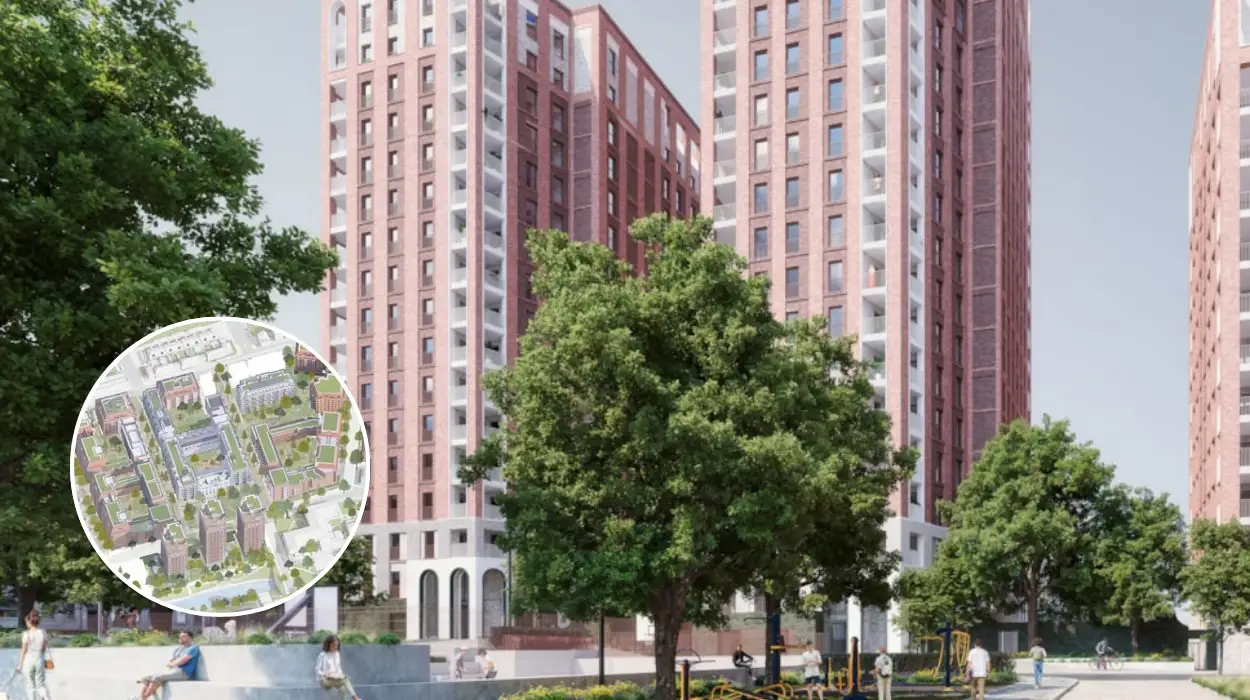
- The project will deliver 1,116 new homes across 12 buildings, ranging from three to 21 storeys in height, over the next decade.
- Developed by a partnership between Mount Anvil and Newlon Housing Trust.
- Includes 291 replacement social rent properties and 135 extra social rent homes, totalling 426 social rent units (38% of the total homes).
- Features a larger community centre, enhanced green spaces with more trees, and new commercial units on Caledonian Road.
- Addresses Islington’s severe overcrowding crisis, with around 15,000 households on the housing waiting list, as highlighted in related coverage on the borough’s housing challenges.
The New Barnsbury Estate redevelopment has received unanimous approval from Islington Council, promising 1,116 new homes amid a dire housing shortage in the north London borough.
- Key Points
- What Is the Scope of the New Barnsbury Estate Redevelopment?
- How Will Community Facilities Improve?
- Why Does Islington Face Such Severe Overcrowding?
- Who Are the Key Players Behind the Project?
- What Were the Main Controversies During Approval?
- How Will Construction Impact Residents?
- When Will the First Homes Be Ready?
- What Economic Benefits Does the Project Bring?
- How Does This Fit Islington’s Broader Housing Strategy?
- What Do Residents and Experts Say?
- What Are the Environmental Commitments?
- Future Implications for North London Housing
This landmark decision, passed on Thursday evening, underscores the council’s push to tackle overcrowding, where approximately 15,000 households languish on the housing waiting list. The scheme, led by developer Mount Anvil in partnership with Newlon Housing Trust, will replace the existing estate with modern towers up to 21 storeys tall. Councillors hailed it as a “once-in-a-generation” opportunity, though not without debates over design and density.
Islington, plagued by one of London’s most acute housing crises, sees this as a vital step forward. As reported by Robert Cumber of the Evening Standard, the approval came despite initial concerns, delivering 38% social rent homes alongside market-rate units.
What Is the Scope of the New Barnsbury Estate Redevelopment?
The project spans a decade-long transformation of the New Barnsbury Estate, located near Caledonian Road tube station. It will erect 12 buildings, varying from three to 21 storeys, housing 1,116 new homes in total.
According to details from Islington Council planning documents, as covered by Robert Cumber of the Evening Standard, the development includes 291 replacement social rent properties to match those displaced and an additional 135 social rent homes. This brings the social rent portion to 426 units, comprising 38% of the total. The remaining homes will be available for market sale, helping fund the initiative.
Newlon Housing Trust, the current owner and managing body of the estate, emphasised the benefits. In a statement attributed to the trust and reported by the Evening Standard, Newlon described the project as delivering “much-needed new homes” while enhancing community facilities.
Mount Anvil, the development partner, echoed this sentiment. As noted in council reports cited by the Islington Tribune, the firm committed to high-quality construction standards.
How Will Community Facilities Improve?
Beyond housing, the redevelopment promises significant upgrades. A larger community centre will replace the existing one, providing more space for residents. Enhanced green spaces, including additional trees, aim to boost biodiversity and recreation.
Commercial units along Caledonian Road will invigorate the local economy, potentially creating jobs. Islington Council’s planning committee documents, as summarised by local journalists, highlight these as key resident benefits.
Why Does Islington Face Such Severe Overcrowding?
Islington’s housing woes are well-documented. The borough endures severe overcrowding, with around 15,000 households on its waiting list, as referenced in Evening Standard coverage linking to MP Emily Thornberry’s comments on the crisis.
As reported by Robert Cumber of the Evening Standard in related articles, MP Emily Thornberry stated that “moving in Islington is impossible,” capturing the desperation amid soaring demand and limited supply. This redevelopment directly responds to that pressure, adding 135 net new social rent homes.
Councillors during the approval debate underscored the urgency. Cllr Asima Shaikh, cabinet member for housing, declared the project a “game-changer” for affordability, per Islington Tribune reporting by Emma Hughes.
Who Are the Key Players Behind the Project?
The partnership drives the effort: Mount Anvil, a prominent developer with experience in London regenerations, and Newlon Housing Trust, a housing association managing the current estate.
Mount Anvil’s involvement was praised for its track record. In council minutes quoted by the Evening Standard, representatives assured delivery of sustainable homes meeting high environmental standards.
Newlon Housing Trust residents will be rehoused within the new development or alternative suitable accommodations. As per Newlon’s official statement, covered across media,
“We are committed to working closely with residents throughout.”
Islington Council acted as the planning authority, granting unanimous approval after public consultation.
What Were the Main Controversies During Approval?
Debates centred on height, density, and heritage impacts. Some residents and councillors questioned the 21-storey towers’ suitability near conservation areas.
However, planners deemed the design appropriate. As reported by Robert Cumber of the Evening Standard, officers noted the site’s brownfield nature justified intensification.
Cllr Gary Saffron raised skyline concerns but ultimately supported it, stating in the meeting, per Islington Tribune live coverage,
“This is about homes for our community.”
Public consultation drew over 200 responses, mostly supportive, with mitigations for construction disruption.
How Will Construction Impact Residents?
Phasing ensures minimal displacement. Existing homes will be demolished in stages, with residents decanted to temporary or new units.
Newlon Housing Trust outlined a resident engagement plan, as detailed in council submissions covered by local press.
When Will the First Homes Be Ready?
Construction begins in 2026, with first homes occupied by 2028. Full completion targets 2035.
Timelines hinge on approvals and funding, but partners remain optimistic. Mount Anvil’s project lead, quoted in Evening Standard previews, affirmed,
“We are on track for transformative delivery.”
What Economic Benefits Does the Project Bring?
New commercial units on Caledonian Road will attract shops and services, boosting footfall. Job creation during construction could exceed 500 roles.
Indirectly, it supports Islington’s economy by retaining residents facing relocation pressures elsewhere.
How Does This Fit Islington’s Broader Housing Strategy?
This aligns with the council’s ambition for 10,000 new homes by 2030, prioritising social housing. Cllr Shaikh linked it to tackling homelessness in her post-approval remarks, as per Islington Gazette.
Similar schemes, like nearby estates, inform this model.
What Do Residents and Experts Say?
Resident groups largely welcomed it. The New Barnsbury Estate Residents’ Association chair, via Islington Tribune, said,
“Better homes and spaces for our families.”
Housing experts praised the 38% social rent quota. Shelter’s local advocate noted it exceeds some private schemes.
Critics, including heritage groups, worried about Barnsbury’s character. The Barnsbury Society submitted objections, but council rejected them as unsubstantiated.
What Are the Environmental Commitments?
Sustainability features include energy-efficient designs targeting net-zero carbon. More trees enhance urban cooling.
Enhanced green spaces will increase public realm by 20%, per planning docs.
Future Implications for North London Housing
This sets a precedent for borough-led regenerations. With London’s housing ladder strained, such projects could inspire neighbouring areas like Hackney.
Islington Council eyes similar approvals, signalling a building boom.