Key Points
- Islington Council ended funding for its Non-Recent Abuse Team trauma support service on March 31, 2026.
- The service, funded since 2018, supported survivors of historic child abuse in the borough’s children’s homes, including rape, sex trafficking, and physical abuse.
- A former council leader called the scandal “the darkest chapter in the council’s history.”
- Council claims ongoing support via Islington Mind’s new service, described as “meaningful, trauma-informed.”
- Islington Survivors Network (ISN) criticises the decision, saying it leaves over 800 survivors without proper support and breaks promises of lifelong specialist care.
- Survivor Jane Frawley, speaking to Local Democracy Reporting Service (LDRS), highlighted short waiting lists under the old service.
- Campaigners describe the cut as “devastating” and accuse the council of failing to transition properly, leaving survivors “depressed and anxious.”
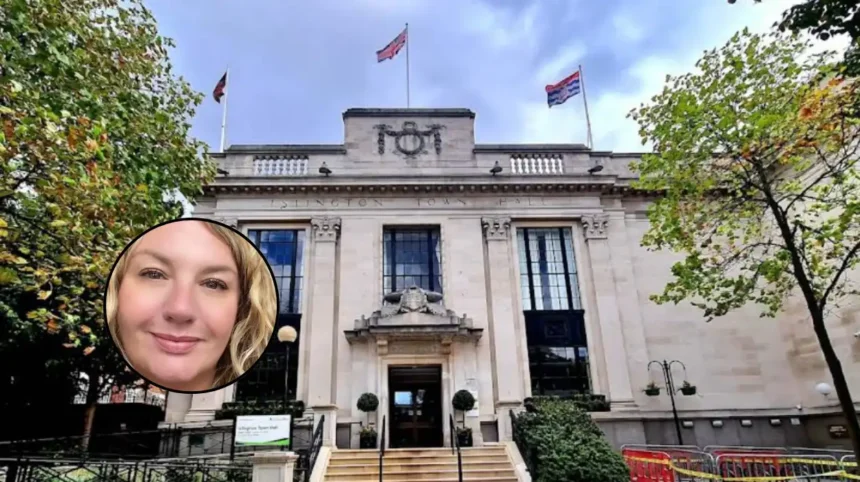
Islington (North London News) – April 22, 2026 – A survivor of child abuse in Islington has criticised the council’s decision to end funding for a specialist trauma therapy service, calling it “devastating” amid concerns over support for victims of historic abuse in the borough’s care homes.
- Key Points
- Why Did Islington Council End the Trauma Support Service?
- What Replacement Service Has the Council Introduced?
- How Have Survivors Responded to the Funding Cut?
- What Is the History of Child Abuse Scandals in Islington Care Homes?
- Has the Council Addressed Survivor Concerns Directly?
- What Support Remains Available for Survivors?
- Background of the Development
- Prediction: Impact on Survivors
Why Did Islington Council End the Trauma Support Service?
The council officially terminated its Non-Recent Abuse Team on March 31, 2026, a service it had funded since 2018 to provide specialist support for individuals who experienced sexual exploitation while in Islington’s children’s homes.
As reported in MyLondon by journalist Phoebe Fuller, the decision affects survivors who have come forward with accounts of crimes, including rape, sex trafficking, and physical abuse perpetrated by care workers. Hundreds of individuals and witnesses have reported such incidents over the years.
A former council leader described the historic scandal as “the darkest chapter in the council’s history,” according to coverage in MyLondon. The Non-Recent Abuse Team offered targeted therapy for these survivors, addressing the long-term impacts of non-recent child abuse.
What Replacement Service Has the Council Introduced?
Islington Council maintains that it continues to fund “meaningful, trauma-informed” support through a new service delivered by mental health charity Islington Mind. The council’s statement, referenced in MyLondon’s article,
“North London council slated for dragging feet on child abuse support,”
emphasises this transition as a way to sustain help for survivors. Islington Mind’s Survivors Support Service is now the primary provider, as detailed on the council’s website and Islington Mind’s mental health recovery pathway page.
However, specifics on the new service’s capacity, waiting times, and specialist focus remain limited in public statements. The council has not detailed how many staff or sessions this replaces from the previous team.
How Have Survivors Responded to the Funding Cut?
The Islington Survivors Network (ISN), established to support more than 800 survivors of historic child abuse in the borough, has strongly condemned the move. In statements on their website (islingtonsurvivors.co.uk) and reported by MyLondon, ISN accuses the council of cutting “them off at the knees” by failing to establish the new service properly before closing the old one. Campaigners describe the lost service as “fantastic” and claim the council broke promises to provide lifelong specialist support.
Speaking to the Local Democracy Reporting Service (LDRS), survivor and campaigner Jane Frawley stated that the old system allowed victims to benefit from short waiting lists for specialist support. As reported by LDRS journalist Josef Steen in MyLondon, Frawley said:
“The old service meant we had access quickly, and now we’re left in limbo, depressed and anxious.”
ISN has highlighted that the abrupt change exacerbates trauma for those already vulnerable.
What Is the History of Child Abuse Scandals in Islington Care Homes?
Reports of abuse in Islington’s care homes date back decades, with inquiries revealing systemic failures. The council’s own pages on support for survivors of non-recent child abuse acknowledge hundreds of reports involving rape, trafficking, and physical violence by staff. MyLondon’s coverage, including articles on local election candidates and council services, links this to ongoing community concerns about governance.
As noted by Phoebe Fuller of MyLondon in
“North London council slated for dragging feet on child abuse support,”
The scandal prompted the 2018 launch of the Non-Recent Abuse Team as a direct response. Witnesses and survivors have numbered in the hundreds, with the local authority facing criticism for its historical handling.
Has the Council Addressed Survivor Concerns Directly?
No direct quotes from current council leaders responding to ISN or Frawley’s specific criticisms appear in available reports. The council’s position, as per MyLondon and its official site, rests on the Islington Mind partnership.
Coverage in related articles, such as those on Islington local elections by MyLondon, notes broader scrutiny of council services but no dedicated rebuttal to the therapy cut.
ISN’s campaigners, as reported across sources, argue that the new service lacks the specialism of the previous team. Jane Frawley, via LDRS, emphasised the practical benefits lost: immediate access to therapy tailored to abuse histories.
What Support Remains Available for Survivors?
Survivors can access Islington Mind’s service, which the council funds as a trauma-informed alternative. The charity’s website outlines pathways for mental health recovery, including support for survivors. Islington Council’s social care pages direct individuals to this for non-recent abuse cases.
However, ISN warns of gaps, stating on their site that the transition has not been seamless. MyLondon reports confirm that no overlap period existed, leading to service interruptions.
Background of the Development
The child abuse scandal in Islington’s care homes emerged prominently in the 1990s through investigations by journalists like Liz Davies, who uncovered patterns of sexual exploitation and cover-ups. Official inquiries, including the 1997 Report of the Islington Tribunal, validated survivor accounts and led to resignations. In response, the council established the Non-Recent Abuse Team in 2018 to offer dedicated therapy, funded amid public pressure.
This service operated until March 31, 2026, when funding shifted to Islington Mind following a review of resources. The Islington Survivors Network formed around 2015 to advocate for over 800 identified survivors, pushing for sustained specialist care.
Prediction: Impact on Survivors
This development may increase waiting times for therapy, as the previous service’s short lists vanish without a proven equivalent in the new model. Survivors could face heightened anxiety from service gaps, potentially delaying recovery and straining personal mental health. Over 800 ISN members might seek private or external support, raising costs for individuals reliant on council aid. Community trust in Islington Council’s handling of historic abuse may erode, prompting more advocacy or legal claims. Long-term, if Islington Mind scales effectively, access could stabilise; otherwise, broader NHS pressures on trauma services in North London may compound vulnerabilities for this group.