Key Points
- Islington Council has launched what it describes as London’s first Poverty Truth Commission at Islington Town Hall on 12 November.
- The initiative is hosted by Islington Council and facilitated by the local charity Help on Your Doorstep.
- Residents with lived experience of poverty serve as Community Commissioners alongside Civic and Business Commissioners as equal partners.
- Over the next 18 months, the commission will investigate barriers to accessing local support, develop practical solutions to make services easier to navigate, and embed changes across organisations.
- Council leader Una O’Halloran stated that the commission brings residents and decision-makers together to address how poverty affects health, wellbeing, confidence, opportunities, and relationships.
- Community Commissioner and co-chair James Wooton emphasised that the space allows people with lived experience to shape change directly rather than having decisions made about them.
Islington (North London News) November 12 – Islington Council has officially launched what it describes as London’s first Poverty Truth Commission, uniting residents who have lived experience of poverty with local decision-makers as equal partners.
- Key Points
- What Is the Purpose of the Islington Poverty Truth Commission?
- What Did Council Leader Una O’Halloran Say About the Initiative?
- How Will Residents With Lived Experience Shape Change?
- What Is the Background of the Poverty Truth Commission in Islington?
- How Could This Development Affect Islington Residents and Local Organisations?
What Is the Purpose of the Islington Poverty Truth Commission?
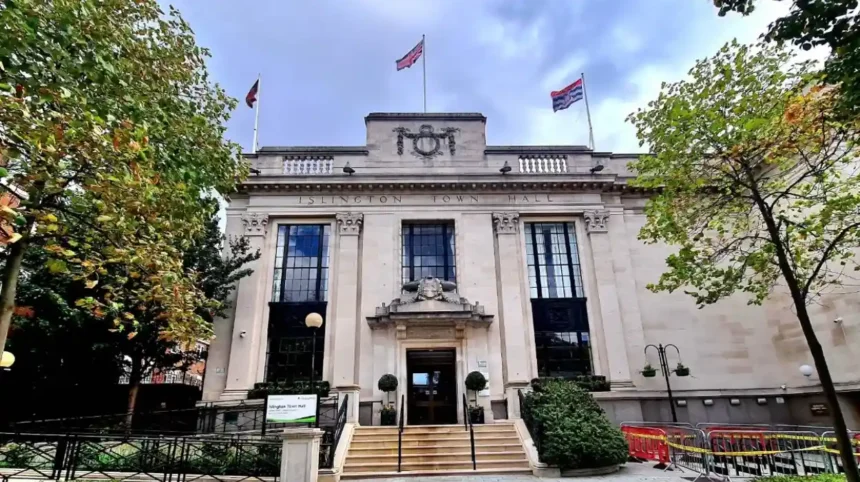
Hosted by Islington Council and facilitated by the local charity Help on Your Doorstep, the newly established commission was launched at Islington Town Hall on 12 November. Under the structure of the commission, residents with direct lived experience of poverty participate as Community Commissioners, sitting on an equal footing alongside Civic and Business Commissioners.
Over an 18-month period, the commission is tasked with examining the specific barriers individuals encounter when attempting to access support services. Following this exploratory phase, commissioners will develop practical actions designed to make local services easier to find and navigate, before concentrating on embedding those structural changes across participating organisations.
What Did Council Leader Una O’Halloran Say About the Initiative?
Speaking on the launch of the programme, Islington Council leader Una O’Halloran addressed the historical exclusion of affected residents from policy-making processes. As reported in the official announcement, Una O’Halloran stated that decisions regarding poverty are too frequently made “without the people who understand its realities most deeply”.
Una O’Halloran further explained the structural shift the initiative aims to achieve:
“The Poverty Truth Commission turns that on its head by bringing residents and decision-makers together as equal partners.”
Highlighting her personal and professional commitment to the borough, Una O’Halloran noted:
“This has been an important priority for me, as leader of the council and as a resident. I know poverty affects every aspect of people’s lives, from health and wellbeing to confidence, opportunities and relationships.”
Outlining the council’s approach to feedback and institutional reform, Una O’Halloran added:
“In Islington, we are serious about working together for a more equal future. That means listening to people’s experiences, being willing to hear difficult or challenging feedback, learning from it, and working together to make real change.”
How Will Residents With Lived Experience Shape Change?
Representing the residents participating in the initiative, James Wooton, who serves as both a Community Commissioner and co-chair of the Islington Poverty Truth Commission, underscored the need for direct representation in local governance.
As documented in the release, James Wooton stated:
“People with lived experience of poverty have had decisions made about them rather than with them for too long. This commission creates a space where people’s voices and experiences can help shape change.”
What Is the Background of the Poverty Truth Commission in Islington?
The establishment of the Islington Poverty Truth Commission stems from a recognition by Islington Council and local partners that traditional decision-making processes around poverty have often operated without the direct involvement of the individuals most affected by those policies. Prior to this launch, decisions affecting low-income residents were frequently made about them rather than collaboratively with them. By partnering with Help on Your Doorstep, a local charity operating within the borough, Islington Council has introduced the Poverty Truth Commission model to London for the first time, formalising a framework where civic leaders, business representatives, and residents share equal standing at the decision-making table.
How Could This Development Affect Islington Residents and Local Organisations?
Over the next 18 months and beyond, this development is positioned to directly impact both residents experiencing poverty in Islington and the local civic and business organisations that provide services across the borough. For residents, the commission provides a formal platform to voice challenging feedback and directly influence how support systems operate, which is intended to result in local services becoming easier to locate and navigate. For Islington Council, Help on Your Doorstep, and participating civic and business organisations, the commission’s findings will require institutional adaptation as practical actions are developed and embedded into their operational frameworks to address the multifaceted impacts of poverty on health, wellbeing, opportunities, and relationships.