Key Points
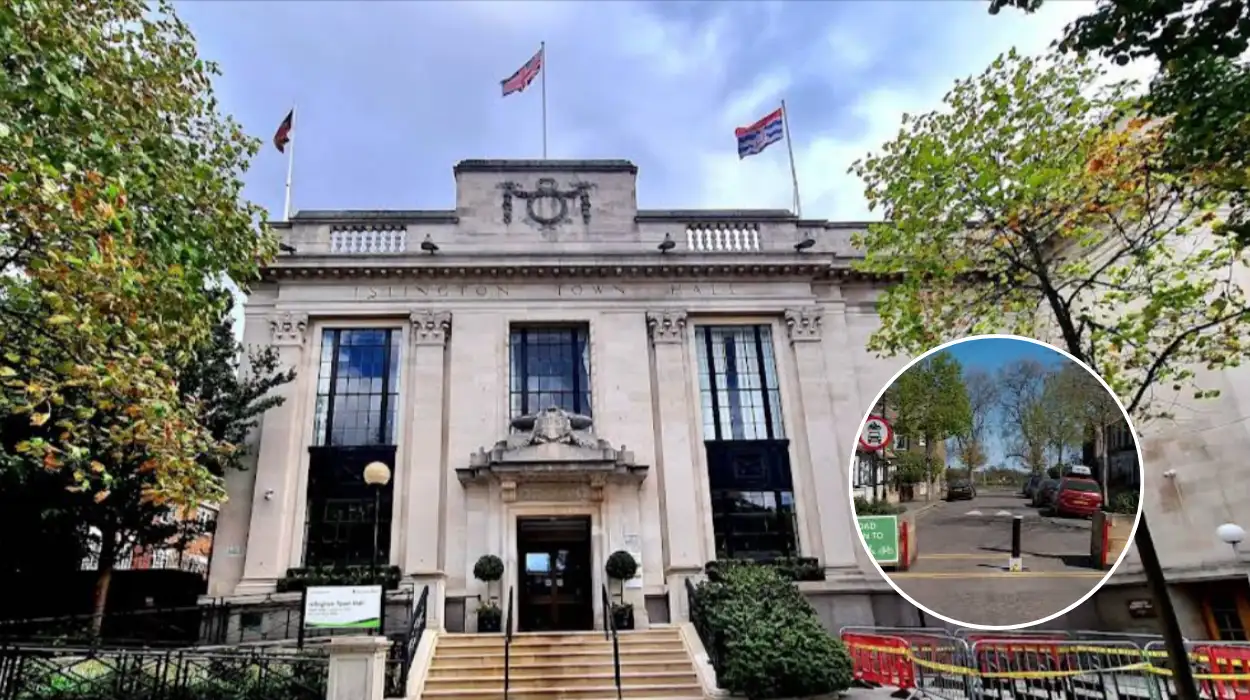
- Islington Council introduced a new Liveable Neighbourhood scheme in October 2025 on the Mayville Estate in North London to improve air quality and create greener, healthier streets.
- The scheme includes camera-enforced traffic filters on key streets such as Mildmay Road, St Jude Street, and King Henry’s Walk, blocking through-traffic for most vehicles while allowing access for residents and Blue Badge holders.
- Temporary School Streets bans prevent drivers from using certain roads during school drop-off and pick-up times.
- Twenty-five parking spaces were removed to make way for a new cycle lane.
- Social housing tenants on the Mayville Estate, including lorry driver Reynolds Dickson, resident Nabila, and taxi driver Ali, have launched an e-petition opposing the scheme, claiming it has increased congestion, endangered safety, and disrupted livelihoods.
- Reynolds Dickson, a night-shift HGV driver with 25 years’ experience, states the traffic filters have doubled his journey time from the depot to home, cutting into his mandatory 11-hour rest period under UK law and forcing him to drive illegally or risk losing his licence.
- Nabila, a resident of over 20 years, reports her daughters now park miles away and walk home in the dark, feeling less safe.
- Taxi driver Ali feels “scared of her shadow” walking home at night and accuses the council of neglecting working residents by excluding them from planning.
- Reynolds Dickson describes the policy as “elitist,” arguing it will raise property values on quieter streets, benefiting the “haves” over the “have-nots.”
- Nabila calls for a compromise where “everybody benefits.”
- The council maintains the measures aim to improve air quality and provide safer spaces for walking and cycling.
Islington, North London (Local Democracy Reporting Service via MyLondon) – 20 January 2026 – Social housing tenants on the Mayville Estate have launched an e-petition against Islington Council’s Liveable Neighbourhood scheme, introduced in October 2025, claiming the traffic restrictions have turned their daily lives into a nightmare by increasing congestion, compromising safety, and threatening livelihoods. Lorry driver Reynolds Dickson told the Local Democracy Reporting Service (LDRS) that the camera-enforced filters have doubled his commute time, forcing him to violate strict HGV rest regulations or lose his job after 25 years. Residents Nabila and taxi driver Ali echoed concerns over parking shortages, dark walks home, and exclusion from the planning process, as the council defends the changes as essential for cleaner air and safer streets.
- Key Points
- What Is the Liveable Neighbourhood Scheme in Islington?
- How Has the Scheme Impacted Residents’ Daily Commutes?
- Why Do Residents Feel Less Safe Since the Changes?
- What Criticisms Have Residents Leveled at the Council’s Planning?
- How Has Congestion Changed on Surrounding Roads?
- What Is the Council’s Defence of the Liveable Neighbourhood?
- Who Started the E-Petition and What Does It Demand?
- Will Property Values Rise Due to Quieter Streets?
- What Are the Legal Implications for HGV Drivers?
- How Does This Fit into Broader London Trends?
- What Happens Next for the Mayville Estate?
What Is the Liveable Neighbourhood Scheme in Islington?
Islington Council’s Liveable Neighbourhood initiative, completed on the Mayville Estate in October 2025, seeks to create “greener, healthier and more welcoming streets,” according to council statements reported by MyLondon. The scheme features camera-enforced traffic filters on Mildmay Road, St Jude Street, and King Henry’s Walk, designed to prevent through-traffic while permitting access for residents and Blue Badge holders. Temporary School Streets measures ban drivers during school drop-off and pick-up times, and 25 parking spaces were eliminated to accommodate a new cycle lane.
As detailed in the MyLondon article, these changes align with broader efforts across London boroughs to reduce vehicle dependency. The council argues the filters will cut pollution and enhance pedestrian and cyclist safety, but implementation has sparked immediate backlash from those directly affected.
How Has the Scheme Impacted Residents’ Daily Commutes?
Lorry driver Reynolds Dickson, speaking to Josef Steen of the Local Democracy Reporting Service (LDRS) as reported by MyLondon, described a profound disruption to his work-life balance. Reynolds works night shifts, driving heavy goods vehicles (HGVs) to destinations including Coventry, Cardiff, Manchester, and Northampton, often returning to London around 4am. He stated that the traffic filtering measures have doubled his journey time from the vehicle depot to his home on the Mayville Estate – whether driving or using public transport – severely encroaching on the 11-hour continuous rest period mandated by UK law for commercial drivers.
“Islington is shrinking this to the point where I’m driving illegally because I’m not getting enough rest. So now I’m effectively being forced to break the law to do my job,” Reynolds told the LDRS. “After 25 years, I’m gonna end up losing my truck licence over this.” Under UK regulations, HGV drivers must record driving hours to ensure safety compliance, a requirement now impossible to meet due to the scheme’s delays.
Taxi driver Ali, also interviewed by the LDRS and quoted in MyLondon, highlighted similar woes for shift workers. Ali, who returns home late at night, said the parking removal and diversions have left her stranded far from the estate. “The council is neglecting us residents who are working – they did not include us in their plan,” Ali added.
Why Do Residents Feel Less Safe Since the Changes?
Safety concerns dominate complaints from Mayville Estate tenants. Nabila, a resident of more than 20 years, told the LDRS via MyLondon that her daughters now park “miles away” and walk home in the dark, a situation she deems unacceptable. This vulnerability has intensified since the October 2025 rollout.
Ali reinforced this, stating she feels “scared of her shadow” navigating home after night shifts. The increased congestion on surrounding roads, diverted from the filtered streets, has reportedly made alternative routes busier and more hazardous, particularly at night. Residents argue the scheme, intended to foster safer spaces, has inadvertently heightened risks for those on foot.
Reynolds Dickson linked these issues to broader design flaws, noting to the LDRS that the council overlooked working-class tenants reliant on vehicles for essential jobs.
What Criticisms Have Residents Leveled at the Council’s Planning?
Exclusion from consultation emerges as a core grievance. Ali directly accused Islington Council of failing to involve residents in the planning stages, as reported by MyLondon through the LDRS interview. “They did not include us in their plan,” she said, reflecting a sentiment that the scheme prioritises abstract goals over lived realities.
Reynolds Dickson went further, labelling the policy “elitist.” In his words to Josef Steen of the LDRS:
“It’s the haves and the have-nots, and the great unwashed can live on the other side. That’s really what you’re looking at.”
He contends the quieter residential streets will appreciate in value, pricing out lower-income households like those in social housing.
Nabila sought reconciliation, telling the LDRS:
“I don’t understand how we can’t find a way to meet in the middle and everybody benefits.”
This call underscores a desire for balanced adjustments rather than reversal.
How Has Congestion Changed on Surrounding Roads?
Multiple residents, including Reynolds Dickson, Nabila, and Ali, reported to the LDRS that through-traffic bans have merely displaced vehicles onto neighbouring streets, exacerbating congestion. Reynolds noted his doubled commute as evidence, attributing it to bottlenecks outside the filtered zones. The removal of 25 parking spaces has compounded this, forcing longer searches and walks.
MyLondon’s coverage emphasises that while the estate’s core roads see fewer vehicles, peripheral routes bear the brunt, undermining the scheme’s air quality aims through prolonged idling.
What Is the Council’s Defence of the Liveable Neighbourhood?
Islington Council maintains the measures deliver tangible benefits. As per statements in the MyLondon article, the initiative improves air quality – a pressing issue in densely populated North London – and carves out safer havens for walking and cycling. Access exemptions for residents and Blue Badge holders, alongside School Streets, prioritise vulnerable groups like children and disabled individuals.
The council has not publicly responded to the e-petition or specific resident testimonies as of 20 January 2026, but prior promotions framed the scheme as part of a wider Liveable Neighbourhood programme transforming urban spaces.
Who Started the E-Petition and What Does It Demand?
Tenants on the Mayville Estate initiated the e-petition shortly after the October 2025 completion, urging Islington Council to rethink the scheme. While MyLondon does not name a lead petitioner, quotes from Reynolds Dickson, Nabila, and Ali suggest grassroots momentum among affected social housing residents. The petition opposes the traffic filters, parking losses, and School Streets, demanding revisions to restore accessibility without sacrificing environmental gains.
Will Property Values Rise Due to Quieter Streets?
Reynolds Dickson’s “elitist” critique, reported by Josef Steen of the LDRS in MyLondon, predicts rising property values on unaffected residential streets, potentially gentrifying the area. Quieter roads could appeal to families and professionals, widening divides between social housing tenants and private owners. No independent valuations confirm this yet, but historical precedents in similar Low Traffic Neighbourhoods support the concern.
What Are the Legal Implications for HGV Drivers?
UK law requires HGV drivers like Reynolds Dickson to take 11 hours of continuous daily rest, enforced via tachographs tracking driving time. As Dickson explained to the LDRS, the scheme’s delays erode this window, risking fines, licence revocation, or safety violations. After 25 years in the industry, he faces an untenable choice: comply with council rules at the cost of his livelihood or skirt regulations.
How Does This Fit into Broader London Trends?
Islington’s scheme mirrors Low Traffic Neighbourhoods across London boroughs, with two-thirds implementing similar road restrictions, per MyLondon data. Cycle lanes and traffic filters proliferate amid net-zero ambitions, but resident pushback – including petitions and protests – highlights tensions between environmental policy and equity. Mayville Estate’s e-petition exemplifies growing scrutiny of top-down urban planning.
What Happens Next for the Mayville Estate?
The e-petition’s trajectory remains unclear as of January 2026, with no council response noted in available reports. Residents like Nabila advocate compromise, while Reynolds Dickson warns of job losses. Islington Council may review data on air quality and congestion before adjusting, but for now, the Liveable Neighbourhood persists amid vocal opposition.