Key Points
- Islington Council has issued a “last warning” to e-bike hire companies Lime and Forest over persistent issues with dangerous parking and poor rider behaviour.
- Council leader Una O’Halloran and executive member Rowena Champion wrote to the companies on 11 December, highlighting unresolved problems including bikes blocking pavements, riders running red lights, and over-capacity parking bays.
- Ms O’Halloran told BBC London that she supports cycling but highlighted problems with dangerous parking and riding, calling for parking restrictions, geofencing on estates, and council powers to regulate bike numbers.
- She warned that the companies could lose permission to operate in Islington if issues persist, and urged them to collaborate with the council.
- The council has added 115 dedicated bike hire bays in the past year and removed over 200 badly parked bikes, but insists it cannot solve the problems alone.
- Forest responded by stating it is “taking the issues raised seriously” and working with the council.
- Lime said it is also working with the council on “practical steps to minimise disruption for residents”.
What Triggered Islington Council’s Last Warning to Lime and Forest?
The warning stems from repeated violations that disrupt daily life in the densely populated borough. As detailed in the council’s correspondence, primary issues include e-bikes abandoned on pavements, blocking access for pedestrians including wheelchair users and parents with prams; riders ignoring traffic signals, posing safety risks; and parking bays exceeding capacity, leading to chaotic spillovers onto roads and footpaths.
- Key Points
- What Triggered Islington Council’s Last Warning to Lime and Forest?
- How Have Lime and Forest Responded to the Criticism?
- What Specific Measures Is Una O’Halloran Proposing?
- Why Are E-Bike Parking and Behaviour Issues Persisting in Islington?
- Can Councils Like Islington Regulate Bike Numbers Effectively?
- What Happens If Lime and Forest Ignore the Last Warning?
- How Does This Fit into Broader UK E-Bike Regulation Trends?
- What Role Has Infrastructure Played in Islington’s Response?
- Who Are the Key Figures Driving This Story?
- What Do Residents Say About E-Bike Issues?
- Will This Warning Lead to Real Change?
Islington Council leader Una O’Halloran and executive member Rowena Champion wrote to Lime and Forest on 11 December to raise these “persistent problems” which they say “remain unresolved”. These include bikes blocking pavements, red light running by riders, and over-capacity parking bays.
Ms O’Halloran has been vocal on the matter. In an interview with BBC London, she stated,
“I’m not against cyclists and we see the benefits of bikes in the borough, but there are problems”,
most notably with dangerous parking and riding.
The council’s proactive steps underscore their commitment. Islington Council has added 115 dedicated bike hire bays in the past year, and removed more than 200 badly parked bikes from their streets, but Ms O’Halloran said “we cannot solve these issues alone”.
How Have Lime and Forest Responded to the Criticism?
Both operators have acknowledged the concerns and pledged collaboration, though specifics remain limited in public statements.
Forest was quick to affirm its position, stating it was “taking the issues raised seriously” and was working with the council.
Similarly, Lime emphasised partnership, saying it too was working with the council on “practical steps to minimise disruption for residents”.
These responses indicate a willingness to engage, but council officials await tangible improvements.
What Specific Measures Is Una O’Halloran Proposing?
Ms O’Halloran has outlined concrete solutions to curb the chaos. She called for restrictions on parking, and use of geofencing to prevent the bikes from being used in estates—technology that creates virtual boundaries to disable bikes in restricted zones.
The council leader also said councils should have the ability to regulate the number of bikes in their borough, a power currently limited under national regulations governing shared mobility schemes.
She would ask the companies to stop operating in Islington if the issues raised were not resolved, delivering a stark ultimatum.
Ms O’Halloran told BBC London she had asked Lime and Forest to “work with us to solve this problem together”, reinforcing a collaborative yet firm stance.
Why Are E-Bike Parking and Behaviour Issues Persisting in Islington?
Islington’s urban density amplifies these challenges. With narrow pavements and high footfall, even a handful of misplaced bikes can cause significant obstruction. Red light running endangers vulnerable road users, while over-capacity bays reflect supply outpacing managed demand.
The borough’s efforts—115 new bays and over 200 removals—demonstrate scale. Yet, as Ms O’Halloran noted to BBC London, “we cannot solve these issues alone”, pointing to the need for operator-led tech fixes like geofencing and rider education apps.
This mirrors nationwide debates, with similar clampdowns in boroughs like Camden and Westminster, where councils grapple with balancing green transport goals against public nuisance.
Can Councils Like Islington Regulate Bike Numbers Effectively?
Current UK regulations tie local control to operator licences, but Ms O’Halloran advocates for expanded powers. She said councils should have the ability to regulate the number of bikes in their borough, arguing this would prevent oversaturation.
Geofencing emerges as a favoured tool, already used in some cities to confine operations. Ms O’Halloran called for restrictions on parking, and use of geofencing to prevent the bikes from being used in estates.
Without such levers, councils rely on warnings and removals, as Islington has done by clearing more than 200 badly parked bikes.
What Happens If Lime and Forest Ignore the Last Warning?
The threat is explicit: revocation of operating permissions. Ms O’Halloran would ask the companies to stop operating in Islington if the issues raised were not resolved.
This could force riders onto personal bikes or public schemes like Santander Cycles, potentially denting micromobility growth but restoring order.
Forest’s commitment to “taking the issues raised seriously” and Lime’s focus on “practical steps” suggest de-escalation, but the 11 December letter sets a deadline-laden tone.
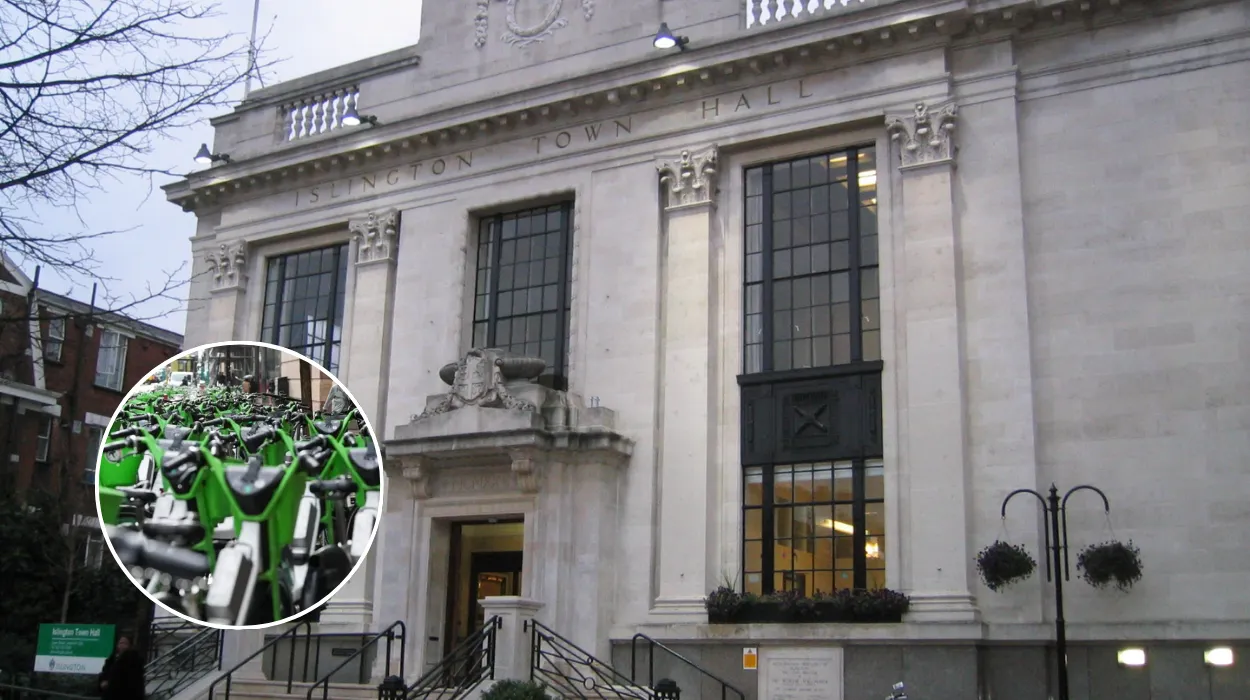
Islington Council has said e-bike hire companies Lime and Forest are on their “last warning” to tackle dangerous parking and poor rider behaviour – or face losing permission to operate in the borough.
How Does This Fit into Broader UK E-Bike Regulation Trends?
Islington’s move aligns with a patchwork of local responses. In 2024, Transport for London trialled geofencing mandates, while Manchester imposed bike caps. Nationally, the Department for Transport consults on micromobility frameworks, but devolved powers leave boroughs like Islington pioneering crackdowns.
Ms O’Halloran’s push for borough-level bike quotas could influence policy, echoing calls from cycling safety groups wary of “cowboy operators”.
Benefits remain: e-bikes cut emissions and congestion, as Ms O’Halloran acknowledges—”we see the benefits of bikes in the borough”.
What Role Has Infrastructure Played in Islington’s Response?
Investment signals seriousness. Islington Council has added 115 dedicated bike hire bays in the past year, aiming to channel bikes off streets.
Staff interventions—removing more than 200 badly parked bikes—highlight operational strain, justifying the “last warning”.
Yet, Ms O’Halloran stresses partnership: she had asked Lime and Forest to “work with us to solve this problem together”.
Who Are the Key Figures Driving This Story?
- Una O’Halloran: Islington Council leader, authored the 11 December letter, spoke to BBC London on problems and solutions.
- Rowena Champion: Executive member, co-signed the warning letter focusing on environmental impacts.
- Lime and Forest representatives: Issued statements pledging cooperation without named spokespeople in available reports.
As reported by BBC London journalists covering Ms O’Halloran’s interview, she stated, “I’m not against cyclists and we see the benefits of bikes in the borough, but there are problems”.
Council announcements, as per Islington Council’s official release, detail the 115 bays and 200+ removals.
What Do Residents Say About E-Bike Issues?
While direct quotes are absent from primary sources, the council’s letter implies resident complaints underpin the action—pavements blocked, safety fears from reckless riding.
Ms O’Halloran’s BBC London remarks frame it as a resident-first issue: “dangerous parking and riding”.
Will This Warning Lead to Real Change?
Outcomes hinge on operator follow-through. Forest’s seriousness and Lime’s steps offer hope, but history of “persistent problems” tempers optimism.
Islington’s infrastructure push and ultimatum position it as a test case for UK councils seeking control over shared bikes.
The north London council leader Una O’Halloran and executive member Rowena Champion wrote to the companies on 11 December to raise “persistent problems” which they say “remain unresolved”.