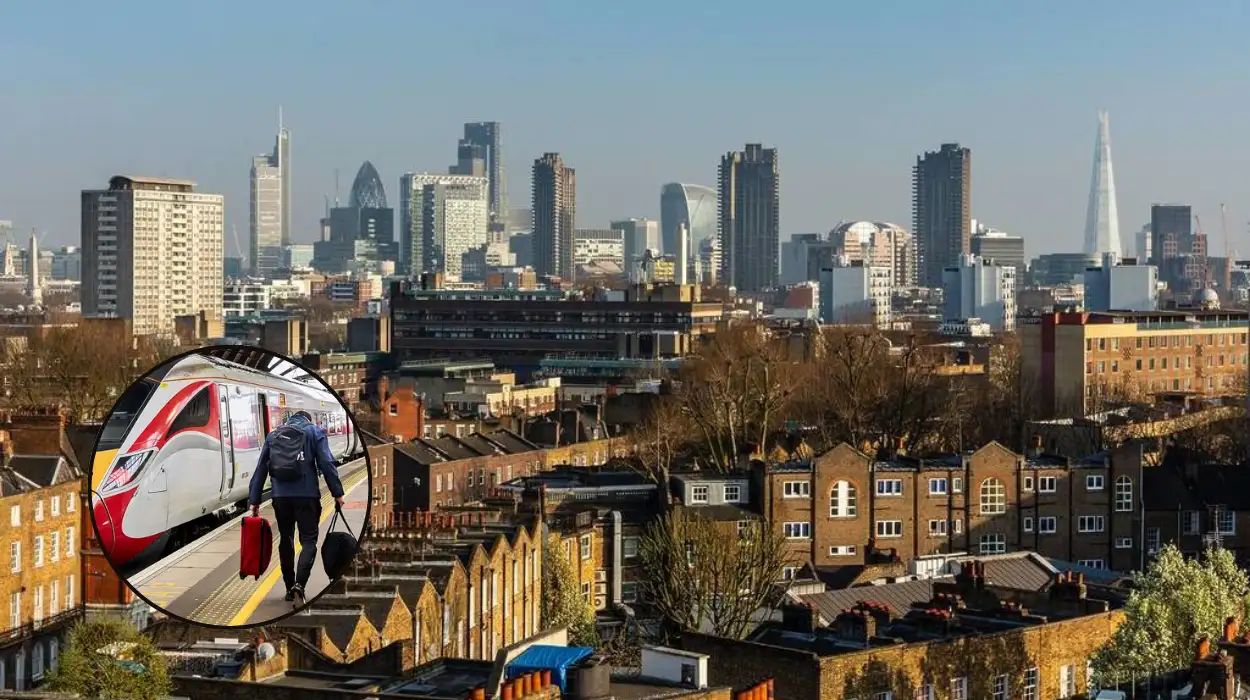
The London North Eastern Railway (LNER) is a historically significant railway company in the United Kingdom, originally operating from 1923 to 1948, and closely tied to the development and connectivity of the North London and greater UK rail network.
The London North Eastern Railway: A Pillar of North London and UK Rail History
The London North Eastern Railway (LNER) holds an iconic place in British railway history. Established on January 1, 1923, it was the second-largest of the “Big Four” railway companies created by the Railways Act of 1921. LNER existed until nationalization on January 1, 1948, when it was incorporated into British Railways and divided into several regions including Eastern and North Eastern regions.
Origins and Formation
LNER was born from the amalgamation of several major and minor railway companies. Its principal constituents included the Great Eastern Railway, Great Central Railway, Great Northern Railway, Great North of Scotland Railway, Hull and Barnsley Railway, North British Railway, and the North Eastern Railway (NER). The NER, established much earlier in 1854, was vital within this mix, contributing the largest route mileage of approximately 1,757 miles.
The consolidation aimed to streamline operations and unify rail services in the north and eastern parts of England and Scotland, especially along the vital East Coast Main Line connecting London to Edinburgh. The headquarters of LNER were decentralized, with key offices at King’s Cross station in London (Chief General Manager), York, and Edinburgh, while the Chairman’s office was located at Marylebone station in London, reflecting the railway’s geographical span.
The East Coast Main Line and North London
The East Coast Main Line, serving as LNER’s backbone, remains one of the UK’s most important railway corridors. Running from London King’s Cross through key northern cities like York, Newcastle, and up to Edinburgh, this route still functions as a critical artery for passenger and freight transport today.
For North London, LNER played a pivotal role in connecting the area with both local and long-distance destinations. King’s Cross, a major London terminus and LNER’s operational hub, facilitated access to northern England and Scotland for commuters, travelers, and freight, spurring economic growth and easing mobility. The legacy of efficient rail services from King’s Cross continues, anchoring North London’s connection to the broader UK rail network.
Infrastructure and Operations
Apart from passenger routes, LNER also operated numerous freight services crucial to the industrial regions in Yorkshire, Northumberland, and East Anglia. The company was notable for maintaining main workshops in Doncaster, with satellite facilities in Darlington, Inverurie, and Stratford in London, enabling effective maintenance and rolling stock management.
Interestingly, LNER had reach beyond England, operating lines into southern Scotland via North British Railway connections, making it the only English railway company to regularly run trains into Scotland before nationalization.
Legacy and Modern Era
The original LNER ceased to exist legally in 1949 following nationalization, yet its historic footprint deeply influences today’s rail services. With the privatization of British Rail in the 1990s, the name and initials LNER were revived by Sea Containers Ltd for the Great North Eastern Railway franchise, invoking the heritage and prestige of the original company.
Today’s London North Eastern Railway operates on the East Coast Main Line, offering high-speed, long-distance services connecting London with major cities in the north and Scotland. This modern LNER combines historic branding with contemporary rail technology to serve millions of passengers annually.
LNER is more than a railway brand; it is an enduring symbol of North London’s and the UK’s rail legacy. From its formation in the early 20th century through the Great Northern and North Eastern Railway legacies to today’s modern high-speed services, LNER connects people and places efficiently and historically. Its roots in the East Coast Main Line and King’s Cross make it a cornerstone of North London’s connectivity and economic vitality.