Key Points
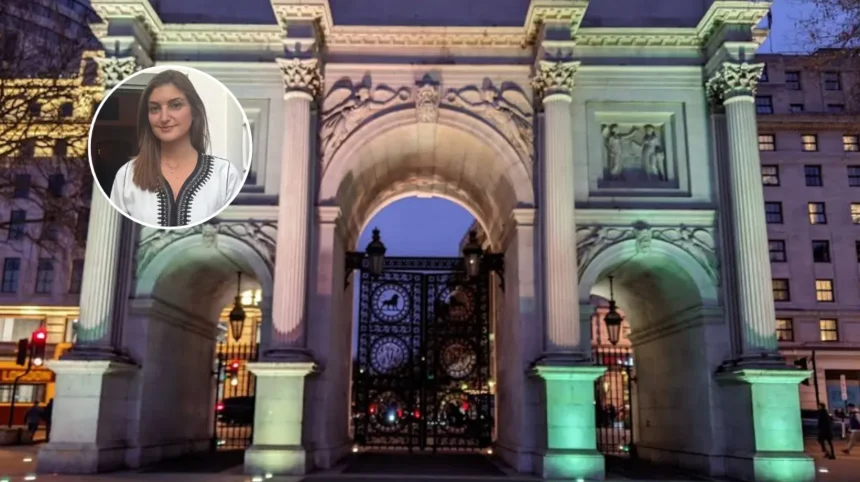
- Mimouna, a uniquely Moroccan Jewish celebration marking the end of Passover, was held in a hired garden room near Marble Arch, north London.
- The event featured guests in flowing kaftan dresses, tables with honey-soaked sesame sweets, mufletta pancakes, and msemen.
- Conversations occurred in Moroccan Arabic, English, and French, creating a warm, festive atmosphere echoing traditional Moroccan celebrations.
- During Passover, observant Jews avoid leavened foods to commemorate the exodus from Egypt; Mimouna welcomes back leavened bread with generosity.
- Traditional customs include leaving doors open for friends, neighbours, and strangers to share food, rooted in Jewish-Muslim coexistence in Morocco.
- Stephanie Laurent organized the event for the first time in London, in memory of her late mother and to highlight London’s small Moroccan Jewish community.
North London (North London News) – April 13, 2026 –
- Key Points
- What is Mimouna, and why was it celebrated near Marble Arch in north London?
- Who organized the Mimouna event in London, and what inspired her?
- How does Mimouna mark the end of Passover for Moroccan Jews?
- What foods and customs define a traditional Mimouna celebration?
- Why do Moroccan Jews maintain Mimouna in the UK diaspora?
- What role does interfaith coexistence play in Mimouna’s history?
- Background of the Development
- Prediction: How This Development Can Affect London’s Moroccan Jewish Community
What is Mimouna, and why was it celebrated near Marble Arch in north London?
In a hired garden room near Marble Arch in north London, members of London’s Moroccan Jewish community gathered to keep the Mimouna tradition alive. The event, organized by Stephanie Laurent, captured the essence of this uniquely Moroccan Jewish celebration that marks the end of Passover. Guests arrived dressed in flowing kaftan dresses, while tables were laden with honey-soaked sesame sweets, stacks of pancakes known as mufletta, and msemen. The atmosphere buzzed with warmth and festivity, reminiscent of traditional Moroccan gatherings, as conversations flowed in Moroccan Arabic, English, and French.
This was not just any Moroccan party but Mimouna, a custom deeply tied to Jewish heritage in Morocco. For the week of Passover, observant Jews refrain from eating leavened foods – bread which has been allowed to rise – to commemorate the exodus from Egypt. Mimouna begins the moment the holiday ends, joyfully welcoming back leavened bread in a spirit of generosity and togetherness. Traditionally, doors are left open for friends, neighbours, and even strangers to enter and share food, a practice rooted in centuries of coexistence between Jewish and Muslim communities in Morocco.
Stephanie Laurent decided to organize this celebration for the first time in London, both in memory of her late mother and to give visibility to the capital’s small Moroccan Jewish community. As reported in the original coverage, the event highlighted efforts to preserve cultural practices amid diaspora life.
Who organized the Mimouna event in London, and what inspired her?
Stephanie Laurent, the key figure behind the event, stepped forward to host Mimouna in a hired garden room near Marble Arch. Her motivation stemmed from personal loss and a desire to spotlight London’s Moroccan Jewish community, which remains relatively small. Laurent’s initiative marked the first such public celebration of this nature in the city, blending nostalgia with community building.
The organizer’s choice of venue – a garden room – allowed for an intimate yet festive setting that echoed Moroccan traditions. Guests embraced the occasion fully, donning kaftan dresses and indulging in symbolic foods like mufletta and msemen, which are staples of Mimouna feasts. These pancakes, often filled with honey or butter, symbolize abundance and sweetness after the restrictions of Passover.
Laurent’s event underscores a broader pattern among diaspora communities in north London, where cultural events serve as anchors for identity. By opening the space to participants speaking multiple languages, she fostered an inclusive environment true to Mimouna’s ethos.
How does Mimouna mark the end of Passover for Moroccan Jews?
Mimouna directly follows Passover, transitioning from restraint to celebration. Observant Jews avoid chametz – leavened products – during the holiday to recall the haste of the exodus from Egypt, when there was no time for bread to rise. As soon as Passover concludes, Mimouna commences with the preparation and sharing of leavened foods, signifying relief and renewal.
In traditional settings, families prepare vast spreads including mufletta (thin pancakes cooked between the hands), msemen (layered square pancakes), and sweets drenched in honey and sesame. These items represent prosperity and joy. The custom of leaving doors unlocked invites non-Jews, particularly Muslim neighbours in Morocco, to partake, reinforcing interfaith bonds forged over generations.
At the north London event, these elements were faithfully recreated. Tables groaned under the weight of honey-soaked sesame sweets and pancake stacks, drawing participants into the ritual of communal feasting. The multilingual chatter – Moroccan Arabic, English, French – mirrored the multicultural fabric of Moroccan Jewish life.
What foods and customs define a traditional Mimouna celebration?
The centrepiece of Mimouna is its food, which carries symbolic weight. Mufletta and msemen, both unleavened during preparation but served with leavening agents like butter or honey post-Passover, headline the menu. Honey-soaked sesame sweets add a layer of sweetness, invoking hopes for a prosperous year. Other common items include fresh fruits, nuts, and milk products, all arranged to overflow in displays of abundance.
Customs extend beyond eating. In Morocco, homes are adorned with green fava beans and flour symbols for luck, and blessings are exchanged for health and fertility. The open-door policy remains central, with hosts greeting visitors – often Muslim friends – who bring salt for preservation and luck. Songs and music fill the night, blending Jewish liturgy with North African rhythms.
In the Marble Arch garden room, these traditions translated seamlessly to London. Guests in kaftan dresses mingled freely, sharing plates and stories. The event’s organizer, Stephanie Laurent, ensured the space evoked the “feel of a traditional Moroccan celebration,” as noted in reports from the scene.
Why do Moroccan Jews maintain Mimouna in the UK diaspora?
London’s Moroccan Jewish community, though small, actively preserves Mimouna to sustain cultural ties. Events like this one near Marble Arch combat assimilation, offering younger generations a tangible link to heritage. Stephanie Laurent’s decision to host stemmed from her late mother’s influence, aiming to “give visibility” to the group.
Historically, Mimouna evolved in Morocco under Muslim rule, where Jews and Arabs shared culinary and social customs. This intercommunal aspect persists in diaspora settings, promoting unity. In north London, such gatherings also build bridges with broader Jewish and non-Jewish populations.
The event’s timing – post-Passover – aligned perfectly with the calendar, drawing committed participants despite the hired venue’s modesty. Conversations in multiple languages highlighted the community’s transnational identity.
What role does interfaith coexistence play in Mimouna’s history?
Mimouna’s roots lie in Morocco’s centuries of Jewish-Muslim coexistence. The open-door tradition explicitly welcomes Muslim neighbours, who contribute salt – a preservative symbolizing endurance. This custom reflects a symbiotic relationship, with Jews benefiting from Arab hospitality during holidays.
In London, the Marble Arch event echoed this by creating a welcoming space. While the coverage does not detail non-Jewish attendees, the ethos of inclusivity remained intact. Stephanie Laurent’s organization honoured these origins, using food and festivity to bridge divides.
Reports emphasize how Mimouna fosters “generosity and togetherness,” traits honed in Morocco’s mellah (Jewish quarters), where shared festivals strengthened community resilience.
Background of the Development
Mimouna originates from Moroccan Jewish culture, dating back centuries in the North African kingdom where Jews lived alongside Muslim populations. The tradition solidified as a post-Passover feast, incorporating local Arabic influences like mufletta and msemen, which are not unique to Jewish cuisine but adapted for the occasion. Historical accounts note its prominence in cities like Fez and Casablanca, where entire neighbourhoods participated after sunset on the final Passover night. Post-1948, waves of Moroccan Jewish immigration to Israel, France, Canada, and the UK transplanted the custom. In London, small pockets of Moroccan Jews have hosted private Mimounas for decades, but public events like Stephanie Laurent’s near Marble Arch represent a recent push for visibility amid growing diaspora diversity. This development aligns with north London’s role as a hub for ethnic Jewish communities, including Sephardic groups preserving non-Ashkenazi rites.
Prediction: How This Development Can Affect London’s Moroccan Jewish Community
This Mimouna event can strengthen cultural continuity for London’s small Moroccan Jewish community by providing a public platform for traditions, potentially encouraging more frequent gatherings and youth involvement. It may foster intergenerational transmission, as younger attendees experience Mimouna firsthand, reducing erosion of heritage in a multicultural city. Interfaith elements could enhance relations with north London’s diverse populations, promoting social cohesion through shared events. For community leaders like Stephanie Laurent, it offers a model for future initiatives, possibly attracting media and sponsorship to sustain visibility. However, reliance on hired venues might limit frequency unless community spaces emerge, while broader participation could dilute intimate traditions if scaled too quickly.