Key Points
- Stanley Baxter, a renowned Glasgow-born actor, comedian, impressionist, and author, has died at the age of 99.
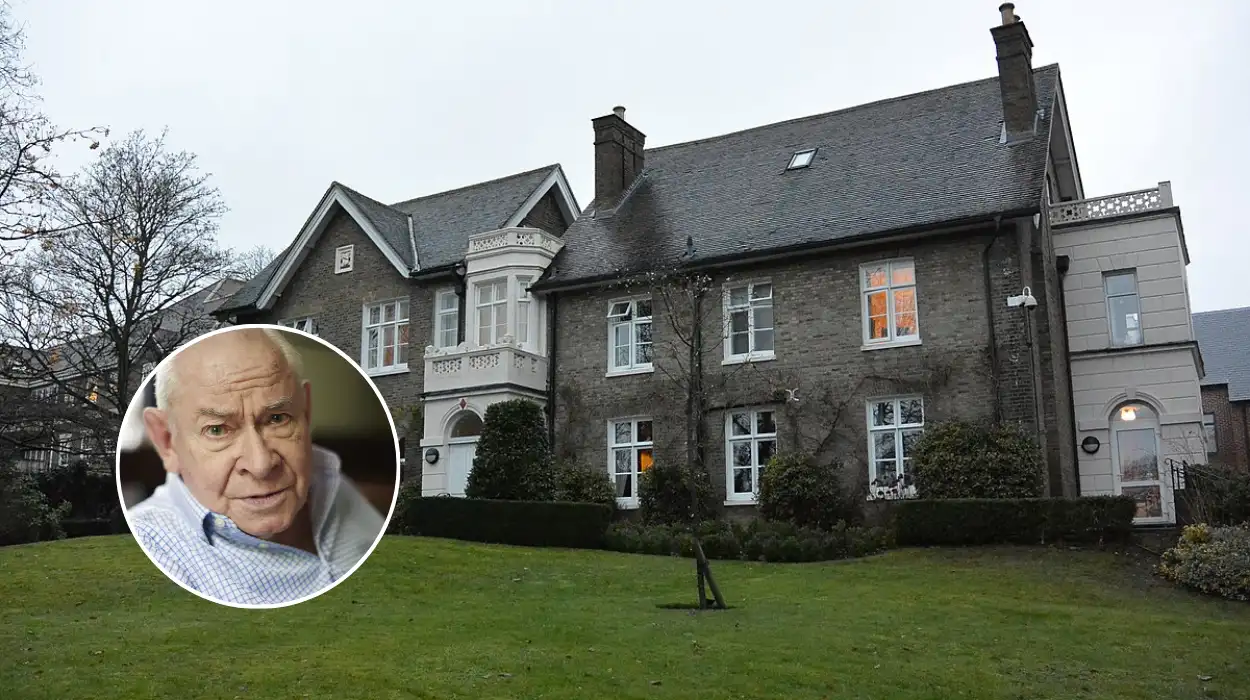
- He passed away while residing at Denville Hall, a care centre in North London for actors.
- Baxter began his career as a child actor on BBC Scotland’s Children’s Hour, trained by his mother, and attended Hillhead High School in Glasgow.
- During World War II, he served as a Bevin Boy in the mining industry; later honed skills in the British Army’s Combined Services Entertainment unit.
- Post-war, he performed extensively at Glasgow’s Citizens’ Theatre and starred in Scottish pantomime and revue shows like Half Past Eight and Five Past Eight.
- Moved to London in 1959 for television; achieved fame with series such as The Stanley Baxter Show, The Stanley Baxter Picture Show, and The Stanley Baxter Series.
- Famous for one-man sketches, impressions (especially of the Queen), and satirical Parliamo Glasgow sketches featuring Glaswegian slang.
- Appeared in children’s TV series Mr Majeika and films including The Fast Lady and Crooks Anonymous.
- Long radio career, including post-retirement Stanley Baxter Playhouse on BBC Radio 4; authored books on Glasgow humour and language.
- Retired from regular performances in the early 1990s; married to actress Moira Robertson for 46 years until her death in 1997.
- In later life, spoke publicly about his sexuality after his authorised biography.
- Received Outstanding Contribution to Film & Television award at 1994 BAFTA Scotland ceremony.
- Tribute from Sir Billy Connolly: “Nobody deserves it more. The work you put in in the 60’s and 70’s stands on its own. You’re a marvel and you’ve got beautiful legs.”
- During his 1994 BAFTA acceptance: “I don’t think I could have been anything else but a performer. I was so rotten at everything else I tried to do.”
Glasgow actor and comedy legend Stanley Baxter has died at the age of 99, leaving behind a remarkable legacy in stage, screen, radio, and literature. The news, first reported widely across Scottish and UK media, highlights a career spanning decades that captivated audiences with his sharp wit, impeccable impressions, and deep roots in Glaswegian culture. Baxter, who had been living at Denville Hall in North London—a care home dedicated to retired actors—passed away recently, as confirmed by multiple outlets covering his life and achievements.
His death marks the end of an era for British entertainment, particularly in Scotland, where he began as a child star and rose to national prominence. Tributes have already begun pouring in from fellow performers, underscoring his influence on comedy and performance arts.
Who Was Stanley Baxter and What Made Him Famous?
Stanley Baxter emerged from Glasgow’s vibrant cultural scene as a multifaceted entertainer. Born and educated at Hillhead High School in the city, he was groomed for the stage by his mother, starting his professional journey as a child actor on BBC Scotland’s Children’s Hour.
As detailed in coverage by Paul Trainer of GlasgowWorld, Baxter’s early life set the foundation for a stellar career:
“Stanley Baxter, a star of the Glasgow stage who became a household name in television shows and radio, had died. The actor, comedian, impressionist and author was born in Glasgow and educated at Hillhead High School.”
His wartime experiences further shaped him. During the Second World War, Baxter served as a Bevin Boy in the mining industry—a government initiative conscripting young men into essential coal work. He later refined his talents during national service with the British Army’s Combined Services Entertainment unit, performing for troops.
Post-war, Baxter immersed himself in Glasgow’s theatre world. He worked extensively at the Citizens’ Theatre before dominating Scottish pantomime and revue circuits, particularly with the iconic Half Past Eight and Five Past Eight shows. These productions showcased his versatility and cemented his status as a local hero.
How Did Stanley Baxter Transition to National Stardom?
In 1959, Baxter relocated to London to chase television opportunities, a move that propelled him to fame across the UK. He starred in a string of acclaimed series, including The Stanley Baxter Show, The Stanley Baxter Picture Show, and The Stanley Baxter Series. These programmes highlighted his mastery of one-man sketches, linguistic prowess, and uncanny impressions—most notably of the Queen—which drew millions of viewers.
Paul Trainer of GlasgowWorld noted his signature style:
“Renowned for his one-man sketches, linguistic brilliance and impressions, particularly of the Queen, he was also widely known for his satirical creation Parliamo Glasgow which brought local Glaswegian slang to a wide audience.”
Baxter’s Parliamo Glasgow sketches became cultural touchstones, translating the rich, colourful dialect of his hometown for a broader British public. His humour blended satire, affection, and linguistic flair, making everyday Glaswegian speech a source of national delight.
Beyond TV, he ventured into film with roles in The Fast Lady and Crooks Anonymous, and later charmed younger audiences in the children’s series Mr Majeika. Radio remained a constant, with Baxter returning from retirement for the beloved Stanley Baxter Playhouse on BBC Radio 4. He also penned several books celebrating Glasgow’s humour and language, preserving its essence in print.
What Were the Highlights of Baxter’s Later Career and Personal Life?
Baxter retired from regular performances in the early 1990s, but his impact endured. A 1994 virtual BAFTA Scotland ceremony honoured him with the Outstanding Contribution to Film & Television award. In his acceptance speech, Baxter reflected humbly:
“I don’t think I could have been anything else but a performer. I was so rotten at everything else I tried to do.”
Sir Billy Connolly, a fellow Scottish comedy icon, paid glowing tribute that evening:
“Nobody deserves it more. The work you put in in the 60’s and 70’s stands on its own. You’re a marvel and you’ve got beautiful legs,”
as reported in contemporary accounts echoed by Paul Trainer of GlasgowWorld.
Personally, Baxter shared a 46-year marriage with actress Moira Robertson, who passed away in 1997. In his later years, following the publication of his authorised biography, he opened up publicly about his sexuality—a candid revelation that added depth to his public persona.
Residing at Denville Hall in North London in recent years, Baxter spent his final days in a community of fellow actors. Coverage from GlasgowWorld confirms:
“Baxter has been living in Denville Hall in North London in recent years, a care centre associated with actors.”
Why Is Stanley Baxter’s Legacy Enduring in Scottish Entertainment?
Baxter’s career bridged generations, from wartime stage shows to modern radio revivals. His work at Glasgow’s Citizens’ Theatre and in pantomime preserved Scottish traditions while his TV stardom introduced them nationwide. Books like his celebrations of Glaswegian wit ensured the dialect’s vibrancy lived on.
Media retrospectives, such as Paul Trainer’s in GlasgowWorld, emphasise this breadth:
“Alongside his screen and stage career, Baxter enjoyed a long association with radio, returning from retirement to create the popular Stanley Baxter Playhouse for BBC Radio 4. He was also the author of several books celebrating the language and humour of Glasgow.”
His impressions and sketches influenced countless comedians, blending high artistry with accessible humour. Even in retirement, Baxter’s 1994 BAFTA moment—and Connolly’s endorsement—highlighted his peers’ reverence.
What Tributes Have Followed Stanley Baxter’s Death?
News of Baxter’s passing at 99 has sparked widespread mourning. Outlets like GlasgowWorld have led with comprehensive obituaries, detailing his journey from Glasgow child actor to national treasure. Sir Billy Connolly’s earlier words resonate anew, capturing the admiration he inspired.
Fans and performers alike recall his “beautiful legs” and tireless craft—phrases that encapsulate his charm. As a neutral observer of his life’s work, Baxter’s death prompts reflection on a bygone era of British variety entertainment, where one man’s talent could command stages, screens, and airwaves.