Key Points
- UCL Observatory (UCLO) in Mill Hill, North London, is offering tours to the public.
- The observatory is equipped with some of the UK’s largest and most advanced telescopes, including an 80cm reflecting telescope.
- Guided tours occur in the evening and offer access to parts of the observatory not normally available.
- Visitors may have the chance to observe the night sky using the observatory’s telescopes, weather permitting.
- The observatory is located off the northbound carriageway of the A1 in Mill Hill, with limited vehicular access and parking.
- Tours are often organised by groups such as the Flamsteed Astronomy Society.
- Booking is essential, with ticket prices around £8-10 depending on group size.
- Public transport, especially Thameslink rail to Mill Hill Broadway, is the recommended travel method.
- The observatory is primarily a student training centre but hosts public outreach events.
What is the significance of the UCL Observatory in North London?
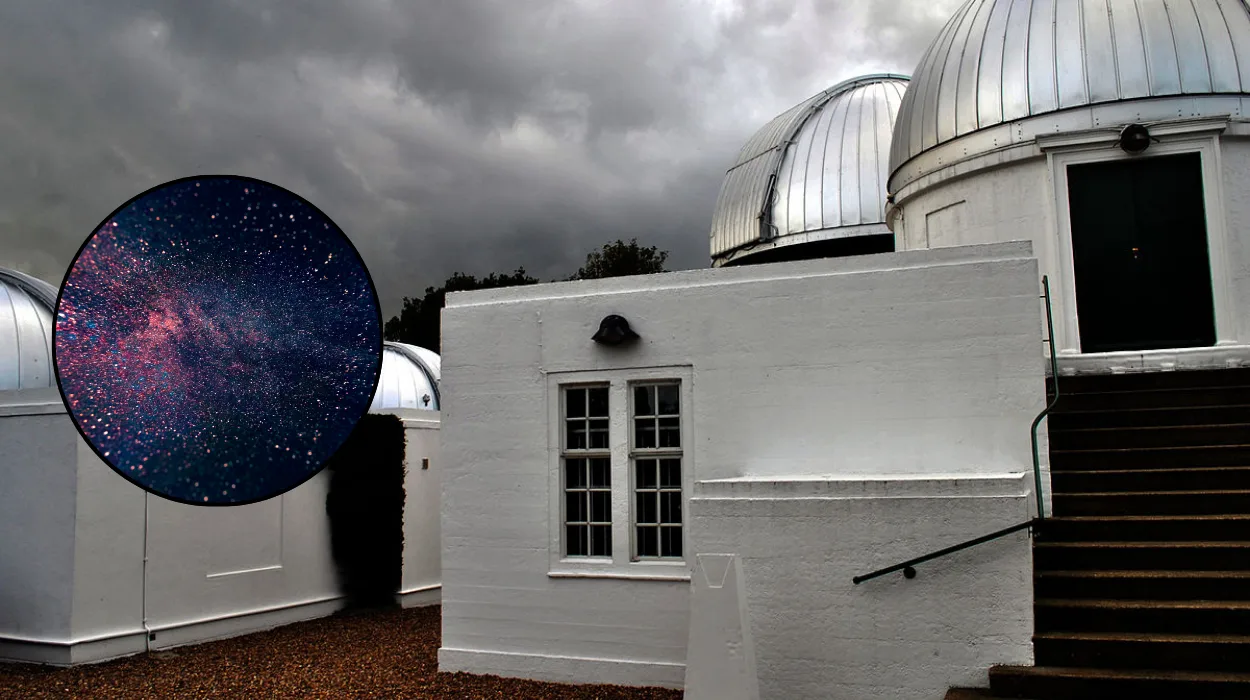
As reported by the University College London’s official site, UCL Observatory is one of the UK’s premier astronomical facilities dedicated primarily to student training and research. Located in Mill Hill, the facility boasts several important telescopes, including the Radcliffe 24/18-inch and Fry 8-inch refractors, two 14-inch Celestron robotic reflectors, and the recently commissioned 80cm Ritchey–Chrétien reflecting telescope, which is among the largest in the country. This makes the observatory a vital resource both for teaching practical astrophysical techniques to UCL undergraduates and for conducting research, such as observing transits of extrasolar planets.
- Key Points
- What is the significance of the UCL Observatory in North London?
- Who can attend the tours of the UCL Observatory?
- How does one book tickets and what is the cost?
- Where is the UCL Observatory located and how accessible is it?
- What is the recommended travel method to reach the observatory?
- What historical and research significance does the UCL Observatory hold?
- What can visitors expect during a tour?
Who can attend the tours of the UCL Observatory?
Tours of the UCL Observatory are generally open to members of specific astronomy groups, such as the Flamsteed Astronomy Society, which organizes guided visits and public talks. While these scheduled visits are primarily for society members, some events may allow wider public participation through ticket booking. As noted in a Flamsteed Astronomy Society event listing, tours typically last around two hours in the evening and provide guided access by both students and staff from the Department of Physics and Astronomy. These tours not only showcase the observatory’s rich history and current research projects but also offer visitors the rare opportunity to gain access to parts of the facility not usually open to the public. Weather permitting, participants can use the telescopes to observe astronomical objects in the night sky.
How does one book tickets and what is the cost?
Ticket prices for public tours are generally in the range of £8 to £10, depending on the number of visitors in each group. Organizers confirm the exact cost once bookings close. Interested individuals are encouraged to check their membership status if booking through affiliated societies or contact the event organizers directly. Booking information is typically communicated via email to society members, and those interested but not yet members are advised to join the society or contact the organisers for details. The tours have limited space, and booking in advance is essential to secure a place.
Where is the UCL Observatory located and how accessible is it?
The UCL Observatory is situated off the northbound carriageway of the A1 in Mill Hill, North London. It is not accessible by vehicle from the southbound carriageway, with pedestrians on that side required to use an under-road subway located just north of the observatory. Visitors are discouraged from arriving by car due to hazardous entry points and very limited parking on-site. Instead, free parking is available nearby at Daws Lane Car Park or at the Mill Hill Broadway railway station car park with pay-and-display options. Disabled visitors should contact the observatory in advance as the site is not wheelchair-friendly and includes steep stairways.
What is the recommended travel method to reach the observatory?
Public transport is the most convenient way to reach the UCL Observatory. The fastest route from central London involves taking the London Underground from Warren Street station to Kentish Town, then transferring to the Thameslink rail service northbound to Mill Hill Broadway station (Travelcard Zone 4). From there, the observatory is approximately a 10 to 15-minute walk. This route is preferred given the restricted vehicle access and limited parking at the site. Additional travel details, including maps and specific directions, are available on the UCL Observatory website.
What historical and research significance does the UCL Observatory hold?
Established about 90 years ago, the UCL Observatory remains a cornerstone of astronomical education in the UK. Its historical telescopes, including the Radcliffe twin refractor and the oldest Fry refracting telescope, complement the modern research-grade instruments. A notable event includes the discovery of the supernova SN2014J in January 2014 by astronomer Steve Fossey during a session with undergraduates, underscoring the observatory’s active role in impactful astronomical research. The observatory continuously supports student-led research projects, including studies of exoplanet transits and spectroscopic analysis.
What can visitors expect during a tour?
During tours, visitors are guided by both UCL students and academic staff who provide insights into the teaching and research activities conducted at the observatory. Attendees learn about the capabilities of the different telescopes, the significance of ongoing research projects, and the historical context of the site. In addition to indoor presentations, attendees often have the opportunity to observe celestial objects through the observatory’s advanced telescopes if weather conditions permit. This interactive experience helps bridge academic astronomy with public interest and outreach.