Key Points
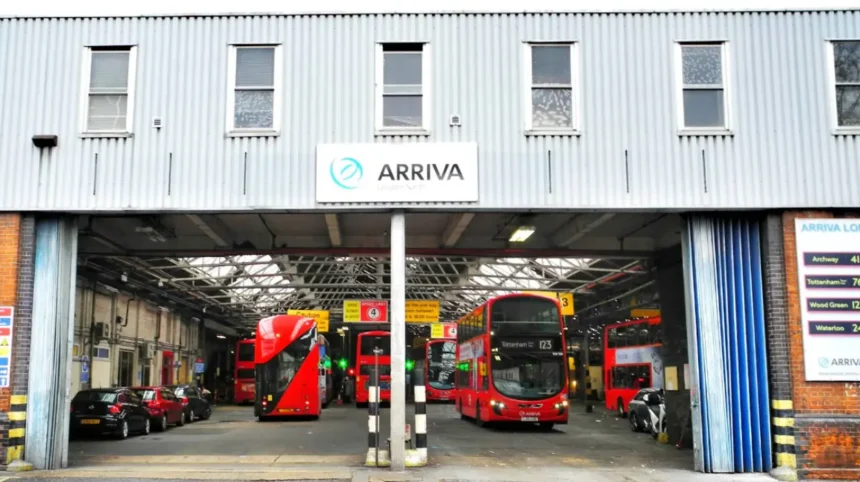
- Industrial Action: Drivers at Arriva London North have announced a series of two- and three-day strikes scheduled between 14 August and 20 October 2026.
- Core Grievance: The dispute centres on inadequate cab cooling systems; current air-cooling units reduce temperatures by only 2–3°C, leaving driver cabs exceeding 40°C during heatwaves.
- Health and Safety: Union representatives report that staff have suffered from heat exhaustion, heat stroke, and severe dehydration while operating vehicles.
- Strategic Timing: Strike dates are deliberately aligned with planned maintenance closures on the London Underground’s Piccadilly line to increase the impact on network connectivity.
- Broader Context: The issue extends beyond Arriva, with reports of similar hazardous working conditions emerging from National Express drivers in the East Midlands.
- Political Involvement: Mayor of London Sadiq Khan has previously supported guidance issued by the Unite union regarding a driver’s right to refuse work in unsafe conditions.
North London (North London News) August 7, 2026 — Arriva London North bus drivers have confirmed a rolling programme of strike action set to disrupt services across the capital for over two months, as a long-standing dispute over dangerous working temperatures in driver cabs reaches a critical impasse. The industrial action, coordinated by the Unite union, is scheduled to commence on 14 August and will continue intermittently through to 20 October, directly challenging the adequacy of current vehicle climate control infrastructure.
Why do bus drivers consider current cab conditions unsafe?
The fundamental issue behind the walkouts is the reliance on air-cooling systems rather than full air-conditioning units across the majority of the Arriva London North fleet. According to reports from the union, these cooling systems are functionally insufficient during extreme weather events, managing a reduction of only 2–3°C when ambient temperatures soar.
In recent heatwaves, internal temperatures within driver cabs have been recorded at 40°C and above. Medical experts and union officials argue that these conditions pose a direct threat to public safety. Operating a heavy service vehicle in such high temperatures significantly exacerbates driver fatigue and impairs cognitive function, thereby increasing the risk of accidents for passengers and pedestrians alike.
As noted by reports from the Morning Star, workers have documented specific instances of heat-related illness throughout the summer season. Drivers have presented symptoms consistent with heat exhaustion, heat stroke, and acute dehydration, prompting the union to formalise its demands for better equipment and safer working environments.
How will the strikes impact London’s transport network?
Unite has confirmed that the industrial action will consist of a series of two- and three-day walkouts. Recognising the necessity of leverage in transport disputes, the union has strategically aligned several of these dates with scheduled closures on the London Underground’s Piccadilly line.
By coordinating with the existing rail disruption in August and September, the union aims to maximise the impact of the bus strikes, ensuring that the absence of alternative transport options highlights the essential nature of the bus network. Commuters relying on these routes are being advised to check local service updates regularly, as significant cancellations are expected on the affected days.
What is the political response to the Arriva dispute?
The dispute has garnered attention at City Hall, where the debate over bus driver welfare has become a point of contention. The Mayor of London, Sadiq Khan, has previously endorsed a circular distributed by Unite to its members, which explicitly advised drivers of their legal right to refuse to operate vehicles if they believe the conditions are hazardous to their health.
Furthermore, a “Bill of Rights” motion concerning worker safety has been passed through the London Assembly. Supporters of the strike within the Assembly argue that members should now provide explicit backing for this specific dispute, viewing it as a test case for broader labour standards. Advocates for the workforce suggest that this action offers a vital opportunity to demonstrate that organised labour can force improvements in conditions—a significant concern as newer drivers are increasingly recruited on what the union describes as inferior terms and conditions compared to their long-serving counterparts.
Is this an isolated incident in the transport sector?
While the current industrial action is localised to Arriva London North, the underlying grievances regarding cab temperatures are being reported nationally. Similar reports of dangerous cab conditions have surfaced from workers at National Express depots in the East Midlands. This suggests a systemic failure in vehicle specification standards across various operators, potentially signalling a wider trend of industrial unrest as transport workers grapple with the reality of increasingly frequent and intense summer heatwaves.
Background: The evolution of bus cab climate standards
For decades, the standard for bus ventilation in the United Kingdom relied primarily on window extraction and basic airflow systems. However, as global climate patterns have shifted, the frequency of “extreme heat” days in London has risen, exposing a design gap in the city’s fleet.
Many vehicles currently in operation were commissioned under procurement contracts that did not mandate full air-conditioning for the driver’s cab, often citing energy efficiency and maintenance costs. Over the past five years, the Transport and General Workers’ Union (now part of Unite) has campaigned for a mandatory temperature threshold for cabs. While some newer hybrid and electric bus models have introduced integrated climate control, a significant portion of the legacy fleet remains equipped with the air-cooling systems currently under fire by the Arriva workforce. The current dispute represents the first time this issue has been leveraged as a primary justification for sustained, multi-month industrial action in the capital.
Prediction: How will this dispute affect London commuters?
For the average London commuter, this dispute signals a period of heightened uncertainty regarding transit reliability. If the strikes proceed as planned, passengers in North London should expect “service voids”—periods where no buses operate on a given route—throughout late summer and early autumn.
In the short term, this will likely lead to severe overcrowding on remaining bus routes and increased pressure on alternative transport modes, such as the Overground and regional rail services. Longer-term, if the Arriva drivers succeed in their demands, it will likely set a powerful legal and industrial precedent. Should the union win concessions regarding cab cooling, other major operators (such as Go-Ahead, Stagecoach, or Abellio) would face immediate pressure to retrofit their own fleets to meet the new “safety standard.” While this would improve worker welfare, it could also lead to temporary fare pressures or service reductions as operators look to offset the significant capital expenditure required to upgrade climate control systems across hundreds of vehicles.