Key Points
- Arsenal are close to completing three youth team signings.
- The club is signing 20-year-old right-back Habeeb Ogunneye and 19-year-old winger James Scanlon from Manchester United on free transfers.
- Manchester United included sell-on clauses in the deals for both Ogunneye and Scanlon.
- Blackburn Rovers forward Igor Tyjon completed a medical on Friday following a £1 million agreement that includes additional add-ons.
- Arsenal Under-21 head coach David Horseman previously worked as an academy coach at Manchester United.
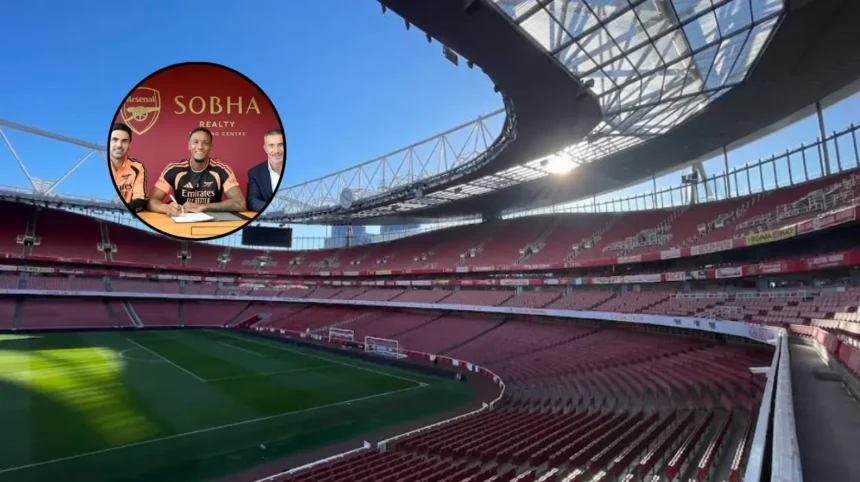
Arsenal (North London News) August 25, 2026 — Arsenal are moving swiftly in the closing stages of the summer transfer window to secure the signatures of three premier young talents. The Gunners are finalising arrangements to bring in two players from Manchester United alongside a promising teenage forward from Blackburn Rovers, underscoring an ambitious drive to bolster their youth developmental ranks.
As reported by Isaac Seelochan of Football.London, Arsenal are closing in on deal completions for Manchester United duo Habeeb Ogunneye and James Scanlon, as well as Blackburn Rovers striker Igor Tyjon. The strategic acquisitions highlight a concerted effort by the North London outfit to replenish their academy talent pool while taking advantage of changing dynamics at rival clubs.
As detailed in reports by The Athletic, 20-year-old right-back Habeeb Ogunneye has already undergone a medical ahead of his anticipated transition to North London. Concurrently, Arsenal are finalising terms for 19-year-old winger James Scanlon. Both players are expected to make the switch from Old Trafford on initial free transfers. However, Manchester United have safeguarded their long-term interests by negotiating significant sell-on clauses into both agreements, ensuring the Red Devils retain a percentage of any potential transfer fee should either player be sold in the future.
Complementing the incoming United pair, Arsenal have achieved a breakthrough in their prolonged pursuit of Blackburn Rovers starlet Igor Tyjon. The 18-year-old England Under-18 international had been the subject of multiple rejected approaches before a structure was agreed upon last week. As noted by Football.London, Tyjon underwent his medical on Friday, with Arsenal agreeing to a transfer fee structured at an initial £1 million, supplemented by performance-related bonuses and a sell-on clause.
The seamless integration of these new arrivals is expected to be aided by David Horseman, Arsenal’s newly appointed Under-21s head coach. Horseman previously spent four months working within Manchester United’s academy coaching structure, offering him direct familiarity with the attributes and developmental requirements of both Ogunneye and Scanlon.
Why Is Arsenal’s Youth Recruitment Strategy Pivoting Toward Rival Academies?
The recent influx of young talent into the Arsenal academy reflects a broader strategic initiative within Premier League football. Under head coach Mikel Arteta, the pathway from the academy to the senior setup at the Emirates Stadium has proven increasingly viable. High-profile debuts and regular opportunities awarded to academy graduates such as Ethan Nwaneri, Max Dowman, and Marli Salmon have demonstrated to top prospects across the country that North London offers a genuine route to top-flight football.
Furthermore, the implementation of the Elite Player Performance Plan (EPPP) has transformed how English academies operate. While the primary mandate remains the development of first-team talent, academies increasingly function as vital financial mechanisms through capital generation.
As reported by Isaac Seelochan of Football.London, homegrown player sales represent pure profit on club balance sheets, making youth development a key component in adhering to financial controls such as Profit and Sustainability Rules (PSR). Seelochan pointed out that Chelsea have set the industry standard in this domain, having generated over £400 million in transfer revenue solely from academy products in recent years. Arsenal’s aggressive pursuit of highly rated teenagers like Tyjon, Ogunneye, and Scanlon serves a dual purpose: strengthening their Premier League 2 setup in the short term while creating scalable, valuable assets for the future.
Explore more Arsenal-FC News
Arsenal Agree £3m Igor Tyjon Deal North London 2026
Arsenal Complete £51m Ezri Konsa Transfer From Aston Villa London 2026
Background Of The Particular Development After The News
This wave of academy transfers arrives against the backdrop of significant structural realignment within English youth football setups over recent seasons. Manchester United’s decision to sanction free transfer exits for highly rated prospects like Ogunneye and Scanlon—while retaining substantial sell-on percentages—mirrors a wider trend across elite Premier League academies. Clubs facing squad congestion at the Under-21 level are increasingly open to facilitating moves for players nearing the end of their developmental cycles, provided future financial returns are locked in via contractual clauses.
For Arsenal, restructuring the youth department has been an ongoing objective. The appointment of David Horseman to lead the Under-21 side signaled a deliberate attempt to modernize tactical instruction and streamline the transition from youth team football to senior level. Horseman’s prior background at Manchester United made him intimately aware of the talent pipeline at Old Trafford, accelerating North London’s intelligence-gathering on target prospects.
Concurrently, Arsenal’s persistent pursuit of Igor Tyjon highlights the growing competitive pressure surrounding domestic talent under 18 years of age. Blackburn Rovers’ initial resistance to multiple bids reflected the high value placed on EFL academy players by Championship clubs, who rely on transfer fees and sell-ons to sustain operating budgets. The eventual £1 million compromise illustrates the precise financial thresholds required to pry top-tier teenage talent away from Football League sides.
Prediction: How This Development Can Affect Premier League Academies And Rival Clubs
The completion of these three transfers is set to reverberate across several distinct sectors within English football:
1. Impact on Manchester United and Rival Big-Six Academies
Manchester United’s insertion of high-percentage sell-on clauses in the departures of Ogunneye and Scanlon creates a low-risk, high-reward paradigm. If either player achieves a successful breakthrough at Arsenal or is subsequently sold to another club, Manchester United will receive a direct financial windfall without incurring ongoing wage or development costs. However, allowing promising prospects to join a direct Big-Six rival carries competitive risks. If either player develops into a regular first-team contributor in North London, it may prompt fans and internal stakeholders to question Old Trafford’s player retention strategies.
2. Impact on EFL Clubs and Academy Valuations
Arsenal’s £1 million expenditure for Blackburn’s Igor Tyjon reinforces a growing benchmark for elite 18-year-old players outside the top flight. EFL clubs will take note of Blackburn’s leverage in holding out for a initial fee, bonuses, and a sell-on clause. This transaction establishes that Premier League giants must pay fair market value for early-stage EFL talent, encouraging Championship and League One academies to continue investing heavily in their youth infrastructures.
3. Impact on Young Players and Pathways
For young prospects navigating elite academies, this development signals that movement between top-tier clubs is becoming far more fluid. Rather than remaining in developmental squads where first-team pathways may be blocked, players are increasingly open to changing environments if a clear progression plan is offered. Arsenal’s willingness to integrate young players into senior training environments under Mikel Arteta makes North London an attractive destination, forcing competing academies across the country to improve their own internal promotion pathways to retain top talent.