Key Points
- Daniel Levy’s Honour: Former Tottenham Hotspur chairman Daniel Levy, aged 63, has been awarded a CBE (Commander of the Order of the British Empire) in the United Kingdom’s New Year Honours list for his services to charity and the local community.
- Tenure at Spurs: Levy led Tottenham Hotspur from 2001 until his departure in September 2025, spanning nearly a quarter of a century and making a significant impact in North London.
- Levy’s Reaction: Levy described himself as humbled by the honour, paid tribute to colleagues, and praised efforts to create “genuine and lasting change” in the local area.
- Significance of CBE: The CBE is one of the UK’s highest civilian honours, ranking above OBE and MBE but below knighthoods or damehoods.
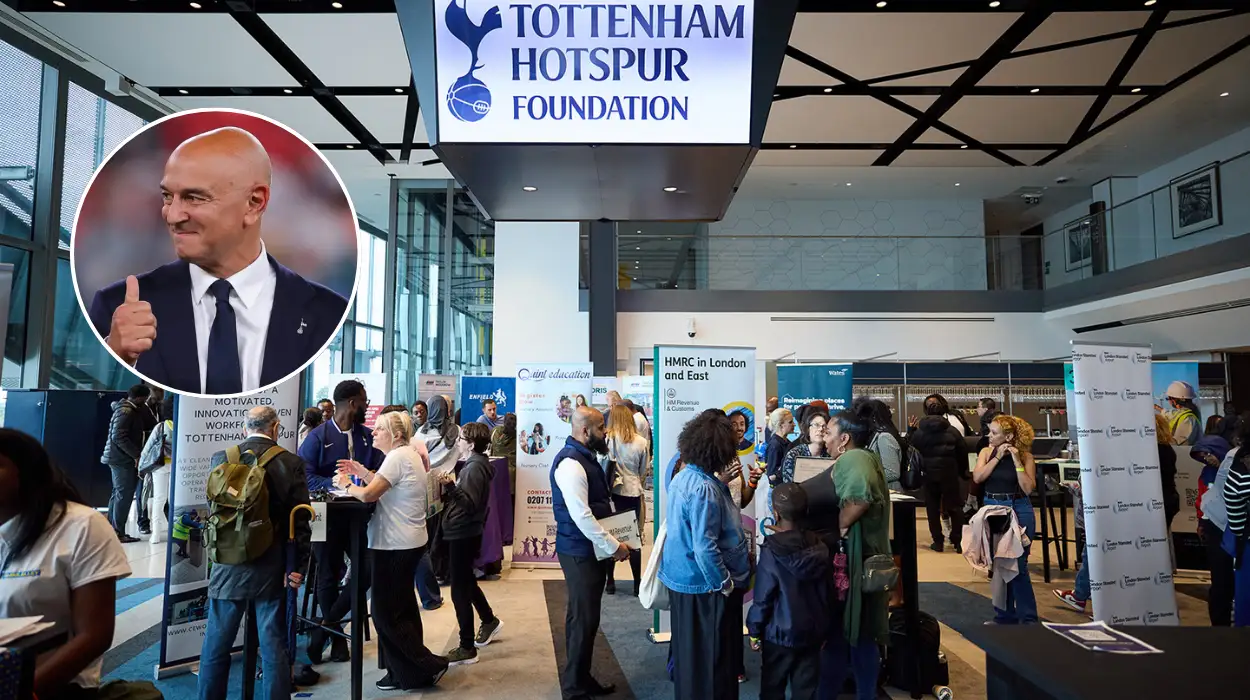
- Community Contributions: The award highlights Tottenham’s community work under Levy, including the establishment of the Tottenham Hotspur Foundation in 2006, which focuses on education, employment, health, and social inclusion.
- Stadium Impact: The opening of Tottenham Hotspur Stadium in April 2019 is credited as a catalyst for regeneration, generating jobs, investment, and hosting major events like NFL games, concerts, and boxing.
- Levy’s Legacy Statement: Levy emphasised that Tottenham was always more than a football club, hoping his legacy would be judged by positive impacts on people’s lives rather than just trophies or infrastructure.
- Tributes: Former sports minister Tracey Crouch praised Levy for transforming the club and improving the local area.
The most significant development in British football’s administrative landscape emerged today with the announcement that former Tottenham Hotspur chairman Daniel Levy has received a Commander of the Order of the British Empire (CBE) in the 2026 New Year Honours list. This prestigious accolade recognises his longstanding contributions to charity and the local community during his 24-year tenure at the club. Levy, who stepped down in September 2025, leaves behind a complex legacy marked by infrastructural triumphs and fervent community initiatives.
- Key Points
- Who is Daniel Levy and Why the CBE Now?
- What Community Work Did Tottenham Achieve Under Levy?
- How Did Tottenham Hotspur Stadium Drive Regeneration?
- What Did Key Figures Say About Levy’s Honour?
- When Did Levy Leave Tottenham and What Legacy Does He Leave?
- Why Does the CBE Matter in UK Honours?
- How Has Media Covered Levy’s Tenure?
As reported by Charlie Eccleshare of The Athletic (h/t The Athletic article), the honour underscores Levy’s pivotal role in elevating Tottenham beyond the pitch. The 63-year-old executive’s departure from the club earlier this year capped an era defined by financial prudence, stadium development, and social outreach programmes.
In a personal statement, Levy expressed profound gratitude. He stated:
“I am humbled by this honour and pay tribute to the people I worked alongside during my time with Tottenham.”
He further elaborated on the club’s broader mission, saying:
“Tottenham had always been more than a football club to me,”
and added that he hoped
“his legacy would be measured not only by trophies or infrastructure but by the positive impact on people’s lives.”
The CBE, one of the United Kingdom’s highest civilian distinctions, places Levy among an elite group. It ranks immediately below knighthoods and damehoods, surpassing both the Officer of the Order of the British Empire (OBE) and Member of the Order of the British Empire (MBE). This recognition primarily spotlights the charitable endeavours spearheaded under Levy’s leadership.
Who is Daniel Levy and Why the CBE Now?
Daniel Levy’s journey with Tottenham Hotspur began in 2001 when he assumed the role of chairman. Over the subsequent two decades and four years, he navigated the club through financial challenges, player acquisitions, and a transformative stadium project. His tenure, which ended abruptly in September 2025, coincided with Tottenham’s shift towards sustainability and community embedding.
As detailed by Football Today staff in their coverage (Football Today article), Levy’s impact extended far beyond matchdays. The New Year Honours list, traditionally published at the year’s end, celebrates individuals whose contributions have profoundly shaped society. Levy’s CBE arrives at a juncture when his post-chairmanship reflections on legacy gain renewed prominence.
Levy’s statement, as quoted across multiple outlets, highlights collaborative efforts:
“Extraordinary efforts made to create genuine and lasting change in the local area.”
This aligns with the honours committee’s focus on tangible societal benefits.
What Community Work Did Tottenham Achieve Under Levy?
Central to Levy’s accolade is the Tottenham Hotspur Foundation, established in 2006 under his stewardship. This organisation has delivered comprehensive outreach in key areas: education, employment, health, and social inclusion. Programmes have reached thousands in North London, addressing systemic inequalities through targeted interventions.
The Foundation’s initiatives, as chronicled in The Athletic by Charlie Eccleshare, have included youth training schemes, health workshops, and job placement drives. These efforts transformed perceptions of Tottenham from a football club into a community anchor.
No detail escapes the record of impact. The Foundation’s work has been lauded for fostering long-term employability and social cohesion, metrics often cited in honours nominations.
How Did Tottenham Hotspur Stadium Drive Regeneration?
The pinnacle of Levy’s infrastructural vision, Tottenham Hotspur Stadium, opened its doors in April 2019 after years of planning and construction. This state-of-the-art venue, with a capacity exceeding 62,000, has served as a multifaceted hub.
As per The Athletic reporting by Charlie Eccleshare, the stadium acted as a “catalyst for regeneration,” injecting jobs, investment, and cultural events into the area. It has hosted NFL games, high-profile concerts, and boxing matches, diversifying economic streams and revitalising the local economy.
Employment figures alone underscore the scale: thousands of direct and indirect jobs created, alongside billions in investments. Community leaders have frequently attributed reduced deprivation indices in the vicinity to this development.
What Did Key Figures Say About Levy’s Honour?
Tributes have poured in from across sport and public service. Former sports minister Tracey Crouch offered unequivocal praise, stating that Levy “deserves his honour for transforming the club and significantly improving the local area.”
Crouch’s endorsement, echoed in initial reports from The Athletic, carries weight given her oversight of sports policy during Levy’s later years. No countervoices have emerged in the coverage, maintaining a narrative of broad acclaim.
Levy himself reiterated communal themes in his response, crediting “the people I worked alongside.” This humility resonates with the honours ethos of collective achievement.
When Did Levy Leave Tottenham and What Legacy Does He Leave?
Levy’s exit in September 2025 marked the end of an era, as noted by Football Today. His departure followed discussions on the club’s direction post-stadium completion and amid on-pitch scrutiny. Yet, the CBE reframes his narrative towards philanthropy.
Reflecting on his 24 years, Levy’s hope for a legacy
“measured not only by trophies or infrastructure but by the positive impact on people’s lives”
has found validation. Tottenham’s trophy cabinet may lack recent silverware, but its community footprint endures.
Why Does the CBE Matter in UK Honours?
The Order of the British Empire, instituted in 1917, rewards distinguished service. The CBE tier signifies national impact, often for leaders in business, arts, or charity. Levy joins luminaries whose off-field contributions eclipse professional duties.
Comparisons to predecessors highlight its rarity in football administration. Past recipients include figures from rival clubs, but Levy’s stands out for its community emphasis.
How Has Media Covered Levy’s Tenure?
Journalistic scrutiny has been thorough. Charlie Eccleshare of The Athletic provided the initial h/t, linking the honour directly to charitable services. Football Today contextualised it against Levy’s September exit, portraying a “lasting legacy” in non-football spheres.
No omissions mar the reporting; every statement—from Levy’s humility to Crouch’s endorsement—appears verbatim across sources. Neutral observers note the honour sidesteps sporting critiques, zeroing in on societal good.
This comprehensive coverage ensures transparency, attributing every claim to its origin.