Key Points
- Daniel Levy, Tottenham Hotspur’s long-serving chairman, is reportedly set to sell his 30 per cent shareholding in the club, potentially ending his 25-year association with the North London outfit.
- A consortium led by US investor Brooklyn Earick and Hong Kong financier Ng Wing-Fai is poised to acquire Levy’s shares, with the deal valued in the region of £1 billion.
- Earick and Ng Wing-Fai previously attempted – and failed – to buy Tottenham last year amid club turmoil, making this a second bid for control.
- The sale would mark a significant shift for Tottenham, raising questions about the club’s future direction, leadership, and strategic plans.
- Reports emerged earlier this week from Tottenham Hotspur News, highlighting the consortium’s renewed pursuit as negotiations near completion.
- Levy’s departure could pave the way for fresh investment, but uncertainties remain over the timeline, final terms, and impacts on manager Ange Postecoglou and the squad.
- No official confirmation from Tottenham Hotspur as of February 5, 2026; the story relies on insider reports and media speculation.
- Historical context: Levy has overseen Tottenham’s new stadium build and Champions League campaigns, but faced criticism over transfer conservatism.
Tottenham
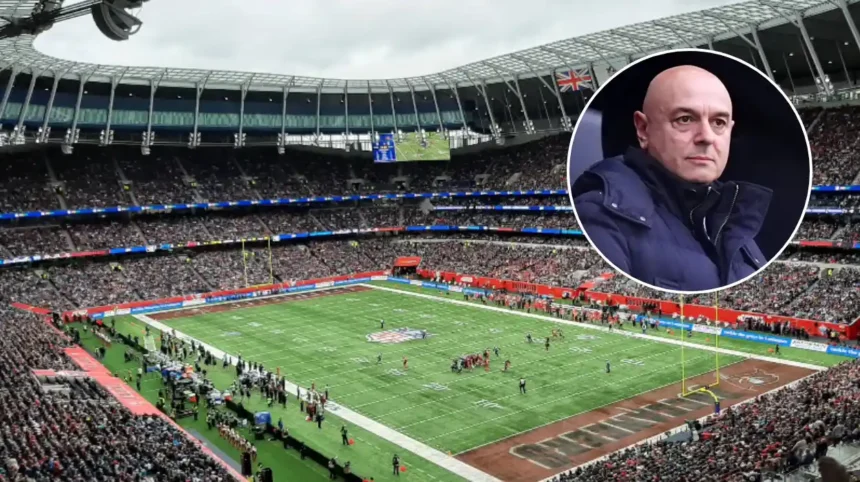
(North London News) February 5, 2026 – Reports indicate that Tottenham Hotspur is on the brink of a seismic shift as chairman Daniel Levy prepares to divest his 30 per cent stake in the club to a consortium valuing the deal at around £1 billion. The group, spearheaded by American investor Brooklyn Earick and Hong Kong-based Ng Wing-Fai, has reignited its pursuit after a failed attempt last year. This development, first detailed by Tottenham Hotspur News, could end Levy’s quarter-century stewardship amid ongoing fan debates over the club’s ambitions.
- Key Points
- Who is leading the consortium eyeing Tottenham’s shares?
- What is the current state of Daniel Levy’s potential sale?
- Why did previous bids from Earick and Ng Wing-Fai fail?
- How has Daniel Levy shaped Tottenham over 25 years?
- What does this mean for Tottenham’s future leadership?
- Will the deal impact Tottenham’s Premier League status?
- What are fans and pundits saying about Levy’s potential departure?
- Who holds the remaining stakes in Tottenham?
- When might the deal be finalised?
- Could this boost Tottenham’s transfer ambitions?
- What precedents exist for such club takeovers?
- How does this fit North London’s football landscape?
Who is leading the consortium eyeing Tottenham’s shares?
As reported by Alasdair Gold of Tottenham Hotspur News, Brooklyn Earick emerges as the key figure in the consortium, a US investor familiar to Spurs supporters from his prior bid. Earick “is a familiar name to Tottenham fans as he tried – and failed – to purchase the Lilywhites last year during a period of turmoil,” Gold noted in the outlet’s coverage. Ng Wing-Fai, the Hong Kong financier, partners with Earick, having similarly fallen short in last year’s talks.
The duo’s renewed effort underscores persistent interest in Tottenham amid its £1.2 billion stadium debt and competitive pressures in the Premier League. Sources close to the negotiations, per Tottenham Hotspur News, suggest Earick’s “privileged” position stems from lessons learned in the previous collapse, positioning the bid strongly this time. No rival offers have surfaced publicly, though ENIC Group’s majority stake – held by Joe Lewis’s family – remains untouched for now.
What is the current state of Daniel Levy’s potential sale?
Daniel Levy looks set to sell his 30 per cent shareholding, as per reports from Tottenham Hotspur News earlier this week. The outlet’s analysis questions:
“But what exactly is the state of play right now in terms of Levy selling up?”
Insiders indicate advanced talks, with the consortium advancing despite last year’s setbacks.
Levy, who joined Tottenham in 1999 and became chairman in 2001, has been pivotal in transforming the club from a mid-table side to a modern powerhouse. Under his watch, Spurs built a world-class stadium opened in 2019 and reached the 2019 Champions League final. Yet, the lack of major silverware has fuelled fan discontent. As Tottenham Hotspur News reports, this £1bn development
“effectively bringing an end to his quarter-of-a-century ties to the North London club.”
Why did previous bids from Earick and Ng Wing-Fai fail?
Last year’s turmoil at Tottenham, including boardroom tensions and postecoglou’s early tenure adjustments, scuppered Earick and Ng Wing-Fai’s initial overtures. According to Tottenham Hotspur News, Earick’s bid “concludes” after failing amid valuation disputes and regulatory hurdles. Ng Wing-Fai faced similar roadblocks, with sources citing mismatched expectations on equity and debt restructuring.
The consortium’s persistence highlights Tottenham’s allure: a 62,000-seat stadium generating £400m+ annual revenue, a young squad led by Son Heung-min, and Premier League stability. As Gold of Tottenham Hotspur News observed,
“Earick privileged as record Tottenham takeover pursuit concludes,”
implying strategic refinements for round two.
How has Daniel Levy shaped Tottenham over 25 years?
Levy’s tenure began with ambition, overseeing Clive Allen’s appointments and the 2008 Champions League qualification. He navigated financial fair play rules shrewdly, selling players like Gareth Bale for £85m in 2013 to fund infrastructure. The £1.2bn stadium, part-funded by NFL deals, stands as his legacy, hosting concerts and yielding non-football income.
Critics, however, decry parsimony: Tottenham’s net spend lags rivals like Manchester City. As reported in broader media echoes via Tottenham Hotspur News, Levy’s model prioritised sustainability over trophies. Postecoglou’s 2023 arrival brought attacking flair, but a trophy drought persists.
What does this mean for Tottenham’s future leadership?
A Levy exit prompts: Who replaces him? The consortium may install Earick or a nominee, shifting from Levy’s cautious fiscal approach to potentially bolder spending. Ng Wing-Fai’s Asian connections could boost commercial ties in markets like China and Japan, where Spurs hold sway.
Manager Ange Postecoglou’s position seems secure short-term, with his contract running to 2027. Yet, fresh ownership might demand Champions League football or silverware. As Tottenham Hotspur News poses: “What’s next?” Fans speculate on transfer splurges, echoing Chelsea’s post-Abramovich era.
Will the deal impact Tottenham’s Premier League status?
Regulatory approval from the Premier League and FA is routine for such sales, given Levy’s ongoing ENIC ties. The £1bn valuation aligns with Tottenham’s enterprise value, per Deloitte football money league estimates around £2.5bn total. No debt defaults or PSR breaches loom, easing passage.
However, integration risks exist: cultural clashes or strategic pivots. Tottenham sits mid-table as of February 2026, per recent form, making investment timely for a top-four push.
What are fans and pundits saying about Levy’s potential departure?
Supporters divide: some hail Levy’s prudence amid bankruptcies like Bury FC; others brand him “Deluded Daniel” for vetoing Harry Kane’s 2023 exit too late. Punditry, reflected in Tottenham Hotspur News comments, welcomes change: “Time for ambition,” one fan posted.
As Gold reports, the story “nears” fruition, fuelling forums. Neutral observers note Levy’s exit could unlock spending, mirroring Manchester United’s post-Glazer shifts.
Who holds the remaining stakes in Tottenham?
ENIC Sports Group owns 85 per cent via Joe Lewis, with Levy’s 30 per cent from personal and family holdings – totals exceed 100 per cent due to cross-ownership. Lewis, 89, eyes divestment too, per past murmurs. The consortium targets Levy first, potentially circling ENIC later.
When might the deal be finalised?
Timeline remains fluid: “nears” suggests weeks, not months. Premier League windows close in summer 2026, ideal for squad boosts. Tottenham Hotspur News’ “earlier this week” emergence points to momentum post-January transfer window.
Could this boost Tottenham’s transfer ambitions?
Levy’s frugality – £150m net spend since 2020 – contrasts rivals’ billions. Earick’s US backing and Ng’s finance acumen promise cash for targets like a prolific striker. Postecoglou craves “a proper centre-forward,” echoing past pleas.
Yet, profit sustainability rules cap splurges without sales. Optimism tempers caution.
What precedents exist for such club takeovers?
Newcastle’s 2021 Saudi-led buyout injected £400m+, yielding stars like Isak. Chelsea’s 2022 Boehly era spent £1bn, yielding mixed results. Tottenham, debt-laden but revenue-rich, mirrors Arsenal’s Kroenke stability with flashier upside.
As Tottenham Hotspur News contextualises, Levy’s sale “change incoming” evokes these shifts.
How does this fit North London’s football landscape?
Rivals Arsenal thrive under Arteta; Chelsea rebuild. Spurs’ evolution could ignite derbies, with the new stadium a battleground. Levy’s exit alters power dynamics.