Key Points
- Child poverty in Britain has significantly increased, impacting many working families.
- Rising living costs, including housing and essentials, are forcing families into hardship.
- Thea Jaffe, a mother in north London, exemplifies the struggle with limited housing and reliance on free items.
- Families are finding it difficult to provide basics for children, with many living in cramped, inadequate accommodation.
- The issue reveals broader economic challenges affecting working households across the UK.
What are the main factors driving child poverty in Britain?
As reported by various media outlets, the main drivers of soaring child poverty in Britain are the increasing costs of living combined with stagnant wages and inadequate housing support. Working families like Thea Jaffe’s are among those hit hardest. The rising prices of essentials such as food, energy, and rent have outpaced income growth, leaving many households struggling to make ends meet.
- Key Points
- What are the main factors driving child poverty in Britain?
- How does Thea Jaffe’s situation highlight the reality of child poverty?
- What is the impact of housing on working families’ struggles?
- What broader economic challenges contribute to the issue?
- How are policymakers and organisations responding to rising child poverty?
How does Thea Jaffe’s situation highlight the reality of child poverty?
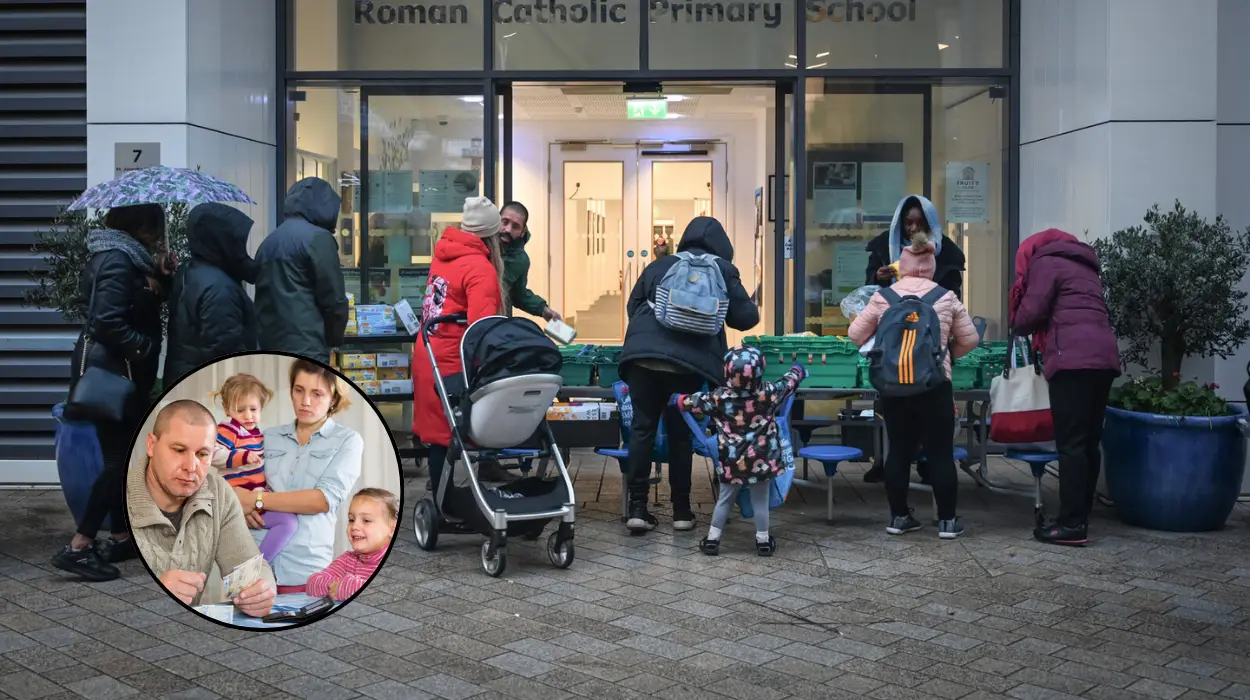
As observed by journalists covering this story, Thea Jaffe lives in a one-bedroom flat above a grocery store in north London. She pushes a stroller with two toddlers and keeps one child close by during the school run, representing many families who are coping in overcrowded living spaces. The flat is full of items left free on curbs, underscoring the desperation and resourcefulness required to survive. This personal account illustrates the daily challenges faced by families who are officially employed yet remain trapped in poverty.
What is the impact of housing on working families’ struggles?
Experts and journalists emphasize that inadequate housing is a critical factor. Many working families cannot afford suitable homes in areas with access to good schools and services. Thea’s experience of living in a cramped flat above a shop is not unique. Crowded and insecure housing conditions exacerbate the stress and financial strain on families, hindering children’s development and wellbeing.
What broader economic challenges contribute to the issue?
Economic analysis from multiple reports indicates that wage stagnation amid inflationary pressures has deepened inequality. Despite employment, many parents cannot provide basic needs adequately, contributing to a rise in child poverty numbers. The welfare system’s shortcomings also fail to buffer families from shocks like rising energy bills or unexpected expenses.
How are policymakers and organisations responding to rising child poverty?
Coverage from policy-focused sources notes growing calls for government intervention to address the affordability crisis. Suggested measures include boosting social housing supply, increasing child benefit payments, and improving access to affordable childcare. Charities and advocacy groups are campaigning for immediate support to prevent further harm to children’s futures.