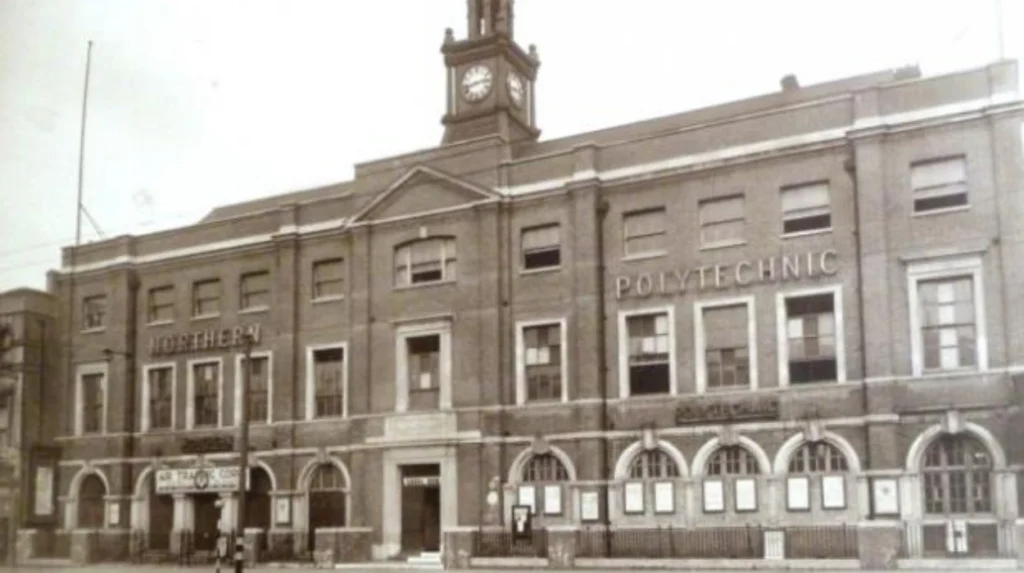
The North London Polytechnic, inaugurated in 1896, is a historic educational institution based in Holloway, North London. Originally established to provide affordable education to working-class men and women, it gradually expanded into a multi-campus Polytechnic before achieving university status in 1992, subsequently becoming the University of North London. It stands as a symbol of North London’s rich educational and social history with a lasting legacy.
Historical Background and Foundation
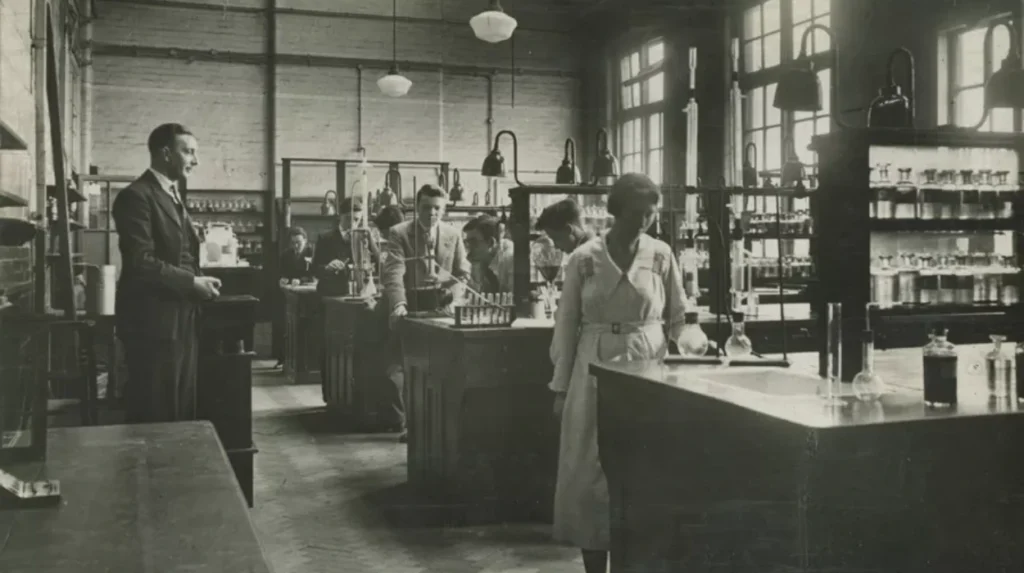
The Polytechnic was launched with the goal to improve industrial skills and general education for poorer communities, reflecting the Victorian-era philanthropic spirit. Early funding came from charitable organizations, and the curriculum was broad, combining technical, commercial, and scientific subjects to meet industrial and social demands. By the early 20th century, it had established recognized degree programs under the University of London, making it a vital part of the educational infrastructure.
Key Milestones in the Polytechnic’s History
- 1896: Northern Polytechnic Institute opens in Holloway.
- Early 1900s: Day and evening classes expand; enrollment doubles.
- 1911: Introduction of University of London-recognised five-year evening degrees.
- 1929: North Western Polytechnic opens in Kentish Town.
- 1971: Merger of Northern and North Western Polytechnics creates Polytechnic of North London.
- 1992: Polytechnic of North London attains university status, renamed University of North London.
- Present: Legacy continues through London Metropolitan University.
Locations and Facilities
The Polytechnic’s main site was in Holloway, with additional campuses in Kentish Town, Camden Town, Essex Road, and Highbury. These sites facilitated diverse academic offerings and community engagement activities. During its peak, the Polytechnic offered facilities ranging from technical workshops to arts studios, catering to an eclectic student body.
Academic and Social Contributions
The Polytechnic played a pioneering role in widening higher education participation, especially for non-traditional students and the working class. It provided technical training, social sciences, arts, and humanities education, alongside community programs. Its alumni include notable engineers, artists, and social activists, underscoring its contribution to social mobility and professional development in North London.
Current Influence and Recognition
The historical significance of the North London Polytechnic is preserved in today’s educational institutions that evolved from it, primarily London Metropolitan University. The Polytechnic’s ethos of accessible education, community involvement, and adaptive curricula continues to influence modern educational policy and local culture.