Key Points
- Camden Council has approved plans to demolish and redevelop three residential blocks affected by construction works of the paused HS2 terminal at Euston in north London.
- The three blocks were deemed “virtually uninhabitable” due to disruptions caused by the HS2 construction.
- This redevelopment is aimed at providing improved housing for residents who have suffered due to the construction impact.
- The HS2 terminal project at Euston is currently paused, with ongoing debates over its future.
- The decision by Camden Council reflects the significant local impact of HS2 infrastructure development delays.
What is the situation with Camden Council and the Euston HS2 terminal?
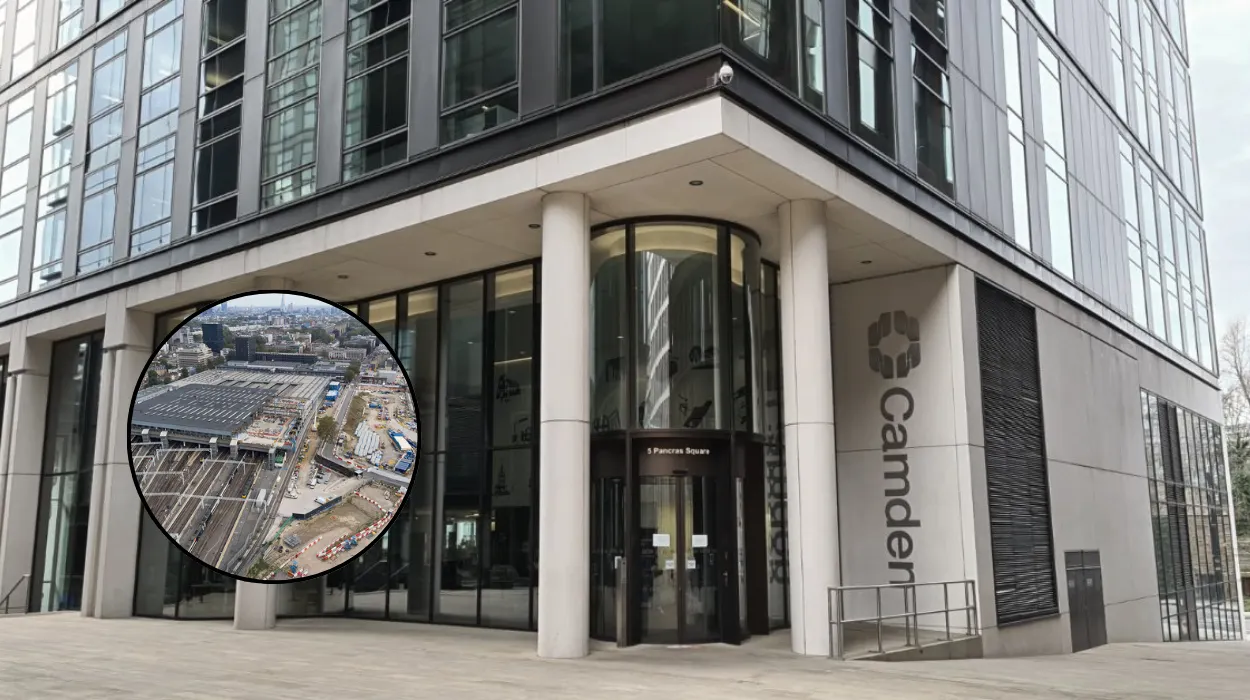
Camden Council has reached an agreement to demolish and rebuild three residential blocks in north London that have been rendered “virtually uninhabitable” by the disruption caused during the construction of the HS2 terminal at Euston. The construction works for the HS2 (High Speed 2) terminal, which is currently paused, have severely affected the living conditions of residents in these blocks. According to local government reports and covered by multiple news outlets, the council aims to redevelop the site to provide better housing and resolve the issues caused by the ongoing construction disturbances.
- Key Points
- What is the situation with Camden Council and the Euston HS2 terminal?
- Why were the blocks considered “virtually uninhabitable”?
- What is the current status of the HS2 Euston terminal project?
- Who are the stakeholders involved and what are their positions?
- What are the next steps following Camden Council’s decision?
Why were the blocks considered “virtually uninhabitable”?
As reported by Camden Council and local news sources, the three blocks have endured sustained disruptions such as noise, dust, and structural concerns linked to the preparatory construction work for the HS2 Euston terminal. These conditions made day-to-day living very difficult for residents, leading to the classification of the blocks as “virtually uninhabitable.” The council’s decision recognises the extent of the hardship experienced by residents, prompting the need for complete rebuilding rather than mere refurbishment.
What is the current status of the HS2 Euston terminal project?
The HS2 project, specifically the new Euston terminal, is currently paused amid political and financial reviews. This pause has contributed to uncertainty and prolonged disruption around the Euston area in Camden. The council’s redevelopment plan is a response to the local consequences of this halt, aiming to stabilise the housing situation while awaiting clarity on the future of the HS2 terminal. The construction pause has intensified calls from locals and officials for mitigation measures such as rebuilding the affected estates to restore quality of life.
Who are the stakeholders involved and what are their positions?
Camden Council is the primary authority managing the redevelopment project. Resident groups and housing advocates have publicly supported the council’s move, highlighting the acute impact of the construction on the community’s wellbeing. On the other side, HS2 Ltd and government officials are facing scrutiny over the project’s delays and the resulting local disruptions. Media coverage has noted calls from various quarters for accelerated resolution of HS2’s fate to minimise further damage to local housing and communities.
What are the next steps following Camden Council’s decision?
The demolition and rebuilding plans for the affected estate blocks are set to be implemented in the near future, with Camden Council overseeing the project execution. This redevelopment is expected to provide modernised, improved housing for displaced residents and those living under currently unacceptable conditions. The move also underscores the wider challenges faced by urban infrastructure projects amid political decisions that cause delays and halted construction.
The full implications of the paused HS2 terminal on the Euston area and Camden’s housing market continue to unfold, with council actions exemplifying efforts to mitigate harm amid broad uncertainty.