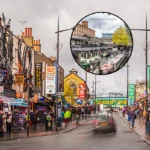
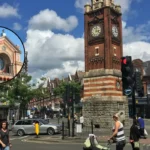
Islington stands as a vibrant North London borough blending rich history, cultural landmarks, and modern appeal. Once rural estates owned by London’s bishops, it evolved into a bustling urban hub through strategic road developments and 19th-century growth.
Historical Roots
Islington’s origins trace to medieval times when lands belonged mainly to religious institutions like the Bishop of London and St Paul’s Cathedral. Substantial moated manor houses dotted the landscape at places like Canonbury and Highbury, fostering a rural charm that attracted the wealthy. The first St Mary’s Church appeared in the 12th century, later rebuilt in the 15th, highlighting early settlement amid estates controlled by ecclesiastical figures.
Urbanization accelerated along the Great North Road, now encompassing Islington High Street, Upper Street, Holloway Road, and Archway Road. In 1716, the Islington Turnpike Trust took charge, expanding roads like Caledonian Road and Euston Road to support growing residential areas. Horse-drawn omnibuses from 1830 spurred rapid population booms, drawing clerks, artisans, and professionals to fashionable squares and sturdy homes.
By the mid-19th century, clearances for railways displaced the poor, shifting demographics while Irish immigrants settled in areas like Angel and Upper Holloway. They worked in construction, domestic service, and as navvies building enduring infrastructure such as canals and roads. This era marked Islington’s transition from village hamlets to a key part of Middlesex County, governed later by the Metropolitan Board of Works from 1856.
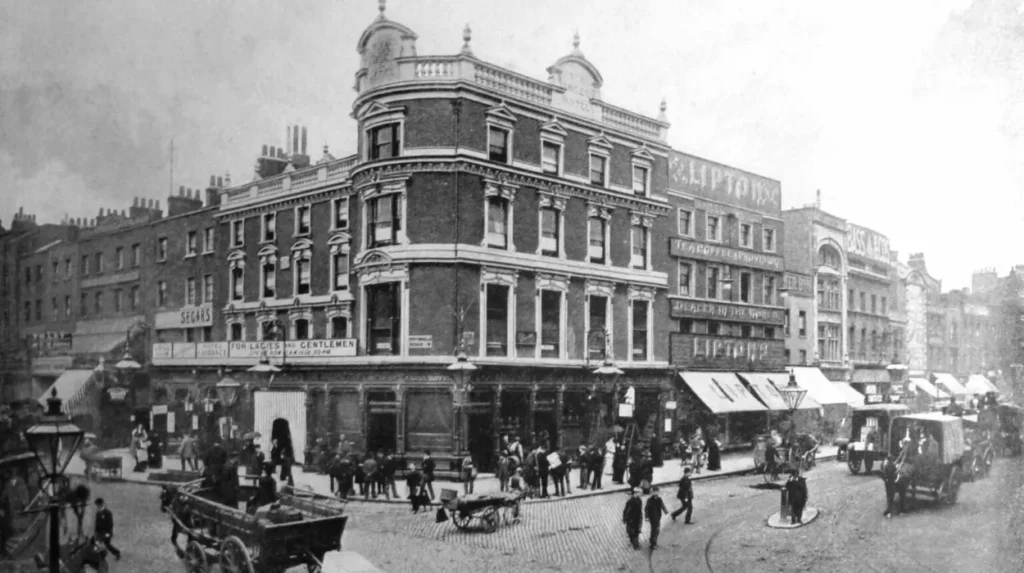
Key Landmarks and Architecture
Islington boasts architectural gems reflecting its layered past. Canonbury’s medieval moated manor, once a monastic estate, now features preserved towers and gardens open to visitors. Highbury’s historic houses and squares exemplify Georgian elegance, drawing history enthusiasts year-round.
The Angel, Islington’s iconic junction, symbolizes transport evolution from turnpike inns to modern hubs. Upper Street hosts elegant terraces and markets, while Caledonian Road showcases Victorian warehouses repurposed into trendy spaces. These sites offer self-guided walks revealing Islington’s manor-era foundations and industrial rise.
Parks like Highbury Fields provide green respites amid urban density, with ancient trees and playing fields echoing rural origins. St Mary’s Church remnants underscore 12th-century roots, blending seamlessly with contemporary life.
Cultural Evolution
Islington’s culture thrives on its artistic legacy. The Almeida Theatre, in a former coffee warehouse, stages world-class plays, cementing the area’s bohemian reputation. Union Chapel, a stunning Gothic Revival venue, hosts concerts alongside its active congregation, exemplifying adaptive reuse.
Literary ties abound, with figures like George Orwell residing here during formative years. Chapels and assembly rooms from the 18th century sheltered dissenters and hosted early public meetings, fostering intellectual hubs. Today, street art and galleries along Camden Passage continue this creative pulse.
Festivals celebrate heritage, from food markets at Chapel Market to literary events, ensuring cultural vibrancy for locals and visitors. Islington’s sanctuary history welcomes diverse communities, mirroring its past openness to fugitives and immigrants.
Modern Demographics and Economy
Formed in 1965 by merging Islington and Finsbury metropolitan boroughs under the London Government Act, the area now pulses with young professionals and families. Proximity to the City draws commuters via efficient transport links like the Angel Tube station.
Economy blends tech startups in repurposed warehouses with traditional markets offering fresh produce daily. Essex Road and Upper Street buzz with independent shops, cafes, and pubs, supporting local entrepreneurship. Residential appeal lies in period conversions balancing affordability and prestige.
Diversity shines through multicultural eateries and community events, with Irish influences lingering from 19th-century waves. Government initiatives promote sustainability, enhancing parks and cycling paths for everyday livability.
Lifestyle and Attractions
Living in Islington means accessing premier green spaces like New River Walk, tracing a 17th-century aqueduct still supplying water historically. Markets such as Camden Passage Antique Market draw treasure hunters Wednesdays and Saturdays, offering timeless browsing.
Dining spans gastropubs in former coaching inns to global cuisines reflecting demographic mixes. Sports fans enjoy Emirates Stadium in nearby Highbury, a modern icon hosting Arsenal matches. Evening strolls along the Regent’s Canal reveal waterside pubs and wildlife.
Education thrives with esteemed schools and libraries preserving archives on local history. Cycling routes connect to central London, promoting active lifestyles amid Victorian terraces.

Why Islington Endures
Islington captivates with its seamless fusion of eras—from medieval manors to vibrant streets—making it a perennial North London gem. Its roads, built for endurance, now carry daily life, while cultural venues ensure ongoing relevance. For residents and explorers, it offers authentic London essence without the central frenzy.
Explore Upper Street’s boutiques or relax in Highbury Fields; each corner whispers stories of transformation. This borough’s timeless allure guarantees lasting appeal for generations.